Blog

  • VO2 Max: The Single Best Predictor of How Long You Will Live and How to Improve It

    If you could measure a single number that predicted your risk of dying from any cause better than blood pressure, cholesterol, blood glucose, smoking status, or any other known risk factor — would you want to know it? That number exists. It’s called VO2 max, and the research supporting it as the most powerful longevity biomarker ever identified is now overwhelming.

    A landmark 2018 study published in JAMA Network Open followed over 120,000 patients and found that low cardiorespiratory fitness — measured by VO2 max — was associated with a higher risk of all-cause mortality than any other risk factor examined, including hypertension, diabetes, smoking, and coronary artery disease. Crucially, there was no upper limit to the benefit: each incremental increase in fitness produced a proportional reduction in mortality risk, with the highest fitness group enjoying a 5-fold lower risk of death than the lowest fitness group.

    VO2 max has gone from an obscure physiological measurement used by exercise scientists and elite athletes to a central pillar of longevity medicine — championed by physicians like Peter Attia, who calls it “the most powerful longevity lever that exists.” Understanding what it is, why it matters, and how to systematically improve it may be the highest-leverage health investment most people can make.

    Person running outdoors with intensity for cardiovascular fitness
    Cardiorespiratory fitness — measured by VO2 max — is the single strongest predictor of all-cause mortality ever identified

    What VO2 Max Actually Measures

    VO2 max is the maximum rate at which your body can consume oxygen during intense exercise, typically expressed in milliliters of oxygen per kilogram of body weight per minute (mL/kg/min). It is the gold-standard measure of cardiorespiratory fitness — your aerobic capacity — and reflects the integrated function of your lungs (oxygen uptake), heart (cardiac output), blood (oxygen-carrying capacity), and muscles (oxygen extraction and utilization).

    A sedentary middle-aged man might have a VO2 max of 30-35 mL/kg/min. A recreational runner might be at 45-55. An elite endurance athlete might reach 70-85. The Norwegian cross-country skier Oskar Svendsen holds the highest recorded VO2 max at 97.5 mL/kg/min — essentially double the sedentary average. Elite women typically have values 10-15% lower than elite men due to differences in hemoglobin concentration and body fat percentage.

    The Physiology Behind the Number

    VO2 max is determined by the Fick equation: VO2 max = cardiac output × arteriovenous oxygen difference. In plain terms: how much blood your heart pumps per minute × how much oxygen your muscles extract from that blood. Elite athletes achieve their extraordinary VO2 max values through exceptional cardiac output — primarily driven by a massively enlarged stroke volume (the heart’s “athlete’s heart” adaptation) — combined with superior muscle mitochondrial density and oxidative enzyme capacity.

    This reveals why VO2 max is such a comprehensive health metric: it requires every system in the chain to be functioning well. A weak heart limits cardiac output. Anemia reduces oxygen-carrying capacity. Mitochondrial dysfunction (central to aging and insulin resistance) limits muscle oxygen extraction. VO2 max is thus simultaneously a measure of cardiovascular function, metabolic efficiency, and mitochondrial health — three of the most critical determinants of lifespan and healthspan.

    Why VO2 Max Predicts Longevity So Powerfully

    The predictive power of VO2 max for mortality isn’t explained by a single mechanism — it’s the convergence of many:

    Cardiovascular Reserve and Resilience

    High VO2 max means your heart can pump a large volume of blood per beat even at rest, keeping resting heart rate low (often below 50 bpm in highly fit individuals). This “cardiac reserve” means that daily stressors — climbing stairs, carrying groceries, fighting illness, undergoing surgery — represent a much smaller fraction of your maximum capacity. The same stressor that taxes a deconditioned heart to 90% of capacity might only reach 40% in a fit individual. This buffer is directly protective against cardiac events and life-threatening physiological crises.

    Mitochondrial Density and Metabolic Health

    The training adaptations that increase VO2 max — particularly zone 2 and high-intensity interval training — dramatically increase skeletal muscle mitochondrial density and efficiency. More mitochondria per muscle cell means greater capacity to oxidize fat and glucose aerobically, which directly improves insulin sensitivity, reduces metabolic waste products, and slows the mitochondrial decline that underlies aging. Mitochondrial dysfunction is increasingly understood as a root cause of metabolic disease, cognitive decline, and cellular aging — making the mitochondrial improvements from aerobic training a profound longevity intervention.

    Anti-Inflammatory Effects

    Aerobic exercise is one of the most potent anti-inflammatory interventions known. It reduces circulating IL-6, TNF-α, and CRP — the same inflammatory markers that drive chronic low-grade inflammation at the root of cardiovascular disease, cancer, neurodegeneration, and metabolic syndrome. Skeletal muscle itself, when trained, functions as an endocrine organ — releasing myokines (including irisin and IL-15) that have systemic anti-inflammatory and neuroprotective effects.

    Brain Health and Cognitive Protection

    Aerobic fitness is the most robustly established intervention for brain health in the scientific literature. High VO2 max is associated with larger hippocampal volume, better executive function, faster processing speed, and dramatically reduced risk of dementia. The mechanisms include: increased cerebral blood flow, elevated BDNF (brain-derived neurotrophic factor) which stimulates neurogenesis and synaptic plasticity, reduced neuroinflammation, and improved sleep quality which enables glymphatic brain clearance. A 2020 study in the British Journal of Sports Medicine found that every 3.5 mL/kg/min increase in VO2 max was associated with an 11% reduction in dementia risk.

    The Functional Independence Threshold

    Peter Attia and other longevity physicians emphasize a critical practical dimension: VO2 max declines approximately 10% per decade after age 30 in sedentary individuals, accelerating to 15% per decade after 70. If you enter old age with a marginal VO2 max, this decline will carry you below the threshold for functional independence — unable to climb stairs, carry groceries, or rise from a chair without assistance. A VO2 max below approximately 18 mL/kg/min in men and 15 in women is associated with inability to perform basic activities of daily living. Starting from a high base and training to slow the decline is the key strategic insight.

    Person cycling on road bike for zone 2 cardiovascular training
    Zone 2 training — steady-state aerobic exercise where you can hold a conversation — is the foundation of VO2 max development

    How to Measure Your VO2 Max

    The gold standard is a maximal exercise test in a lab (CPET — cardiopulmonary exercise test), where you exercise to exhaustion while breathing into a metabolic analyzer. This gives precise values but requires specialized equipment and medical supervision.

    Practical alternatives include:

    Consumer wearables: Apple Watch, Garmin, Polar, and Whoop all estimate VO2 max using heart rate data during runs or cycling. These estimates have been validated against lab measurements with reasonable accuracy (typically within 5-10%) and are useful for tracking trends over time.

    Cooper 12-minute run test: Run as far as possible in 12 minutes on a flat surface. VO2 max ≈ (distance in meters − 504.9) / 44.73. This is a well-validated field test requiring only a track and a timer.

    Reference ranges by age and sex are published by the American College of Sports Medicine. For men aged 40-49, “good” is above 40 mL/kg/min and “excellent” is above 48. “Superior” fitness — associated with the lowest mortality risk — is above approximately 55 for this age group. For women in the same age range, “good” starts at 34 and “excellent” at 41.

    The Training Science: How to Improve VO2 Max

    VO2 max responds robustly to training. Untrained individuals can improve 15-25% with consistent aerobic training over 6-12 months. Even well-trained individuals can achieve meaningful improvements with targeted protocols. The optimal training approach combines two distinct stimulus types:

    Zone 2 Training: The Mitochondrial Foundation

    Zone 2 is moderate-intensity steady-state aerobic exercise — the pace at which you can hold a full conversation but feel definite effort. Physiologically, this is the highest intensity at which fat remains the primary fuel source and lactate production is balanced by clearance (just below the first lactate threshold). At this intensity, you’re maximally stimulating mitochondrial biogenesis — the creation of new mitochondria and their enzymes — while also developing your lactate shuttle capacity and training slow-twitch type 1 muscle fibers.

    Elite endurance athletes spend 80% of their training in zone 2. Most recreational athletes dramatically under-invest here, spending too much time in “moderate hard” zone 3 intensity — hard enough to feel like a workout, but not hard enough to maximize either mitochondrial adaptations (zone 2) or VO2 max stimulus (zone 4-5). The polarized training model that dominates elite endurance sports — 80% easy, 20% hard — is increasingly supported by research for both performance and health. Target 3-5 hours per week of zone 2 as a minimum for meaningful adaptations.

    High-Intensity Interval Training (HIIT): The VO2 Max Stimulus

    VO2 max specifically increases when you stress the system at or near VO2 max intensity. This requires working at approximately 90-100% of maximum heart rate. The most evidence-backed protocols for VO2 max improvement:

    Norwegian 4×4 intervals: 4 intervals of 4 minutes at 90-95% of max heart rate, with 3-minute active recovery between efforts. This protocol, developed by researchers at NTNU in Norway, has demonstrated among the largest VO2 max gains ever measured in human trials — an average of 10% improvement in 8 weeks in one landmark study. It’s been tested in healthy adults, heart failure patients, and metabolic syndrome patients with consistently positive results.

    Tabata protocol: 8 rounds of 20 seconds maximal effort / 10 seconds rest (4 minutes total). The original Tabata study showed both aerobic and anaerobic improvements, though it requires truly maximal effort to achieve the claimed benefits and is often performed at insufficient intensity.

    “30-30” repeats: 30 seconds at 100% effort, 30 seconds easy recovery, repeated 10-20 times. Effective and time-efficient, used extensively in running programs.

    One to two HIIT sessions per week is the evidence-based target for most people — more than this doesn’t improve results and significantly increases injury risk and recovery burden. Combining this with adequate protein intake and quality sleep is essential for adaptation.

    Strength Training’s Role

    While resistance training doesn’t directly increase VO2 max the way aerobic training does, it supports the overall system. Greater muscle mass provides more metabolic tissue for oxygen utilization. Leg strength improvements reduce the relative effort of weight-bearing aerobic exercise. And the hormonal and mitochondrial benefits of resistance training complement aerobic adaptations. The optimal longevity training program integrates both — roughly 3-4 hours of zone 2, 1-2 HIIT sessions, and 2-3 strength sessions per week.

    Person doing high intensity interval training sprints on a track
    High-intensity interval training at 90-95% of max heart rate provides the specific stimulus needed to drive VO2 max improvements

    VO2 Max, Aging, and the Decline Curve

    The age-related decline in VO2 max is one of the most studied phenomena in exercise physiology. Sedentary individuals lose approximately 1% per year after age 25, accelerating after 50. Trained individuals decline more slowly — approximately 0.5-0.7% per year — and preserve higher absolute values even in older age. The implications are dramatic: a 70-year-old who has trained consistently throughout life may have a higher VO2 max than a sedentary 40-year-old.

    The mechanisms of age-related VO2 max decline include: reduced maximum heart rate (approximately 1 beat per minute per year), decreased stroke volume (related to cardiac stiffening), reduced skeletal muscle mass and mitochondrial density, and declining hemoglobin levels. Exercise training can partially counteract each of these — high-intensity training preserves maximum heart rate better than low-intensity work; zone 2 training preserves mitochondrial density; resistance training combats muscle loss.

    Starting late still works. A 2019 study in the European Heart Journal found that people who began regular vigorous exercise in middle age achieved similar cardiovascular structural adaptations (including increased left ventricular compliance) to those who had trained their whole lives — though the window for certain cardiac adaptations may narrow with age.

    VO2 Max in Context: The Full Longevity Picture

    VO2 max doesn’t operate in isolation. The same lifestyle factors that elevate VO2 max also improve every other health metric we’ve covered in this series:

    Aerobic training dramatically improves insulin sensitivity through GLUT4 upregulation and improved mitochondrial fat oxidation. It reduces visceral fat more effectively than any other intervention. It improves sleep quality and duration, directly downregulating the stress response. It positively modulates the gut microbiome, increasing microbial diversity and butyrate-producing bacteria. And it supports testosterone and other anabolic hormones while reducing the chronic cortisol elevation that drives metabolic damage.

    This convergence — where every major health variable benefits from the same intervention — makes VO2 max improvement perhaps the single most “efficient” longevity investment. You’re not trading one benefit for another; you’re improving nearly all simultaneously.

    Practical Starting Points by Fitness Level

    Complete beginners: Start with 30 minutes of brisk walking or easy cycling 5 days per week. Any aerobic stimulus will improve VO2 max from a deconditioned baseline. After 4-6 weeks, introduce one session per week of 20-30 minute continuous jogging (or walk/run intervals). Measurable improvements typically appear within 4-8 weeks.

    Moderately active individuals: Structure training using the 80/20 model. Establish 3-4 hours of zone 2 per week, then add one 4×4 HIIT session. Track your resting heart rate and wearable VO2 max estimate to monitor progress. Expect 5-10% improvement over 3-6 months with consistency.

    Already fit individuals: Add periodized HIIT blocks — 4-6 weeks of 2 HIIT sessions per week, followed by a de-load period. Consider more precise zone 2 calibration using a lactate meter or a formal CPET to identify your actual thresholds. The marginal returns from further improvement at high fitness levels are still meaningful for longevity — moving from “excellent” to “superior” fitness is associated with continued mortality risk reduction.

    The Number That Changes Everything

    The evidence for VO2 max as a longevity biomarker is not preliminary or controversial. It is among the most replicated findings in exercise science, backed by studies involving hundreds of thousands of participants across decades. The conclusion is clear: your cardiorespiratory fitness is the most modifiable determinant of how long you will live and how well you will function while doing so.

    The good news: unlike genetics, age, or many other longevity determinants, VO2 max is highly trainable at any age. The training stimulus is well-understood, the protocols are established, and the returns are measurable within weeks. In the context of everything we know about longevity, aerobic fitness improvement is not one strategy among many — it is the strategy that most broadly amplifies all others.

    Measure it. Track it. Train it. The data are unambiguous: the minutes you invest raising your VO2 max are among the highest-return minutes you will ever spend.

  • Your Gut Microbiome Is Running Your Health: The Science of the Trillions Living Inside You

    You are not a single organism. You are an ecosystem. Inside your gut alone live approximately 38 trillion microorganisms — bacteria, fungi, viruses, and archaea — collectively harboring 150 times more genes than the human genome. This community, called the gut microbiome, is now understood to be one of the most powerful determinants of human health, influencing everything from your immune system and metabolism to your brain chemistry and risk of virtually every major chronic disease.

    The science here has exploded in the past decade. Since the Human Microbiome Project (2007–2016) mapped the microbial communities of the human body in unprecedented detail, research has poured in at a pace that’s overwhelmed both scientists and clinicians. What we’ve learned is simultaneously astonishing and humbling: the microbes in your gut are not passengers. They are active co-pilots of your biology.

    This article covers the current science — how the microbiome works, what damages it, what happens when it breaks down, and the evidence-based strategies to cultivate a healthier microbial community.

    Colorful array of fermented foods and vegetables rich in probiotics
    Fermented foods like yogurt, kefir, sauerkraut, and kimchi are among the most potent microbiome modulators

    What the Microbiome Actually Is

    The term “microbiome” technically refers to the collective genomes of all the microorganisms in a given environment. “Microbiota” refers to the organisms themselves. In practice, both terms are used interchangeably to describe the community of microbes that colonize your gut — primarily your large intestine (colon), where bacterial density reaches 10¹¹ to 10¹² organisms per milliliter of content. For perspective, that’s more bacteria per teaspoon than there are stars in the Milky Way.

    The dominant bacterial phyla in healthy human guts are Firmicutes and Bacteroidetes, which typically together make up 70-90% of the microbiota, along with Actinobacteria, Proteobacteria, and Verrucomicrobia. But what matters more than any individual species is the overall diversity, stability, and functional capacity of the ecosystem.

    No two people share the same microbiome — it’s as individual as a fingerprint, shaped by genetics, birth mode, early feeding, geographic location, diet, medications, stress, and dozens of other factors accumulated over a lifetime. This individuality is one reason personalized nutrition research is challenging: foods that promote health in one person’s microbiome may have different effects in another’s.

    The Microbiome’s Core Functions

    Your gut microbiota performs functions your own cells simply cannot. The most important include:

    Fermenting dietary fiber into short-chain fatty acids (SCFAs): When you eat fiber, your own digestive enzymes can’t break it down. Your gut bacteria can. The primary products are butyrate, propionate, and acetate — SCFAs that serve as the primary energy source for colonocytes (cells lining your colon), regulate gut barrier integrity, modulate immune function, reduce systemic inflammation, and even cross the blood-brain barrier to influence brain function. Butyrate in particular has robust anti-cancer properties in the colon and is a potent histone deacetylase (HDAC) inhibitor — modulating gene expression in ways that promote cellular health.

    Training and regulating the immune system: Approximately 70% of your immune system is housed in the gut-associated lymphoid tissue (GALT). The microbiota is in constant dialogue with this immune tissue — educating immune cells on what is self vs. foreign, calibrating the inflammatory response, and preventing the immune system from attacking harmless commensal bacteria or food proteins. Disrupted early-life microbiome colonization is now strongly implicated in the epidemic of autoimmune disease, allergies, and asthma.

    Producing vitamins and neurotransmitters: Gut bacteria synthesize significant quantities of vitamin K2, several B vitamins (B12, folate, riboflavin), and are responsible for producing 90-95% of the body’s serotonin. They also produce dopamine precursors, GABA, and dozens of other neuroactive compounds that travel through the vagus nerve or bloodstream to the brain.

    Maintaining the intestinal barrier: The gut epithelium — a single-cell layer separating the microbial world from your bloodstream — is only about one cell thick. Your microbiota maintains the tight junctions between these cells, the mucus layer that protects them, and the antimicrobial peptides that keep pathogens from breaching the barrier. When this maintenance fails, “leaky gut” (intestinal permeability) develops, allowing bacterial products like lipopolysaccharide (LPS) to enter the bloodstream, triggering systemic inflammation.

    The Gut-Brain Axis: Your Second Brain

    One of the most paradigm-shifting discoveries in microbiome science is the extent of bidirectional communication between the gut and brain — the gut-brain axis. This isn’t a metaphor. It’s a physical network involving the vagus nerve (which carries signals in both directions between gut and brainstem), the enteric nervous system (500 million neurons embedded in the gut wall), circulating neuroactive metabolites produced by bacteria, and immune signals.

    Research in germ-free mice — animals raised without any gut bacteria — has been revelatory. These animals display dramatically altered brain development, abnormal stress responses, increased anxiety-like behavior, and impaired social behavior. Transplanting gut bacteria from anxious mice into calm mice transfers the anxiety phenotype. These experiments demonstrate that the microbiome is not merely responsive to brain states — it actively shapes them.

    In humans, several landmark studies have found that probiotic supplementation reduces cortisol levels and self-reported stress. People with depression and anxiety consistently show distinct microbiome compositions compared to healthy controls. The connection to chronic stress is bidirectional — stress damages the microbiome (through cortisol’s effects on gut motility and barrier function), and a damaged microbiome amplifies the stress response by reducing GABA production and increasing intestinal permeability-driven neuroinflammation.

    Microbial Metabolites and the Brain

    The specific mechanisms connecting microbiome to brain are becoming clearer. Bacteria in the genus Lactobacillus and Bifidobacterium produce GABA directly. Enterococcus species produce serotonin precursors. Tryptophan metabolism by gut bacteria determines how much tryptophan is available for serotonin synthesis vs. diverted to the kynurenine pathway — which produces compounds associated with depression and neuroinflammation. A microbiome deficient in tryptophan-preserving bacteria may literally deplete the brain of serotonin precursors.

    Short-chain fatty acids, particularly butyrate and propionate, cross the blood-brain barrier and influence microglia function (brain immune cells), neuroinflammation, and even the production of BDNF — the brain growth factor also stimulated by exercise and implicated in depression protection and healthy aging.

    High fiber vegetables, legumes, and whole grains for gut health
    Dietary fiber from diverse plant foods is the primary fuel for beneficial gut bacteria

    The Microbiome and Metabolic Health

    The metabolic implications of the gut microbiome are profound and increasingly well-documented. The landmark 2006 study by Gordon et al. showed that transplanting gut bacteria from obese mice into lean germ-free mice caused the lean mice to gain significantly more fat than mice receiving bacteria from lean donors — despite identical caloric intake. The microbiome influences how many calories you actually extract from food.

    More relevant to humans: specific bacterial communities are now known to regulate insulin sensitivity, fat storage, and metabolic inflammation through several mechanisms:

    LPS-driven metabolic endotoxemia: When gut permeability is impaired, bacterial lipopolysaccharide (a component of gram-negative bacterial cell walls) enters the bloodstream. Even at low concentrations, LPS activates Toll-like receptor 4 (TLR4) on immune cells and adipocytes, triggering chronic low-grade inflammation that directly impairs insulin signaling — a pattern now called “metabolic endotoxemia.” This is a key mechanism connecting ultra-processed food consumption to insulin resistance: these foods damage the gut barrier, increasing LPS translocation.

    SCFA-mediated metabolic regulation: Propionate produced by bacteria signals to the liver to reduce gluconeogenesis. Butyrate improves mitochondrial function in colonocytes and has systemic effects on energy metabolism. Acetate influences appetite signaling in the hypothalamus. People with higher butyrate-producing bacteria (particularly Faecalibacterium prausnitzii and Roseburia intestinalis) consistently show better metabolic profiles.

    Bile acid metabolism: Gut bacteria transform primary bile acids into secondary bile acids, which act as signaling molecules activating receptors (FXR, TGR5) throughout the body that regulate glucose metabolism, energy expenditure, and fat storage. The composition of bile acids circulating in your system is largely determined by your microbiome.

    TMAO production: Certain bacteria convert choline, lecithin, and L-carnitine (found in red meat and eggs) into trimethylamine N-oxide (TMAO), a compound associated with cardiovascular disease risk and visceral fat accumulation. The same foods produce dramatically different TMAO levels in different people, entirely due to microbiome composition.

    What Destroys the Microbiome

    Modern life is remarkably effective at damaging microbial diversity. The microbiomes of people in industrialized nations are demonstrably less diverse than those of traditional populations — by some estimates, people in the US and Europe have lost 30-40% of ancestral microbial diversity. The main drivers:

    Antibiotics

    Antibiotics are the most powerful microbiome disruptors we know of. A single course of antibiotics can reduce gut microbial diversity by 25-50%, with some species never returning to pre-treatment levels. The damage is dose-dependent and cumulative — people who have taken multiple antibiotic courses over their lives carry a lasting microbial burden. This is particularly significant in early life: antibiotic use in the first two years strongly predicts obesity, asthma, and allergies in childhood. The causal pathway runs through disrupted immune programming during the critical window of microbiome establishment.

    Ultra-Processed Food and Low-Fiber Diets

    Your gut bacteria eat what you eat. Specifically, they eat the dietary fiber and polyphenols you consume. The average American eats approximately 15g of fiber per day — far below the recommended 25-38g, and a fraction of the estimated 100-150g consumed by ancestral populations. Fiber-deprived bacteria don’t simply starve: they begin consuming the mucus layer lining your gut instead, degrading the barrier that protects you. This phenomenon, demonstrated by Sonnenburg et al. at Stanford, may be one of the most important mechanistic links between Western diets and inflammatory disease.

    Artificial sweeteners, food emulsifiers (carboxymethylcellulose, polysorbate-80), and various food additives common in ultra-processed foods have been shown to directly alter microbiome composition and increase intestinal permeability in animal models, with growing evidence of similar effects in humans.

    Chronic Stress and Poor Sleep

    The circadian rhythm governs microbial composition — the gut microbiome itself has its own circadian oscillations, with different bacterial populations dominating at different times of day. Sleep disruption disrupts the microbiome’s daily rhythms, reducing diversity. Chronic psychological stress increases gut permeability, alters motility, and changes microbial composition — with cortisol directly reducing populations of beneficial Lactobacillus species.

    Other Drugs

    Proton pump inhibitors (PPIs), commonly used for acid reflux, significantly alter upper GI microbiome composition and have been associated with increased risk of C. difficile infection. NSAIDs (ibuprofen, aspirin) increase intestinal permeability. Metformin, interestingly, may actually exert some of its metabolic benefits through the microbiome — a growing area of research. Statins also alter microbiome composition, with unclear net effects.

    Dysbiosis and Disease: The Evidence

    Dysbiosis — an imbalanced, low-diversity microbiome — has now been associated with an extraordinary range of conditions. These associations are increasingly being validated as causal through fecal microbiota transplant (FMT) studies, where transferring microbiome from sick to healthy (or healthy to sick) animals or humans transfers disease phenotypes:

    Inflammatory bowel disease (IBD): Crohn’s disease and ulcerative colitis are characterized by dramatic microbiome dysbiosis, with reduced diversity and depleted anti-inflammatory species like F. prausnitzii. FMT is now an approved treatment for recurrent C. difficile infection and is in clinical trials for IBD with promising results.

    Type 2 diabetes: People with T2D consistently show lower butyrate-producing bacteria, higher LPS-producing bacteria, and impaired SCFA production. FMT from lean donors to insulin-resistant recipients temporarily improves insulin sensitivity. Insulin resistance and microbiome dysbiosis are so intertwined that researchers are exploring microbiome composition as a diagnostic tool.

    Cardiovascular disease: TMAO production, bile acid metabolism, and systemic inflammation from gut-derived LPS all link microbiome to cardiovascular risk. The microbiomes of people with atherosclerosis show characteristic dysbiosis patterns.

    Mental health: Meta-analyses confirm that people with depression, anxiety, and autism spectrum disorder have significantly altered microbiome compositions. While causality is difficult to establish in humans, the mechanistic plausibility through serotonin, GABA, and neuroinflammation pathways is strong.

    Cancer: Gut bacteria influence cancer risk through bile acid metabolism, SCFA-mediated DNA protection, immune modulation, and direct production of carcinogenic compounds. Specific microbiome signatures predict colorectal cancer risk. Remarkably, microbiome composition also predicts response to cancer immunotherapy — patients with certain bacterial profiles respond dramatically better to checkpoint inhibitors.

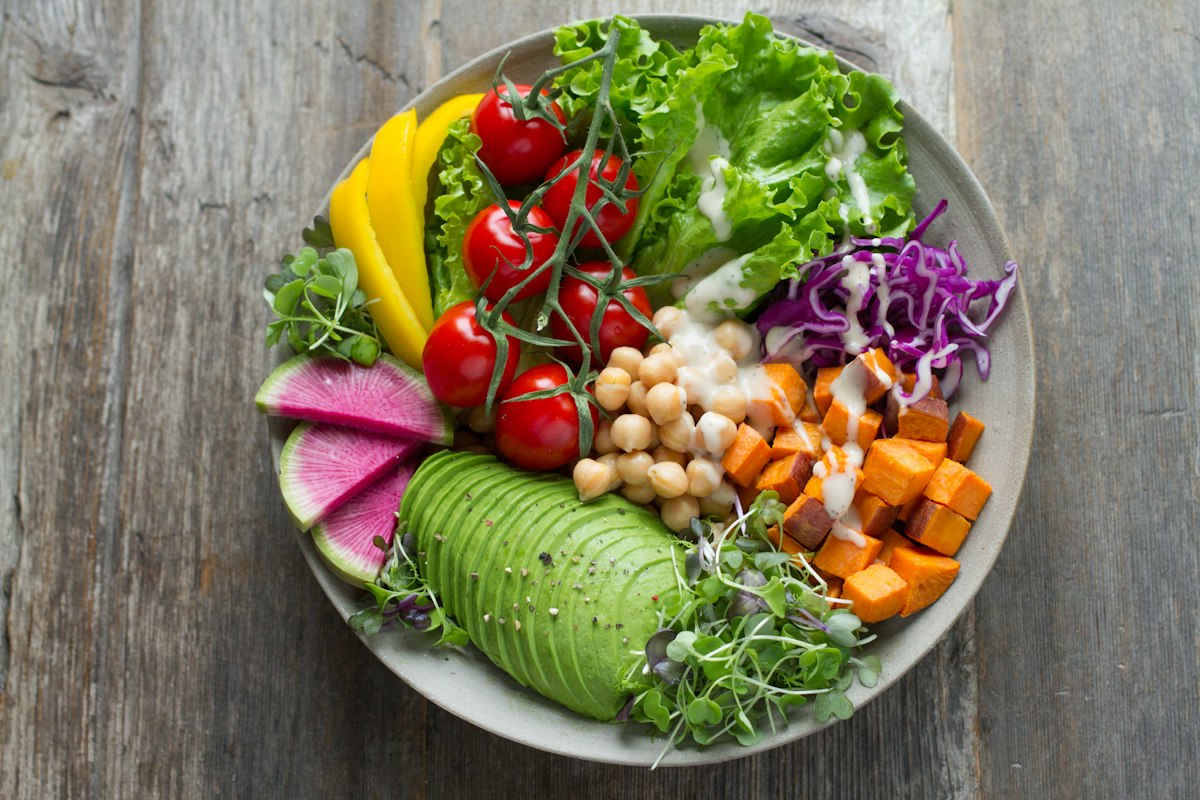
    Diverse plant-based meal with variety of vegetables and whole foods
    Eating 30+ different plant foods per week is one of the most evidence-backed ways to increase microbiome diversity

    How to Build a Better Microbiome: The Evidence

    1. Eat More Fiber — and More Diverse Fiber

    This is the single most impactful dietary intervention for the microbiome. The American Gut Project (now known as The Microsetta Initiative), which has collected microbiome data from thousands of participants, found that people who eat 30 or more different plant foods per week have significantly more diverse microbiomes than those eating fewer than 10. This number — 30 plants per week — has become a practical target in microbiome nutrition because different fiber structures (inulin, pectin, beta-glucan, resistant starch, etc.) feed different bacterial populations.

    Specific prebiotic fibers with strong evidence include: inulin and FOS (fructooligosaccharides, found in garlic, onion, leeks, asparagus), resistant starch (cooked-then-cooled rice and potatoes, green bananas, legumes), beta-glucan (oats, barley, mushrooms), and arabinogalactan (found in root vegetables and supplemented from larch tree). These selectively feed beneficial bacteria — particularly butyrate-producing species — rather than just increasing bulk.

    2. Eat Fermented Foods Daily

    A landmark 2021 Stanford study by Wastyk et al., published in Cell, directly compared high-fiber diets vs. high-fermented-food diets in healthy adults over 10 weeks. The fermented food diet (yogurt, kefir, fermented vegetables, kombucha, kimchi, etc.) produced significantly greater increases in microbiome diversity and significantly greater decreases in 19 inflammatory proteins — including interleukin-17 (a key driver of autoimmune disease). The fiber diet showed more variable results, partly explained by the finding that increased fiber intake requires existing bacteria capable of fermenting it — which many dysbiotic guts lack.

    The implication: fermented foods may be the faster path to rebuilding microbiome capacity, particularly if your baseline is poor. The live organisms in these foods (in meaningful quantities — commercial yogurt often has too few) transiently colonize the gut, perform metabolic functions, and appear to create an environment more hospitable to diverse resident species.

    3. Polyphenols: Plant Compounds That Feed Bacteria

    Dietary polyphenols — the colorful antioxidant compounds in berries, green tea, dark chocolate, olive oil, red wine, and vegetables — are poorly absorbed in the small intestine but extensively metabolized by gut bacteria. This is crucial: most of their health benefits likely occur through microbiome-mediated transformation. Polyphenols selectively promote beneficial bacteria (including Akkermansia muciniphila, a bacteria inversely associated with obesity, diabetes, and inflammation) while suppressing pathogenic species. Eating a wide variety of colorful plants maximizes polyphenol diversity and thus the diversity of microbial transformations occurring in your gut.

    4. Akkermansia: The Barrier Guardian

    Akkermansia muciniphila deserves special mention as one of the most researched beneficial bacteria. It lives in and on the mucus layer of your gut, stimulating mucus production and maintaining barrier integrity. Low Akkermansia is associated with obesity, insulin resistance, inflammatory bowel disease, and cardiovascular disease. In mouse studies, supplementing Akkermansia reverses diet-induced obesity and metabolic syndrome. A 2019 human trial showed that pasteurized Akkermansia supplementation improved insulin sensitivity, reduced plasma LPS, and lowered relevant metabolic markers. Foods and compounds that increase Akkermansia include polyphenols (especially from pomegranate and cranberry), omega-3 fatty acids, and intermittent fasting.

    5. Exercise

    Exercise independently increases gut microbiome diversity, butyrate production, and populations of beneficial bacteria — effects that appear independent of diet. Studies in athletes show dramatically more diverse microbiomes than sedentary controls, with higher populations of anti-inflammatory species. Interestingly, exercise’s microbiome benefits are partially mediated by its effects on gut motility and bile acid circulation. This creates another link between the exercise habits that protect longevity and metabolic health — the microbiome is one more mechanism by which physical activity delivers its systemic benefits, connecting to the muscle-protein axis we’ve discussed elsewhere.

    6. Probiotics: When and Which

    The probiotic industry generates billions of dollars annually, but the evidence for specific products is often thin. The most consistently supported indications for probiotics include: prevention and treatment of antibiotic-associated diarrhea (strong evidence), prevention of C. difficile infection, managing IBS symptoms (particularly with Lactobacillus and Bifidobacterium strains), reducing duration of acute infectious diarrhea, and improving symptoms of lactose intolerance.

    For general microbiome optimization in healthy people, the evidence is weaker for supplements than for fermented foods — partly because most probiotic supplements don’t achieve meaningful colonization. They may exert transient benefits through direct metabolite production and immune modulation without permanently changing resident populations. Key principles: choose products with clinically studied strains (not just species), with at least 10-50 billion CFU, stored properly, and ideally take them with food containing prebiotic fiber to support their activity.

    The Frontier: Microbiome as Medicine

    The most exciting developments are clinical applications now moving from research to treatment:

    FMT beyond C. difficile: Fecal microbiota transplant is being studied for ulcerative colitis (FDA-approved as of 2022), metabolic syndrome, autism spectrum disorder, Parkinson’s disease, and cancer immunotherapy enhancement. The concept of transplanting an entire microbial ecosystem — not just a few strains — may be far more powerful than any probiotic supplement.

    Postbiotics: Rather than transplanting live bacteria, postbiotics (the metabolic byproducts of bacteria, including SCFAs, bacterial cell wall components, and bioactive peptides) can be delivered directly to achieve some microbiome benefits without the complexity of live cultures. Butyrate supplementation, for example, shows promise for gut barrier integrity and anti-inflammatory effects.

    Precision nutrition through microbiome profiling: Research from the Weizmann Institute showed that personalized dietary recommendations based on microbiome composition reduced post-meal blood glucose spikes far more effectively than generic dietary guidelines. Companies now offer commercial microbiome testing — though the clinical utility of most consumer tests remains limited by the complexity of interpretation and lack of actionable specificity.

    The Bottom Line: You Are What Your Bacteria Eat

    The gut microbiome is not a fringe concept. It is now central to our understanding of immunity, metabolism, neuroscience, and disease. The evidence is robust enough to state with confidence: how you feed and protect your microbiome is one of the highest-leverage health investments you can make.

    The practical translation is not complex: eat a wide diversity of plants (aim for 30+ per week), incorporate fermented foods daily, minimize ultra-processed foods and unnecessary antibiotics, exercise regularly, manage chronic stress, and protect sleep. These same behaviors that optimize every other aspect of health discussed in this series — longevity, metabolic health, hormonal balance, cognitive function — also happen to be exactly what your microbiome needs to thrive.

    The 38 trillion organisms living inside you are, in a very real sense, your partners in health. The question is whether you’re feeding them like allies or starving them like prisoners.

  • Your Nervous System Is Stuck in Survival Mode: The Science of Chronic Stress and How to Reset It

    You’re sitting at your desk. The deadline passed an hour ago. Your heart rate is elevated, your shoulders are up around your ears, and you can’t remember the last time you took a deep breath. This is your nervous system in survival mode — and for millions of people, it never switches off.

    Chronic stress is one of the most underestimated health threats of the modern era. Not because we don’t recognize it, but because we’ve normalized it. We mistake the state of constant low-grade activation for “just how life is.” But your biology didn’t evolve for this. The systems designed to save your life in short bursts are destroying it when left running indefinitely.

    This article is a deep dive into the science of your autonomic nervous system — how it works, what happens when it gets stuck in “on,” and the evidence-based tools that can genuinely reset it. Understanding this one system may be the key to unlocking every other aspect of your health.

    Person sitting alone looking stressed and overwhelmed
    Chronic stress keeps the nervous system locked in a state of constant threat vigilance

    The Two-Branch System: SNS vs. PNS

    Your autonomic nervous system (ANS) operates entirely below conscious awareness. It controls your heart rate, breathing, digestion, immune activity, hormonal secretion, and dozens of other essential functions — all without you having to think about it. It does this through two primary branches that are perpetually balanced against each other.

    The sympathetic nervous system (SNS) is your accelerator — the “fight-or-flight” system. When activated, it floods your body with epinephrine (adrenaline) and norepinephrine, triggering a cascade of changes: heart rate spikes, blood pressure rises, breathing quickens, blood is redirected from your gut to your muscles, pupils dilate, and pain perception temporarily decreases. Your body is mobilized for immediate physical action. This system evolved to help you escape a predator.

    The parasympathetic nervous system (PNS) is your brake — the “rest-and-digest” (or “feed-and-breed”) system. Its primary communication channel is the vagus nerve, the longest cranial nerve in the body, which wanders from your brainstem down through your heart, lungs, and all the way to your intestines. When the PNS is dominant, heart rate slows, digestion activates, immune function is enhanced, cellular repair proceeds, and the brain shifts into a mode of broader, more creative thinking.

    The problem: these two systems are mutually inhibitory. You cannot be in full SNS activation and full PNS activation simultaneously. Under chronic stress, the SNS becomes constitutively active — constantly running — while the PNS is perpetually suppressed. This imbalance is at the root of most modern chronic disease.

    The Stress Response Anatomy

    When your brain perceives a threat — whether it’s a charging lion or a hostile email from your boss — the amygdala (your brain’s threat detection center) fires a signal to the hypothalamus. The hypothalamus immediately triggers two parallel stress responses:

    Fast pathway (SAM axis): The sympatho-adrenal medullary (SAM) axis activates within milliseconds. Neural signals travel to the adrenal medulla, which secretes epinephrine and norepinephrine directly into the bloodstream. This is the “adrenaline rush” — immediate, powerful, short-lived.

    Slow pathway (HPA axis): Simultaneously, the hypothalamic-pituitary-adrenal (HPA) axis activates. The hypothalamus releases corticotropin-releasing hormone (CRH), which signals the pituitary to release adrenocorticotropic hormone (ACTH), which in turn signals the adrenal cortex to secrete cortisol. This takes minutes to peak but has effects lasting hours. Cortisol is the sustained stress hormone — the one that does the most long-term damage when chronically elevated.

    The HPA Axis and Cortisol: Your Stress Master Switch

    Cortisol gets a bad reputation, and when chronically elevated, it deserves it. But in its proper context, cortisol is essential for survival. It raises blood glucose by promoting gluconeogenesis (making new glucose from amino acids and fats), suppresses inflammation to prevent tissue damage during injury, enhances memory consolidation of threatening events (so you remember not to repeat them), and mobilizes fat stores for energy.

    The problem is that cortisol evolved for short-term, acute threats. When it runs continuously for months or years — as it does in chronically stressed modern humans — the consequences are catastrophic. Research published in Endocrine Reviews has documented what chronic HPA activation does to virtually every organ system:

    Brain: Cortisol promotes neuronal death in the hippocampus (memory center) and prefrontal cortex (executive function). Chronic stress literally shrinks these regions, impairing memory, decision-making, and emotional regulation. This connection to sleep quality deterioration creates a vicious cycle — poor sleep elevates cortisol, which further damages sleep architecture.

    Metabolic: Cortisol directly drives insulin resistance by counteracting insulin signaling. It promotes visceral fat accumulation (the dangerous kind around your organs) through glucocorticoid receptors that are highly concentrated in abdominal adipose tissue. This is why belly fat and stress are so intimately linked.

    Immune: Acute cortisol is anti-inflammatory. But chronic cortisol paradoxically promotes chronic inflammation — the immune system develops cortisol resistance (downregulating glucocorticoid receptors), then inflammatory cytokines run unchecked. This is why chronically stressed people get sick more often and heal more slowly.

    Cardiovascular: Chronic SNS activation elevates baseline heart rate and blood pressure, stiffens arterial walls, promotes arterial plaque formation, and creates electrical instability in the heart (increasing arrhythmia risk). A 2017 landmark study in The Lancet found that amygdala activity — a proxy for stress reactivity — directly predicted cardiovascular events through arterial inflammation.

    Reproductive: Cortisol suppresses testosterone through multiple mechanisms: reducing GnRH pulsatility, decreasing LH secretion, and directly inhibiting Leydig cell testosterone production. Chronic stress is one of the fastest routes to hormonal dysfunction in both men and women.

    Allostatic Load: The Cumulative Toll

    Researchers Bruce McEwen and Eliot Stellar introduced the concept of allostatic load in 1993 — the cumulative biological “wear and tear” from chronic stress. Allostasis is the process of achieving stability through change (like raising blood pressure when needed). Allostatic load is what accumulates when your body has to make too many of these adjustments too often for too long.

    High allostatic load is measured through a composite of biomarkers: cortisol levels, norepinephrine, blood pressure, waist-to-hip ratio, HbA1c, HDL cholesterol, CRP (inflammatory marker), and others. Studies consistently show that high allostatic load predicts all-cause mortality, cognitive decline, and accelerated aging more reliably than any single biomarker alone.

    Person meditating peacefully outdoors in nature
    Activating the parasympathetic nervous system is a learnable skill with profound health effects

    Polyvagal Theory: A More Nuanced Map of the Nervous System

    In the 1990s, neuroscientist Stephen Porges developed Polyvagal Theory, which added significant nuance to our understanding of the ANS. The traditional SNS/PNS binary misses an important third state.

    Porges identified that the vagus nerve itself has two distinct components with different evolutionary ages and functions:

    Ventral vagal complex (VVC): The evolutionarily newer, myelinated (fast) portion of the vagus. When active, it produces the “social engagement system” — calm alertness, facial expressiveness, the ability to connect with others, a sense of safety. This is the optimal state for human functioning: neither shut down nor in fight-or-flight.

    Dorsal vagal complex (DVC): The evolutionarily ancient, unmyelinated portion. Under extreme or prolonged threat, when fight-or-flight is not possible, the DVC produces a freeze/shutdown response — dissociation, emotional numbness, exhaustion, and depression. This is the nervous system’s last resort: “playing dead” to survive.

    Polyvagal Theory maps chronic stress as a progression: from ventral vagal safety → sympathetic mobilization (anxiety, fight-or-flight) → dorsal vagal shutdown (depression, burnout, chronic fatigue). Many people oscillate between the sympathetic and dorsal states without ever returning to stable ventral vagal regulation.

    Heart Rate Variability: Measuring Your Vagal Tone

    The best non-invasive measure of ANS balance is heart rate variability (HRV) — the millisecond-to-millisecond variation in the interval between heartbeats. Counterintuitively, more variability is better. High HRV indicates the vagus nerve is actively modulating heart rate, a sign of a healthy, flexible nervous system capable of rapidly shifting between states as needed.

    Low HRV — a rigid, predictable heartbeat — indicates sympathetic dominance and reduced vagal tone. Meta-analyses consistently show that low HRV predicts cardiovascular disease, all-cause mortality, depression, anxiety, post-traumatic stress, and inflammatory diseases. HRV declines with age but is highly modifiable through the interventions described below.

    You can now track HRV at home using consumer wearables (Whoop, Garmin, Apple Watch, Oura Ring). Serial tracking over weeks reveals the cumulative impact of lifestyle choices — sleep quality, alcohol, exercise, stress events — on your nervous system state in real time.

    How Chronic Stress Damages Every Body System

    Beyond the specific mechanisms already described, chronic sympathetic dominance creates a comprehensive pattern of dysfunction that touches every major system:

    Digestive System: The Gut-Brain Axis Disruption

    The enteric nervous system — sometimes called “the second brain” — contains more neurons than the spinal cord and is in constant bidirectional communication with the brain via the vagus nerve. Chronic sympathetic activation suppresses digestive secretions, slows intestinal motility, reduces blood flow to the gut, and compromises the intestinal barrier (increasing “leaky gut”). The result: irritable bowel syndrome, GERD, altered gut microbiome composition, and impaired nutrient absorption. Low-grade gut-derived inflammation then feeds back to the brain, increasing anxiety and stress reactivity — a true vicious cycle.

    Sleep Architecture: The Cortisol-Sleep Cycle

    Cortisol and melatonin are on opposing schedules — cortisol should peak in the morning and melatonin at night. Chronic stress disrupts this rhythm. Elevated evening cortisol suppresses melatonin release and keeps the brain in an arousal state incompatible with sleep onset. Poor sleep then elevates the next day’s cortisol, degrading the circadian rhythm further. Research shows that just one night of poor sleep increases inflammatory cytokines enough to produce measurable mood deterioration the following day.

    Immune Dysregulation

    The stress-immune connection is bidirectional. Acute stress briefly enhances certain immune functions (a feature for injury risk). Chronic stress produces immune dysregulation: reduced natural killer cell activity (your first line of defense against viruses and cancer cells), impaired antibody production, and paradoxical chronic low-grade inflammation (as cortisol resistance develops). Studies on caregivers, people in difficult relationships, and shift workers all show compromised immune function directly attributable to chronic psychological stress.

    Cognitive Function: The Stressed Brain

    Chronic stress creates a predictable cognitive profile: narrowed attention (hypervigilance to threat, difficulty with broad perspective), impaired working memory, reduced cognitive flexibility, poor decision-making, and heightened emotional reactivity. The prefrontal cortex — the seat of rational thought, impulse control, and long-term planning — literally atrophies under chronic glucocorticoid exposure. Meanwhile, the amygdala hypertrophies (grows larger), making the brain more reactive and threat-focused. This is why stressed people make worse decisions and feel more emotionally volatile — their brain has literally remodeled around threat detection.

    The Evidence-Based Reset Toolkit

    Here is what the research actually supports for downregulating the stress response and restoring ANS balance. These are not relaxation tips — they are physiological interventions with documented effects on HRV, cortisol, inflammatory markers, and brain structure.

    1. Diaphragmatic Breathing and Resonance Frequency Breathing

    The vagus nerve is activated by every inhalation and exhalation — the heart naturally speeds up on inhale (SNS influence) and slows on exhale (PNS influence). Slow, diaphragmatic breathing at approximately 5-6 breaths per minute (about 5 seconds in, 5 seconds out) creates “resonance frequency” — a state where breathing, heart rate, and blood pressure oscillate in synchrony, maximally stimulating vagal activity and producing the largest HRV increases of any known intervention.

    A 2017 meta-analysis in Frontiers in Psychology found that resonance frequency breathing reliably increases HRV, reduces cortisol, decreases anxiety, and improves attention. The effects are immediate (measurable within minutes) and cumulative (regular practice produces lasting ANS changes). Breathing is unique in the autonomic repertoire — it’s the one ANS function you can also control voluntarily, making it a direct lever on your otherwise automatic nervous system.

    2. Exercise: The Acute Stress That Prevents Chronic Stress

    Exercise is a paradox: it acutely activates the SNS, spiking cortisol and epinephrine. But regular exercise is one of the most powerful antidotes to chronic stress. This works through several mechanisms:

    First, exercise trains the HPA axis to be more efficient — the stress response becomes more proportionate and resolves more quickly (reduced “stress reactivity”). Second, exercise increases BDNF (brain-derived neurotrophic factor), which promotes hippocampal neurogenesis, literally reversing stress-induced brain shrinkage. Third, aerobic exercise significantly increases basal HRV — athletes have some of the highest HRVs ever measured. Fourth, exercise depletes stress hormones accumulated during psychological stress, providing genuine biochemical discharge for the threat response. Combining this with the muscle-preserving benefits of protein creates a comprehensive approach to stress-driven metabolic damage.

    3. Cold Exposure: Vagal Stimulation Through Controlled Threat

    Brief cold water immersion (cold showers, ice baths) has emerged as a surprisingly robust vagal tonic. The dive reflex — triggered by cold water on the face — directly activates the vagus nerve through facial vagal afferents, causing immediate heart rate deceleration. Regular cold exposure trains the stress response to be more controlled: the initial spike becomes smaller over time, and the recovery faster.

    Research from the Radboud University Medical Center found that subjects who practiced cold showers reported less sick days and higher subjective energy levels. While HRV studies on cold exposure are ongoing, the norepinephrine increase (200-300%) from cold exposure provides mood-boosting and attention-enhancing effects that may partially explain the widespread anecdotal enthusiasm for cold therapy.

    4. Nature Exposure: The Attention Restoration Effect

    The Japanese practice of Shinrin-yoku (forest bathing) has been extensively studied, and the results are compelling. Spending time in natural environments — even relatively briefly — produces measurable reductions in cortisol, blood pressure, sympathetic nerve activity, and inflammatory markers, while increasing NK cell activity and parasympathetic tone.

    The mechanisms involve multiple sensory channels: phytoncides (volatile organic compounds from trees) have been shown to directly increase NK cell activity. The visual environment of nature contains the “soft fascination” patterns (fractals, movement) that engage attention effortlessly without the directed-attention demands of urban environments, allowing attentional restoration. Even 20 minutes in a park produces measurable cortisol reduction.

    5. Social Connection: The Ventral Vagal Activator

    Polyvagal Theory identifies co-regulation — the ANS modulation that occurs during safe social connection — as the primary way mammals regulate their nervous systems. The ventral vagal state is, by design, a social state. Safe eye contact, prosodic voice (the melodic quality of a calm, friendly voice), gentle touch, laughter, and emotional attunement all directly activate the ventral vagal complex.

    Research by Julianne Holt-Lunstad found that social isolation is a stronger predictor of premature death than obesity, physical inactivity, or smoking. Loneliness chronically activates the SNS and HPA axis — the brain interprets social isolation as a survival threat. Conversely, oxytocin (released during positive social contact) directly inhibits amygdala reactivity and HPA axis activation, providing genuine biological stress buffering.

    Person doing yoga and breathing exercises for stress relief
    Breathwork, movement, and mindfulness practices directly shift the nervous system toward parasympathetic dominance

    6. Mindfulness and Meditation: Cortical Downregulation of the Amygdala

    A 2011 study by Sara Lazar at Harvard found that 8 weeks of mindfulness-based stress reduction (MBSR) produced measurable changes in brain structure: decreased amygdala volume (less stress reactivity), increased prefrontal cortex density (better emotional regulation), and increased insula thickness (better interoceptive awareness). These are the opposite changes to those produced by chronic stress.

    Meditation works by activating the prefrontal cortex to downregulate the amygdala — essentially strengthening the brain’s own stress-suppression circuits. Regular practitioners show lower baseline cortisol, faster cortisol recovery after acute stress, and higher basal HRV. The dose-response is modest but reliable: even 10-15 minutes daily produces measurable effects within 2-4 weeks.

    7. Sleep: The Foundation of Stress Recovery

    Sleep is when the ANS resets. During deep slow-wave sleep, sympathetic activity drops to its lowest daily levels and parasympathetic activity dominates. The lymphatic system clears metabolic waste from the brain. The HPA axis downregulates. Growth hormone surges, initiating cellular repair. Chronic sleep restriction prevents this recovery cycle, keeping allostatic load perpetually elevated.

    The sleep debt crisis and the chronic stress epidemic are inseparable. Every hour of sleep below optimal increases the following day’s stress reactivity. Sleep hygiene is therefore not merely a sleep issue but a fundamental stress management intervention. Magnesium glycinate at 300-400mg before bed supports both sleep quality and cortisol regulation through its role in HPA axis modulation.

    The Mind-Body Feedback Loop: Connecting It All

    What makes the nervous system the master regulator of health is that it doesn’t operate in isolation — it creates feedback loops with every other system we’ve discussed throughout this series.

    Chronic SNS activation drives systemic inflammation → inflammation feeds back to the brain, increasing amygdala reactivity and perceived stress. Stress drives insulin resistance through cortisol → insulin resistance drives metabolic inflammation → which further stresses the body. Stress suppresses testosterone → low testosterone increases stress vulnerability → creating hormonal fragility. Stress disrupts the circadian rhythm → disrupted circadian rhythm impairs cortisol regulation → further dysregulating the HPA axis.

    This is not a linear chain but a web of mutually reinforcing dysregulation. The good news: it also means that intervening at any point can create positive cascades throughout the system.

    The Perception Problem: Perceived Stress Matters as Much as Actual Stress

    One of the most counterintuitive findings in stress research is that perceived stress — how much you believe stress is harming you — may matter as much as objective stress levels. A landmark 8-year study published in Health Psychology followed 30,000 Americans and found that high stress increased mortality risk by 43%, but only in people who believed stress was harmful. High-stress individuals who did not believe stress was damaging had the lowest mortality risk in the entire study — lower even than low-stress participants.

    This doesn’t mean stress has no biological effects. It means the cognitive appraisal of stress — challenge vs. threat, controllable vs. uncontrollable, meaningful vs. meaningless — activates different neuroendocrine profiles. A challenge response (I have the resources to handle this) produces a cortisol spike without the vasoconstrictive effects of a threat response. Reframing capacity is a genuine physiological intervention, not just positive thinking.

    Practical Protocol: Resetting Your Nervous System

    Based on the evidence, here is a practical daily structure for shifting ANS balance:

    Morning: Avoid checking your phone for the first 30 minutes after waking — the morning is when cortisol naturally peaks (cortisol awakening response), and immediate news/email inputs can spike it further before you’ve had a chance to orient to the day. Light exposure within 30 minutes of waking sets the cortisol rhythm. A brief cold shower (30-60 seconds) deploys the dive reflex and sets a controlled-stress tone for the day.

    Throughout the day: Practice “physiological sighs” — a double inhale through the nose followed by a long exhale — which are the fastest known way to reduce acute stress (one breath can reduce arousal measurably). Set a reminder every 90 minutes to check your breathing and consciously slow it. Take a 20-minute walk outdoors if possible — nature exposure plus movement provides dual ANS benefit.

    Evening: Begin downregulating 2 hours before sleep. Dim lights, eliminate blue light screens, lower ambient temperature. 5 minutes of resonance frequency breathing (5-second inhale, 5-second exhale) before sleep activates the vagal brake and improves sleep onset quality measurably. Avoid alcohol — despite its sedating effect, alcohol fragments sleep architecture and elevates next-day cortisol.

    Weekly: 3-5 sessions of moderate aerobic exercise (zone 2 intensity — able to hold a conversation) produces the most robust long-term HRV improvements. Social connection with safe, supportive people at least 2-3 times weekly. One extended nature exposure session (1+ hour) if possible.

    When to Seek Help: Recognizing Nervous System Dysregulation

    Some patterns suggest nervous system dysregulation that benefits from professional support beyond lifestyle intervention:

    Trauma history — adverse childhood experiences (ACEs) produce lasting HPA axis changes that make the stress response persistently hyperreactive. Somatic therapies (EMDR, somatic experiencing, Sensorimotor Psychotherapy) address the body-level stress storage that cognitive therapies may not fully reach.

    Adrenal fatigue syndrome — a controversial but clinically observed pattern where the HPA axis appears to chronically underrespond after prolonged overactivation. Morning cortisol is abnormally low, fatigue is pervasive, and recovery from minor stressors takes disproportionately long. This aligns closely with the chronic fatigue pattern.

    Anxiety disorders and PTSD — represent clinically significant ANS dysregulation where the amygdala threat response is hypersensitized and the PFC’s downregulatory capacity is insufficient. Combination of pharmacotherapy, somatic work, and the lifestyle interventions above is typically most effective.

    The Bottom Line: Your Nervous System Is Modifiable

    Here is the most important thing to understand: your autonomic nervous system is not a fixed system. It is extraordinarily plastic — capable of change at any age through consistent inputs. The same neuroplasticity that allows chronic stress to remodel your brain toward threat sensitivity also allows targeted interventions to remodel it toward regulation and resilience.

    The techniques in this article are not temporary fixes. Practiced consistently over weeks and months, they produce measurable changes in brain structure, HPA axis reactivity, vagal tone, inflammatory markers, and allostatic load. They address the root cause of much of the chronic disease burden in modern life — not by eliminating stressors, which is impossible, but by fundamentally changing how your biology responds to them.

    In the context of everything else we’ve explored in this series — inflammation, metabolic health, sleep, hormones, nutrition — the nervous system is the master regulator. Getting it right doesn’t just reduce stress. It makes every other health intervention more effective, and creates the physiological foundation for genuine resilience.

    Your nervous system learned to be stuck. With the right inputs, it can learn to be free.

  • Why You’re Not Eating Enough Protein: The Science of Muscle, Metabolism, and Longevity

    The most common nutritional deficiency in the modern diet isn’t vitamin D, magnesium, or omega-3s — though all of those are genuine problems. It’s protein. Not the kind of deficiency that causes kwashiorkor in malnourished populations, but a chronic functional insufficiency that quietly undermines muscle mass, metabolic rate, satiety, immune function, and longevity across hundreds of millions of people who think they’re eating perfectly adequately.

    The standard dietary recommendation of 0.8 grams of protein per kilogram of body weight per day was never designed as an optimal target. It was calculated as the minimum needed to prevent nitrogen deficiency in sedentary adults. The difference between “not deficient” and “optimally fueled” is substantial — and the emerging research on protein requirements for muscle preservation, metabolic health, and aging suggests most people are operating significantly below what their biology needs to function at its best.

    What Protein Actually Does in the Body

    Protein is the only macronutrient that serves as a building material. Every structural and functional protein in your body — enzymes, antibodies, hormones, transporters, structural proteins in muscle and connective tissue — must be synthesized from dietary amino acids. Unlike carbohydrates and fat, the body has no dedicated protein storage depot. Amino acid availability is constantly in flux, and when dietary protein is insufficient, the body catabolizes muscle tissue to maintain the amino acid pool needed for critical functions.

    The 20 amino acids that make up dietary protein are divided into essential (those the body cannot synthesize and must obtain from food) and non-essential (those the body can produce). The nine essential amino acids — histidine, isoleucine, leucine, lysine, methionine, phenylalanine, threonine, tryptophan, and valine — are the rate-limiting factors in protein synthesis. Of these, leucine is particularly critical: it functions as a direct anabolic signal, activating the mTOR pathway that triggers muscle protein synthesis. Foods with high leucine content and high digestibility — animal proteins, whey, soy — are particularly effective at stimulating muscle protein synthesis per gram consumed.

    Beyond muscle, protein is the substrate for neurotransmitter synthesis (tryptophan → serotonin and melatonin; tyrosine → dopamine, norepinephrine, epinephrine), immune function (antibodies are glycoproteins; cytokines are proteins), hormone production (insulin, glucagon, growth hormone, and many others are proteins or peptides), and the enzymatic machinery that drives virtually every metabolic process. Chronic protein insufficiency doesn’t just affect muscle — it degrades the entire biological infrastructure.

    High protein foods including eggs, chicken, fish and legumes
    Complete protein sources — those containing all nine essential amino acids in adequate proportions — include meat, fish, eggs, dairy, and soy. Plant proteins generally require combining sources to achieve complete amino acid profiles.

    The Muscle Mass Crisis Nobody Is Talking About

    Skeletal muscle is the largest organ in the body (in most people), comprising 30-40% of total body weight. It’s also one of the most metabolically important. Muscle is the primary site of glucose disposal after meals — responsible for 70-80% of post-meal glucose uptake — making it central to insulin sensitivity and metabolic health. It’s a major contributor to resting metabolic rate. It’s the body’s primary reservoir of amino acids for use during physiological stress, illness, and recovery. And it’s one of the strongest predictors of longevity — more predictive than BMI, cardiovascular fitness, or most biomarkers currently used in clinical medicine.

    Sarcopenia — the age-related loss of muscle mass and function — begins in the third decade of life and accelerates dramatically after 60. Without deliberate intervention (resistance training and adequate protein), adults lose 3-8% of muscle mass per decade from age 30, with the rate increasing after 60. By 80, the average person has lost 30-40% of their peak muscle mass. This isn’t just an aesthetic concern — muscle loss directly predicts falls, fractures, hospitalizations, loss of independence, and mortality.

    The relationship between protein intake and sarcopenia is direct. Muscle protein synthesis requires not just the stimulus of exercise but the substrate of dietary protein. When protein intake is insufficient, even adequate exercise cannot fully prevent muscle loss. Older adults face an additional challenge: “anabolic resistance” — the blunting of muscle protein synthesis response to both protein intake and exercise that develops with aging. The practical implication is that protein requirements increase with age, not decrease, even as appetite often diminishes.

    The Protein Leverage Hypothesis

    One of the most compelling frameworks for understanding modern overconsumption is the protein leverage hypothesis, proposed by researchers David Raubenheimer and Stephen Simpson. The hypothesis states that humans (like many other animals) have a dominant appetite specifically for protein, and will continue eating until their protein target is met — regardless of how many total calories are consumed in the process.

    In the modern food environment, ultra-processed foods are systematically protein-diluted — high in carbohydrate and fat, low in protein. When these foods make up a large proportion of the diet, protein targets go unmet, driving continued eating and calorie overconsumption. Supporting evidence comes from studies showing that increasing the protein density of the diet — even without restricting calories — reduces total calorie intake and body weight. This reframes overeating not as a failure of willpower but as a predictable biological response to a protein-diluted food supply.

    Protein and Metabolic Rate

    Protein has the highest thermic effect of food (TEF) of any macronutrient — roughly 20-35% of protein calories are expended in the process of digesting, absorbing, and metabolizing it, compared to 5-10% for carbohydrates and 0-3% for fat. This means a 500-calorie protein-rich meal effectively delivers fewer net calories than a 500-calorie carbohydrate-rich meal. The difference isn’t enormous, but it compounds over time.

    More importantly, adequate protein intake protects lean mass during caloric restriction. When people lose weight through calorie restriction alone, typically 20-30% of the weight lost is lean mass (muscle, bone, organ tissue), not fat. This is metabolically catastrophic — each pound of lost muscle reduces resting metabolic rate, making further weight loss progressively harder and weight regain almost inevitable. High protein intake during caloric restriction (combined with resistance training) preserves muscle mass, meaning a higher proportion of weight lost is fat, resting metabolic rate is protected, and the long-term metabolic trajectory is entirely different.

    This mechanism explains why high-protein diets consistently outperform lower-protein diets for weight loss maintenance, not just initial loss. The sustained metabolic benefit of preserved muscle mass is the primary driver of long-term outcomes — not the specific macronutrient ratio during the loss phase.

    How Much Protein Do You Actually Need?

    The research on optimal protein intake has converged considerably in recent years, though it remains higher than most official recommendations acknowledge. The evidence base for protein requirements in active adults, older adults, and those trying to maintain or build muscle tells a different story than the 0.8 g/kg guideline.

    For sedentary adults focused on general health: 1.2-1.6 g/kg of body weight per day appears to be the range where meaningful benefits above the RDA emerge — better satiety, better muscle preservation with age, better immune function.

    For active adults doing resistance training: 1.6-2.2 g/kg appears optimal for muscle protein synthesis and recovery. A 2017 meta-analysis of 49 studies (including 1,800 participants) found that protein intakes above 1.62 g/kg produced no additional benefit for muscle gain from resistance training — but this ceiling represents nearly double the RDA.

    For older adults (over 60): 1.6-2.0 g/kg, or higher, may be needed to overcome anabolic resistance and preserve muscle mass. The PROT-AGE study group and similar expert panels have recommended 1.2-1.6 g/kg as a minimum for older adults, substantially above the 0.8 g/kg RDA.

    For weight loss periods: 2.2-3.0 g/kg of lean body mass is supported by research as optimal for preserving muscle during caloric restriction — particularly in leaner individuals where the deficit is more aggressive.

    As a practical benchmark: a 75 kg (165 lb) person aiming for the 1.6-2.2 g/kg range needs 120-165 grams of protein daily. Most people in Western countries consume 70-90 grams per day — well below this range, and distributed suboptimally (typically low at breakfast, moderate at lunch, excessive at dinner).

    Person doing resistance training and strength exercise
    The combination of resistance training and adequate protein is the most powerful intervention for preserving muscle mass across the lifespan — with benefits that compound significantly over decades.

    Distribution Matters: The Per-Meal Protein Threshold

    Protein isn’t just about daily totals — the distribution across meals significantly affects muscle protein synthesis. Research shows that muscle protein synthesis is maximized at approximately 20-40 grams of high-quality protein per meal, with diminishing returns above this threshold (the excess amino acids are oxidized for energy). Spreading protein across 3-4 meals stimulates more total daily muscle protein synthesis than consuming the same amount concentrated in one or two large meals.

    This has direct implications for how most people structure their eating. The typical pattern — a low-protein breakfast (toast, cereal, fruit), a moderate-protein lunch, and a protein-heavy dinner — means muscle protein synthesis is maximally stimulated only once daily, leaving significant anabolic potential unrealized. Shifting toward a more even distribution — 30-40 grams at breakfast, 30-40 at lunch, 30-40 at dinner — dramatically increases the daily muscle protein synthesis signal without changing total intake.

    Pre-sleep protein is an underutilized strategy with strong evidence. Consuming 30-40 grams of casein protein before sleep enhances overnight muscle protein synthesis and recovery. During sleep, the body is in a prolonged fasted state with elevated growth hormone — providing amino acid substrate during this window meaningfully improves muscle maintenance and repair, particularly relevant for older adults. The connection to sleep quality and recovery is direct.

    Protein and Longevity: The mTOR Question

    A common concern in longevity circles is whether high protein intake — specifically, the activation of mTOR by leucine and other amino acids — promotes accelerated aging and cancer risk by inhibiting autophagy. This concern, while scientifically grounded in principle, is significantly overstated in practical application.

    The mTOR-autophagy tradeoff is real: mTOR activation stimulates protein synthesis and cell growth while suppressing autophagy (the cellular recycling process that removes damaged components). Caloric restriction and fasting activate autophagy partly through mTOR suppression. This is one mechanism underlying the longevity benefits of caloric restriction. However, the relationship between dietary protein and longevity in humans is not simply “more protein = faster aging.”

    Epidemiological studies on protein and longevity show a consistent finding: the source of protein matters enormously. Higher consumption of processed red meat is associated with increased mortality risk. Higher consumption of plant proteins, fish, and poultry is associated with reduced or neutral mortality risk. When protein source is adequately controlled, higher total protein intake is not associated with reduced longevity — and in older adults, it’s consistently associated with better survival outcomes.

    Dr. Valter Longo’s work, often cited in support of protein restriction for longevity, specifically focuses on IGF-1 and protein intake in middle age (50-65). But his own recommendations for older adults (65+) reverse this, advocating higher protein intake to counteract sarcopenia. The nuanced message — moderate protein in middle age, higher protein in older age — is rarely conveyed accurately in popular longevity discourse.

    Protein Quality: Not All Grams Are Equal

    Protein quality — the completeness of essential amino acid profile and the digestibility of the protein — varies significantly between sources. Animal proteins (meat, fish, eggs, dairy) are generally complete proteins with high bioavailability (85-95% digested and absorbed) and favorable leucine content. Most plant proteins are either incomplete (lacking one or more essential amino acids) or have lower bioavailability due to fiber, phytates, and other antinutritional factors.

    This doesn’t mean plant-based eating can’t provide adequate protein — it absolutely can, but requires more deliberate combination and somewhat higher total intake to achieve equivalent amino acid delivery. Soy is the primary exception: it’s a complete plant protein with reasonably high bioavailability. Combining complementary plant sources — grains with legumes — provides complete essential amino acid profiles across the day.

    The Digestible Indispensable Amino Acid Score (DIAAS) is the most modern and accurate measure of protein quality. By this metric, the highest-quality proteins are whey, egg white, and milk (scores approaching or exceeding 1.0), followed by meat and fish (0.7-0.9), with plant proteins generally scoring lower (0.4-0.7 for most grains and legumes). For people eating plant-forward diets, the effective protein intake may be meaningfully lower than the nominally listed grams.

    Protein and Satiety: The Weight Loss Advantage

    Protein is the most satiating macronutrient, and the mechanisms are well understood. Protein intake stimulates the release of satiety hormones including GLP-1, PYY, and CCK while suppressing ghrelin (the hunger hormone). It reduces appetite through central mechanisms as well — amino acids signal directly to the hypothalamus, and high-protein meals reduce activity in the brain’s reward regions associated with food cravings.

    High-protein breakfasts consistently reduce total calorie intake throughout the day. Studies comparing high-protein versus high-carbohydrate breakfasts with identical calories show the protein group eats 400-600 fewer total calories over the subsequent 24 hours, with reduced cravings for high-fat and high-sugar foods. This connects directly to the belly fat and metabolic health picture: a breakfast that doesn’t satisfy drives compensatory eating later in the day, often in the evening when insulin sensitivity is lowest.

    High protein meal preparation with lean meats and vegetables
    Distributing protein evenly across meals — rather than concentrating it at dinner — maximizes daily muscle protein synthesis and improves satiety throughout the day.

    Practical Strategies for Hitting Protein Targets

    The most common reason people fall short of protein targets isn’t lack of willingness — it’s that high-protein foods require more planning and preparation than high-carbohydrate alternatives, and default convenient food options are systematically protein-insufficient. Building protein-first habits changes the equation.

    Front-load protein at breakfast. Eggs, Greek yogurt, cottage cheese, smoked salmon, or a protein shake can deliver 25-40 grams at the first meal of the day. This sets the satiety tone for the day, reduces total calorie intake, and ensures the morning period — when muscle protein synthesis rates are naturally elevated — is adequately fueled. A breakfast of two eggs and 200g Greek yogurt delivers approximately 35 grams of high-quality protein.

    Anchor meals around protein sources. Build each meal around a protein component first, then add carbohydrates and fats around it. A 150g chicken breast, 150g salmon fillet, two eggs plus two egg whites, 200g Greek yogurt, or 200g cottage cheese each provide roughly 30-40 grams of protein. This protein-first approach naturally shifts meal composition toward higher protein density without requiring calorie counting.

    Use protein strategically for snacks. Most snack foods are protein-poor. Replacing standard snacks with protein-rich alternatives — hard-boiled eggs, edamame, cottage cheese, jerky, or Greek yogurt — converts snacking from a net metabolic negative into an opportunity to hit protein targets and sustain satiety. The micronutrient density of protein-rich whole foods is also far superior to typical processed snacks.

    Consider protein supplementation strategically. Whey protein is one of the most well-researched supplements in existence, with a robust evidence base for muscle protein synthesis, satiety, and immune function. A 25-30g serving provides approximately 2.5g leucine — sufficient to maximally stimulate muscle protein synthesis. It’s particularly useful for filling the gap at breakfast, post-exercise, or before sleep. Plant-based alternatives (pea protein, rice protein blends) are adequate though slightly less potent per gram due to lower leucine content.

    The Compounding Returns of Getting Protein Right

    The benefits of adequate protein intake compound dramatically over time. Every decade of adequate protein and resistance training preserves muscle mass that would otherwise be lost to sarcopenia. The metabolic, functional, and longevity consequences of this preserved muscle — better insulin sensitivity, higher metabolic rate, lower fall risk, maintained independence — represent a health trajectory that diverges enormously from the average.

    The interaction with circadian biology is also relevant: protein timing that aligns with the body’s anabolic windows (morning and post-exercise) produces greater muscle protein synthesis benefits than the same total protein consumed at suboptimal times. And adequate protein supports the neurotransmitter synthesis that underlies mood, cognitive performance, and stress resilience — connecting to the broader picture of how nutritional sufficiency underpins mental as well as physical health.

    The message isn’t to obsess over grams or to adopt an extreme high-protein diet. It’s to recognize that the standard recommendation significantly underestimates what most people need, that the protein gap between current intake and optimal intake is both real and consequential, and that closing that gap through deliberate food choices is one of the most accessible and high-impact nutritional interventions available — particularly as we age. The question isn’t whether you can afford to prioritize protein. It’s whether you can afford not to.

  • The Insulin Resistance Epidemic: Why Your Cells Have Stopped Listening to Insulin

    Somewhere between 40 and 50 percent of American adults are either diabetic or pre-diabetic. Most of them don’t know it. The condition driving both — insulin resistance — is now so common that researchers have begun calling it the defining metabolic disorder of the 21st century. Yet most people have never heard a clear explanation of what it actually is, why it develops, or what it means for their health beyond a vague warning about sugar.

    Insulin resistance isn’t a disease that appears suddenly. It develops over years — often decades — through the accumulation of metabolic stress that slowly degrades the body’s ability to respond to one of its most critical hormones. By the time a diagnosis of type 2 diabetes arrives, the underlying dysfunction has typically been present for 10-15 years. The tragedy is that the window for intervention is wide, the mechanisms are well understood, and the reversal is achievable — but only if you understand what’s actually happening.

    What Insulin Actually Does

    To understand insulin resistance, you first need to understand what insulin does when it’s working properly. Insulin is a peptide hormone secreted by beta cells in the pancreas in response to rising blood glucose. Its primary job is to facilitate glucose uptake into cells — muscle, fat, and liver tissue — by binding to insulin receptors on the cell surface and triggering a cascade of signaling events that allow glucose transporters (primarily GLUT4 in muscle and fat) to move to the cell surface.

    But insulin does far more than move glucose. It’s a profound anabolic signal that stimulates protein synthesis, promotes fat storage (by activating enzymes that convert glucose and fatty acids into triglycerides), suppresses lipolysis (the breakdown of stored fat), and regulates dozens of other metabolic processes including inflammation, cell growth, and kidney function. In a healthy system, insulin rises after a meal to handle the incoming glucose load, then falls as glucose is cleared, allowing the body to shift into a fat-burning mode between meals.

    Insulin resistance means the cells are not responding normally to this signal. It’s not that there’s no insulin — initially, there’s often too much. When cells become resistant, the pancreas compensates by producing more insulin to overcome the blunted response. For years or decades, it can maintain something close to normal blood glucose levels through this compensatory hyperinsulinemia. The blood glucose looks fine on a standard test. But the elevated insulin itself is driving a cascade of downstream damage.

    Blood glucose testing and diabetes management concept
    Insulin resistance develops silently over years — standard fasting glucose tests often miss it until significant metabolic damage has already occurred.

    The Mechanisms: How Insulin Resistance Develops

    Insulin resistance doesn’t have a single cause — it’s the convergence of several pathways that each degrade insulin signaling at the cellular level. Understanding these mechanisms explains why so many seemingly unrelated lifestyle factors all contribute to the same condition.

    Ectopic Fat Accumulation

    The most well-established mechanism involves the accumulation of fat in tissues that aren’t designed to store it — primarily skeletal muscle and the liver. When these cells are overloaded with lipid, particularly diacylglycerol (DAG) and ceramides, these lipid intermediates directly interfere with insulin signaling. DAG activates protein kinase C (PKC), which phosphorylates the insulin receptor substrate (IRS-1) at serine rather than tyrosine residues — essentially jamming the signal transduction cascade that insulin normally triggers.

    This explains why visceral fat — the fat stored around abdominal organs — is so metabolically damaging compared to subcutaneous fat. Visceral fat is highly lipolytic, constantly releasing free fatty acids into the portal circulation that flows directly to the liver. This creates a state of chronic hepatic fat overload that drives liver insulin resistance, which in turn impairs the liver’s ability to suppress glucose production after meals — one of the hallmarks of progressing metabolic dysfunction. The connection to belly fat accumulation is direct and bidirectional.

    Mitochondrial Dysfunction

    Healthy mitochondria are essential for insulin sensitivity because they’re responsible for oxidizing glucose and fatty acids efficiently. When mitochondrial function is impaired — whether through sedentary behavior, chronic inflammation, oxidative stress, or simple aging — the cell’s ability to clear incoming fuel is reduced. Substrates back up, lipid intermediates accumulate, and insulin signaling degrades. Exercise is the most powerful intervention for restoring mitochondrial function and density, which is a major reason why physical activity so consistently improves insulin sensitivity even without weight loss.

    Chronic Inflammation as a Driver

    Chronic low-grade inflammation directly impairs insulin signaling through multiple pathways. Inflammatory cytokines — particularly TNF-α and IL-6, which are released by visceral fat, liver macrophages, and other tissues — activate serine kinases (IKK-β, JNK) that phosphorylate IRS-1 at serine residues, the same jamming mechanism that lipid overload triggers. This creates a vicious cycle: insulin resistance promotes fat accumulation and metabolic stress, which drives inflammation, which worsens insulin resistance.

    The gut microbiome’s role has become increasingly clear. Gut dysbiosis — the disruption of the gut’s microbial ecosystem — increases intestinal permeability, allowing bacterial endotoxins (lipopolysaccharide, or LPS) to enter systemic circulation. LPS binds to toll-like receptor 4 (TLR4) on immune cells and metabolic tissues, triggering inflammatory signaling that directly impairs insulin sensitivity. This is one mechanism through which ultra-processed food diets — which devastate microbiome diversity — promote insulin resistance beyond their caloric contribution.

    Cortisol, Sleep, and Stress

    Cortisol is a counter-regulatory hormone that directly opposes insulin’s action — it promotes glucose production in the liver, impairs glucose uptake in muscle, and drives fat accumulation in visceral depots. Chronically elevated cortisol from psychological stress, sleep deprivation, or HPA axis dysregulation creates a state of persistent insulin resistance that is largely independent of diet. Research consistently shows that sleep deprivation of even a few days can reduce insulin sensitivity by 20-25% in otherwise healthy individuals. The cortisol-insulin connection is one of the most underappreciated drivers of metabolic disease.

    The Hidden Costs of Compensatory Hyperinsulinemia

    The conventional medical framing treats insulin resistance as a precursor to diabetes — something to worry about when blood glucose rises. But this framing misses the damage that elevated insulin itself is doing long before glucose becomes abnormal. Hyperinsulinemia — chronically high insulin — is not benign compensation. It’s an active driver of pathology.

    Chronically elevated insulin promotes cell proliferation and inhibits apoptosis (programmed cell death) through the PI3K/Akt/mTOR pathway. This creates a permissive environment for cancer growth — insulin acts as a growth factor, and many cancer cells overexpress insulin receptors. The epidemiological evidence linking hyperinsulinemia to cancers of the colon, breast, prostate, and endometrium is substantial. The cancer connection is part of why researchers like Dr. Jason Fung argue that treating insulin resistance is a cancer-prevention strategy, not just a diabetes-prevention strategy.

    Hyperinsulinemia also suppresses sex hormone binding globulin (SHBG) production in the liver. SHBG binds to testosterone and estrogen in circulation, regulating how much is biologically active. When insulin is chronically elevated, SHBG falls, which alters the balance of sex hormone activity — contributing to PCOS in women (where excess free androgens drive the characteristic symptoms) and potentially worsening testosterone dysregulation in men. The connection between metabolic health and hormonal health runs directly through insulin.

    In the brain, insulin receptors are abundant in the hippocampus and prefrontal cortex. Brain insulin signaling regulates synaptic plasticity, neuroinflammation, and the clearance of amyloid beta — the protein that accumulates in Alzheimer’s disease. Impaired brain insulin signaling is now considered a central feature of Alzheimer’s pathology; some researchers have begun calling it “type 3 diabetes.” Insulin resistance in the periphery is associated with impaired cognitive function, accelerated brain aging, and significantly increased Alzheimer’s risk.

    Person exercising outdoors for metabolic health
    Exercise — especially resistance training and high-intensity intervals — is the most powerful tool for improving insulin sensitivity, independent of weight loss.

    How to Detect Insulin Resistance Before It’s “Diabetes”

    Standard fasting glucose and HbA1c tests miss insulin resistance until the pancreas has been significantly stressed. By the time fasting glucose is elevated, significant metabolic damage has already occurred. There are better markers to look for.

    Fasting insulin is the most direct test. A fasting insulin below 5 mIU/L is optimal; above 10 mIU/L suggests significant insulin resistance even if glucose is normal. Most conventional lab panels don’t include fasting insulin — you often have to request it specifically. This single test provides more early-warning metabolic information than fasting glucose.

    HOMA-IR (Homeostatic Model Assessment of Insulin Resistance) uses both fasting glucose and fasting insulin: (fasting glucose in mmol/L × fasting insulin in mIU/L) / 22.5. A score below 1.0 is excellent; above 2.0 indicates insulin resistance; above 2.5 is moderate resistance; above 5.0 is severe.

    Triglyceride-to-HDL ratio is a surprisingly good proxy for insulin resistance. When insulin signaling is impaired, the liver produces more VLDL (which breaks down into triglycerides) while HDL production falls. A ratio above 2.0 (in mg/dL) is associated with insulin resistance; below 1.0 is optimal. This marker is readily available on any standard lipid panel.

    Waist circumference is the simplest screening tool. Waist above 35 inches in women or 40 inches in men is strongly associated with visceral fat accumulation and insulin resistance. Unlike BMI, waist circumference directly reflects the metabolically active visceral fat depot that drives hepatic insulin resistance.

    A 2-hour oral glucose tolerance test (OGTT) with insulin measurement is the gold standard for detecting both glucose dysregulation and insulin resistance. Most doctors don’t routinely order this, but for anyone with metabolic risk factors (family history of diabetes, obesity, PCOS, fatty liver, cardiovascular disease), it provides far more information than fasting glucose alone.

    Reversing Insulin Resistance: What the Evidence Shows

    Insulin resistance is not a one-way door. The mechanisms that create it are largely reversible through targeted interventions. The body retains the capacity to restore insulin sensitivity at virtually any stage of pre-diabetes and even in early type 2 diabetes. Understanding which interventions work through which mechanisms helps prioritize what matters most.

    Exercise: The Most Powerful Single Intervention

    A single bout of exercise can improve insulin sensitivity for 24-72 hours through multiple mechanisms: muscle contraction activates GLUT4 translocation independently of insulin (via AMPK), depletes muscle glycogen (creating storage capacity for incoming glucose), improves mitochondrial function, and reduces inflammatory cytokines. Both aerobic exercise and resistance training improve insulin sensitivity, but they work through different mechanisms and their benefits are additive.

    Resistance training is particularly important as people age because it preserves and builds skeletal muscle mass — and skeletal muscle is the largest insulin-sensitive tissue in the body, responsible for 70-80% of post-meal glucose disposal. Every decade of inactivity after 30 results in significant muscle loss (sarcopenia), which directly reduces the body’s glucose disposal capacity and contributes to progressively worsening insulin sensitivity. The longevity research on muscle mass and metabolic health is unambiguous: muscle isn’t just cosmetic — it’s metabolically essential.

    Dietary Strategies

    Reducing refined carbohydrates and sugar is the most direct nutritional approach because these foods drive the largest insulin spikes and are most readily converted to hepatic fat when consumed in excess. But the evidence doesn’t support a single “correct” dietary pattern — Mediterranean diets, low-carbohydrate diets, and plant-based diets all improve insulin sensitivity when they reduce processed food intake, provide adequate fiber (which slows glucose absorption and feeds beneficial gut bacteria), and maintain caloric appropriateness.

    Food quality matters enormously. Ultra-processed foods worsen insulin resistance through multiple mechanisms beyond their glycemic load: they disrupt the gut microbiome, drive chronic inflammation, and create eating patterns (hyperpalatability, rapid consumption) that overwhelm normal satiety signaling. Whole foods that contain intact fiber matrices slow glucose absorption and provide the micronutrients (including magnesium, chromium, and zinc) that are essential cofactors for insulin signaling.

    Time-restricted eating improves insulin sensitivity even without calorie restriction, likely through circadian mechanisms — aligning food intake with the body’s most insulin-sensitive window (morning and midday) and allowing an extended overnight fast that promotes hepatic fat clearance and insulin receptor resensitization.

    Sleep and Stress

    Addressing sleep and stress is not optional in insulin resistance management — it’s foundational. Even a perfect diet and exercise regimen cannot fully overcome the insulin-desensitizing effects of chronic cortisol elevation and sleep deprivation. Studies show that normalizing sleep (both duration and quality) improves insulin sensitivity within days. Stress management practices — meditation, nature exposure, social connection — reduce HPA axis activity and cortisol output in ways that directly improve insulin signaling. Circadian alignment — consistent sleep timing, morning light exposure, early caloric front-loading — reinforces the metabolic benefits of all other interventions.

    Pharmacological Support

    Metformin remains the most evidence-backed medication for insulin resistance, working primarily by reducing hepatic glucose production and activating AMPK (which mimics some of the cellular effects of exercise). GLP-1 receptor agonists (semaglutide, tirzepatide) have demonstrated remarkable effects on insulin resistance, visceral fat reduction, and metabolic inflammation, and are increasingly being studied for their benefits beyond weight loss. However, medications work best as adjuncts to lifestyle change, not substitutes for it — they don’t address the underlying mechanisms driving insulin resistance the way exercise and dietary change do.

    Colorful vegetables and whole foods for metabolic health
    A diet built around whole, minimally processed foods naturally provides the fiber, micronutrients, and phytonutrients that support insulin sensitivity — without requiring obsessive calorie counting.

    The Metabolic Syndrome Connection

    Insulin resistance is the central pathology underlying metabolic syndrome — the clustering of visceral obesity, elevated triglycerides, low HDL, elevated blood pressure, and elevated fasting glucose that multiplicatively increases cardiovascular disease risk. Each component of metabolic syndrome has insulin resistance at its root: the elevated triglycerides (from hepatic lipogenesis driven by excess insulin), the low HDL (from impaired reverse cholesterol transport), the hypertension (from insulin’s effects on the kidney, sodium retention, and sympathetic nervous system activation), and the central fat accumulation.

    This unified pathological mechanism explains why treating cardiovascular risk factors individually — a statin for cholesterol, a diuretic for blood pressure — while ignoring underlying insulin resistance is treating symptoms rather than causes. The epidemiological data on metabolic syndrome and cardiovascular events is stark: having three or more metabolic syndrome criteria increases cardiovascular event risk by 2-3 fold compared to having none, largely independently of conventional risk factors.

    The Scope of the Problem — and the Opportunity

    The insulin resistance epidemic is not inevitable. Across populations where physical activity is high, ultra-processed food intake is low, and sleep is adequate, insulin resistance rates are dramatically lower than in Westernized societies — even among older adults. The mechanisms of insulin resistance are largely products of the mismatch between our evolutionary biology and the modern environment, not immutable biology.

    This matters because it means the solution is available to most people who understand the problem. Not pharmaceutical — behavioral. Not permanent — reversible. The body’s capacity to restore insulin sensitivity is remarkable. Studies of caloric restriction, exercise interventions, and dietary change consistently show substantial improvements in insulin sensitivity within weeks to months. The Diabetes Prevention Program, one of the most important clinical trials in metabolic medicine, showed that intensive lifestyle intervention reduced progression from pre-diabetes to diabetes by 58% — nearly twice the effect of metformin.

    The tragedy of the insulin resistance epidemic is not that it’s incurable — it’s that most people don’t know they have it, don’t understand what it is, and receive inadequate guidance about the evidence-based interventions that would most effectively address it. Testing fasting insulin alongside fasting glucose, understanding the HOMA-IR calculation, prioritizing muscle-building exercise, optimizing sleep, and reducing ultra-processed food intake are not exotic or expensive interventions. They’re accessible, evidence-backed strategies that address the root mechanisms — not just the downstream symptoms — of the most prevalent metabolic disorder of our era.

  • Your Circadian Rhythm Is Broken: Why When You Do Things Matters More Than What You Do

    Most health advice focuses obsessively on what you do: what you eat, how you exercise, which supplements you take. But there’s a dimension of biology that modern life has almost completely demolished — and scientists now believe it may matter as much as any of those choices. It’s when you do things.

    Your body is not a static machine that functions identically at all hours. It’s a collection of approximately 37 trillion cells, each running its own internal clock, all synchronized to a master timekeeper in your brain. These clocks orchestrate everything: when your liver processes toxins, when your muscles are strongest, when your immune system is most active, when your gut absorbs nutrients most efficiently, and when your heart is most vulnerable to attack.

    For most of human history, these clocks stayed synchronized with the environment through sunrise, sunset, meal timing, and physical activity. Today, artificial light, 24/7 food access, night shifts, and chronic irregular schedules have shattered that synchrony. The result isn’t just tiredness — it’s accelerated aging, metabolic dysfunction, increased cancer risk, and a cascade of conditions that medicine typically treats without ever addressing the underlying temporal disruption.

    What Circadian Rhythms Actually Are

    The word “circadian” comes from the Latin circa diem — “about a day.” Your circadian clock runs on an approximately 24-hour cycle driven by a set of interlocking genes that form molecular feedback loops. The core clock genes — CLOCK, BMAL1, PER1, PER2, CRY1, and CRY2 — interact in a transcription-translation feedback loop that takes roughly 24 hours to complete one cycle.

    The master pacemaker lives in the suprachiasmatic nucleus (SCN), a tiny region of the hypothalamus containing about 20,000 neurons. The SCN receives direct light input from specialized photoreceptors in the retina called intrinsically photosensitive retinal ganglion cells (ipRGCs), which are maximally sensitive to short-wavelength blue light around 480nm. This light signal resets the SCN clock daily, keeping it synchronized with the external world.

    The SCN then transmits timing signals throughout the body — via the autonomic nervous system, hormonal signals (particularly cortisol and melatonin), and body temperature rhythms — coordinating the peripheral clocks in every organ. Your liver clock, your gut clock, your muscle clock, your immune clock: all of them receive timing cues from both the SCN and local signals like food intake and physical activity.

    This is why circadian disruption isn’t a single problem — it’s systemic. When your clocks are misaligned, the liver thinks it’s daytime while the pancreas thinks it’s night. The gut is secreting digestive enzymes when the stomach is empty. The immune system is ramping up when it should be in repair mode. The result is a body working against itself at the molecular level.

    Sunrise over mountains representing natural circadian light cues
    Morning light exposure is the most powerful tool for resetting your circadian clock — more powerful than any supplement or sleep hack.

    Social Jetlag: The Hidden Epidemic Nobody Talks About

    In 2006, chronobiologist Till Roenneberg coined the term “social jetlag” to describe the mismatch between your biological clock (your chronotype) and the schedule imposed by modern society. The average adult experiences 1-2 hours of social jetlag — meaning their body’s optimal sleep-wake timing differs from when they actually sleep by that amount. Some people, particularly late chronotypes, experience 3-4 hours or more.

    Your chronotype is largely genetic — determined by variants in clock genes like PER3 — and it shifts predictably across the lifespan. Children tend to be morning types; adolescents shift dramatically toward eveningness during puberty (which is why 7am school start times are biologically cruel); adults gradually shift back toward morningness with age.

    Social jetlag has measurable health consequences. A 2012 study of over 65,000 people found that each hour of social jetlag was associated with a 33% increased odds of obesity. Other research links social jetlag to increased chronic inflammation, higher rates of depression, poorer metabolic health, and increased cardiovascular risk — all independent of total sleep duration.

    The mechanism operates through multiple pathways. Misaligned sleep disrupts cortisol’s morning peak (which normally mobilizes glucose and prepares the body for activity), dysregulates insulin sensitivity, impairs the overnight repair processes that sleep debt research has documented extensively, and disrupts the gut microbiome’s own circadian oscillations.

    The Chronotype Spectrum

    Chronotypes exist on a continuous spectrum rather than discrete morning/evening categories. Roenneberg’s research using the Munich Chronotype Questionnaire (MCTQ) — which measures the midpoint of sleep on free days as an objective chronotype marker — shows a roughly normal distribution in the population, with the average adult having a sleep midpoint around 4am (meaning sleep roughly 12am-8am when unconstrained).

    Importantly, chronotype is not a character flaw or a lifestyle choice. Late chronotypes aren’t lazy — they’re genetically programmed to function optimally on a later schedule. Telling them to “just go to bed earlier” is about as useful as telling a short person to “just be taller.” The real public health failure is a society that structures everything around an arbitrary 9-5 schedule that ignores this biological diversity entirely.

    Chrono-Nutrition: When You Eat Rewires Your Metabolism

    The same 500-calorie meal eaten at 8am versus 8pm produces dramatically different metabolic effects. This isn’t controversial — it’s been replicated across dozens of studies. The same food, same person, wildly different metabolic outcomes depending on the time of day.

    Insulin sensitivity follows a clear circadian rhythm: it’s highest in the morning, declines through the afternoon, and reaches its nadir in the evening. This means your muscles, liver, and fat cells respond far more efficiently to carbohydrate in the morning than at night. Evening eating produces larger glucose spikes, more insulin secretion, more fat storage, and less satiety for the same calorie load.

    A 2013 randomized controlled trial published in Obesity assigned women to eat 700 calories at breakfast and 200 at dinner, or 200 at breakfast and 700 at dinner — same total calories, same foods. The big-breakfast group lost 2.5 times more weight over 12 weeks. They also had lower insulin, glucose, and triglyceride levels, and reported greater satiety. The connection to belly fat accumulation is direct: habitual late eating chronically elevates insulin during the body’s least insulin-sensitive window.

    Time-restricted eating (TRE) works partly through circadian mechanisms. Confining food intake to an 8-10 hour window during the active phase amplifies circadian gene expression in metabolic tissues, improves the liver’s lipid metabolism, enhances insulin sensitivity, and reduces inflammation markers. Satchin Panda’s research at the Salk Institute has shown these benefits occur even without calorie restriction — the timing itself is the intervention.

    The Late-Night Eating Trap

    Late-night eating creates a particularly vicious cycle. Eating close to bedtime suppresses melatonin, raises core body temperature (both of which impair sleep onset), and activates digestive processes that compete with the brain’s overnight cleaning mechanisms. Poor sleep then drives hunger-regulating hormones — ghrelin rises, leptin falls — creating stronger food cravings the next day, particularly for calorie-dense processed foods. The body attempts to compensate for poor sleep with energy-dense food, which leads to more late-night eating, more disrupted sleep, and so the cycle compounds.

    The gut microbiome has its own circadian rhythm, with different bacterial species dominating at different times of day. Chronic late eating disrupts microbiome oscillations, reducing microbial diversity and promoting the overgrowth of species associated with obesity and metabolic syndrome. This is one mechanism through which night-shift workers develop metabolic disease even when total calorie intake is controlled.

    Healthy breakfast foods representing chrono-nutrition and morning eating
    Front-loading calories toward morning and midday, rather than evening, aligns eating with the body’s natural insulin sensitivity rhythm.

    Exercise Timing: The Same Workout, Different Results

    Exercise physiology follows circadian patterns that most people — and most fitness professionals — completely ignore. Muscle strength, power output, reaction time, aerobic capacity, and injury risk all fluctuate throughout the day in predictable ways.

    Core body temperature peaks in the late afternoon (around 4-6pm for most people), and physical performance generally tracks this temperature curve. Muscle strength is approximately 5% higher in late afternoon than in morning. Anaerobic performance peaks similarly. Injury rates from both acute trauma and overuse are lower in the afternoon when muscles and connective tissues are warmer and more pliable. For pure athletic performance, late afternoon is typically optimal.

    But performance optimization is only one consideration. Morning exercise has distinct advantages that late-afternoon training doesn’t. Bright light exposure during morning exercise powerfully resets the circadian clock, advancing it toward earlier timing — particularly beneficial for evening chronotypes trying to align with conventional schedules. Morning exercise also elevates cortisol (which is already naturally peaked in the morning), creating a robust hormonal response without disrupting the evening cortisol decline that enables quality sleep.

    Evening intense exercise — particularly high-intensity interval training or heavy resistance work — can significantly delay melatonin onset and raise core temperature in ways that impair sleep onset and sleep quality. For people with insomnia or delayed sleep phase issues, moving intense workouts to morning or midday is often more effective than any sleep supplement. The connection to chronic fatigue is direct: when exercise timing disrupts sleep, the fatigue the next day creates a negative feedback loop that undermines motivation to exercise at all.

    The Gender Difference in Exercise Timing

    A 2022 study in Frontiers in Physiology found significant sex differences in optimal exercise timing. Women performing morning exercise showed greater reductions in belly fat and blood pressure, while women who exercised in the evening showed greater improvements in upper body muscle strength and power. Men showed more consistent fat oxidation benefits from morning exercise. These findings suggest that individualized recommendations based on both chronotype and sex may be more effective than blanket “best time to exercise” advice.

    Blue Light and the Melatonin Catastrophe

    Melatonin is often described as the “sleep hormone,” but its primary biological role is actually as a darkness signal. The pineal gland begins secreting melatonin roughly 2 hours before your natural sleep time — a point called DLMO (dim light melatonin onset) — and this signal tells the body that night is approaching. It coordinates overnight processes: immune repair, cellular autophagy, hormone release (including growth hormone), core temperature decline, and memory consolidation.

    The ipRGCs in the retina that reset the SCN are maximally sensitive to short-wavelength blue light (around 480nm) — precisely the light emitted by LED screens, fluorescent lighting, and energy-efficient bulbs. Light exposure in this wavelength range at night suppresses melatonin production dose-dependently. Research from Harvard’s Charles Czeisler has shown that reading on a light-emitting tablet for 4 hours before bedtime suppresses melatonin by roughly 55%, delays melatonin onset by 1.5 hours, and shifts the circadian clock later — effects that persist for days.

    This isn’t just about feeling tired. Melatonin’s roles in longevity and cellular repair are profound. It’s a potent antioxidant, an immune modulator, and a regulator of p53 (a tumor suppressor gene). The epidemiological observation that night-shift workers have significantly higher rates of breast, prostate, and colorectal cancer led the WHO to classify night shift work as a “probable carcinogen” in 2007 — with melatonin suppression as a primary proposed mechanism.

    The practical implications are significant. Most people are swimming in blue light from sunset until the moment they try to sleep, then wondering why they can’t fall asleep and why they feel unrested. Chronic melatonin suppression doesn’t just delay sleep — it fragments it, reduces slow-wave sleep duration, and impairs the overnight immune restoration processes that determine whether you fight off infection or succumb to it.

    Shift Work: The Most Extreme Circadian Disruption

    Night shift workers offer a sobering natural experiment in what happens when circadian rhythms are chronically violated. The health consequences are not subtle.

    Night shift workers have 40% higher rates of type 2 diabetes. They have significantly elevated cardiovascular disease risk — a 2019 meta-analysis found a 17% increased risk of coronary heart disease and 26% increased risk of stroke. They have higher rates of obesity, gastrointestinal disorders, depression, anxiety, cognitive decline, and several cancers. Female night shift workers have measurably higher rates of breast cancer, with risk proportional to years of shift work.

    What makes shift work so damaging isn’t just the lost sleep — it’s the internal desynchrony. When a person works nights and sleeps days, their peripheral organ clocks attempt to adapt (partially, imperfectly), but the SCN remains anchored to the light-dark cycle and resists shifting. The result is internal clock misalignment: the liver thinks it’s night while the gut thinks it’s day while the immune system is receiving mixed signals. This internal desynchrony is metabolically and immunologically catastrophic in ways that simply losing sleep isn’t.

    The cortisol dysregulation in shift workers is particularly pronounced. Cortisol’s normal circadian rhythm — peaking 30-45 minutes after waking, then gradually declining — is fundamentally disrupted by irregular sleep-wake schedules. This impairs glucose regulation (cortisol’s morning peak normally primes glucose metabolism for the day ahead), immune function, and the normal anti-inflammatory signaling that helps keep chronic inflammation in check.

    Person using laptop at night with blue light exposure
    Evening screen use suppresses melatonin, delays the biological clock, and impairs the overnight repair processes that determine long-term health.

    Chronopharmacology: When You Take Medications Matters

    One of the most underappreciated implications of circadian biology is the effect of timing on drug efficacy and toxicity. Chronopharmacology — the study of how biological timing affects drug responses — has revealed striking time-of-day effects for dozens of medications that clinical practice largely ignores.

    Blood pressure medications taken at bedtime rather than morning may be more effective at preventing cardiovascular events. A landmark 2019 study called Hygia Chronotherapy Trial (8,600 patients, 6 years of follow-up) found that patients taking antihypertensives at bedtime had 45% lower cardiovascular event rates than those taking them in the morning — a larger effect size than most antihypertensive drugs produce by themselves. The explanation: blood pressure naturally dips during sleep (the “nocturnal dip”), and bedtime dosing helps restore this dip in patients who have lost it.

    Statins work best when taken at night because cholesterol synthesis peaks between midnight and 4am. Aspirin’s antiplatelet effects peak when taken in the evening. Cancer chemotherapy shows dramatically different efficacy and toxicity depending on administration time — with some agents being 5-10x more toxic at certain circadian phases than others. The emerging field of cancer chronotherapy is exploring how to exploit tumor cell clock disruption for therapeutic benefit.

    Even supplementation timing matters. Magnesium taken at night supports sleep quality and muscle recovery. Vitamin D taken with the largest meal improves absorption. Omega-3 fatty acids taken with dinner may have superior cardiovascular effects compared to morning dosing. These aren’t huge differences, but across years of supplementation, timing optimization adds up.

    The Circadian-Testosterone Connection

    Testosterone secretion follows one of the most pronounced circadian rhythms of any hormone. Levels peak in the early morning (around 6-8am) and can be 25-50% higher at peak than at the daily nadir (typically late afternoon/evening). This rhythm is driven by pulsatile LH (luteinizing hormone) release during sleep, with sleep stages — particularly slow-wave and REM sleep — being critical for testosterone synthesis.

    Chronic sleep disruption, irregular sleep timing, and insufficient total sleep all suppress testosterone — adding another layer to the testosterone decline crisis affecting modern men. A study at the University of Chicago found that reducing sleep to 5 hours per night for just one week reduced testosterone levels by 10-15% in healthy young men — the equivalent of 10-15 years of aging. And because testosterone has its own effects on sleep architecture (particularly REM sleep), this creates a bidirectional downward spiral.

    Cortisol and testosterone are also inversely related through circadian mechanisms. When the cortisol awakening response (CAR) is blunted — as commonly occurs with irregular sleep timing and chronic stress — testosterone synthesis is compromised. This is one reason that alcohol, which disrupts sleep architecture and suppresses REM sleep, reliably reduces testosterone even in moderate amounts.

    Practical Circadian Optimization: What Actually Works

    Understanding circadian biology is interesting; translating it into daily habits is what matters. The good news is that circadian optimization doesn’t require expensive technology or radical lifestyle changes. The fundamental interventions are accessible, free, and backed by robust evidence.

    Light: The Master Circadian Signal

    Morning bright light exposure is the single most powerful circadian intervention. Getting 10-30 minutes of outdoor light within an hour of waking — ideally before 9am — strongly anchors the circadian clock, advances the phase of evening chronotypes, improves morning alertness through cortisol, boosts serotonin synthesis, and improves mood and cognitive performance. This works even on cloudy days (outdoor light is still 10-50x brighter than indoor lighting).

    Evening light management is equally important. Dimming household lights 2-3 hours before bedtime, using warm-toned (amber/red) lighting in the evening, wearing blue-light-blocking glasses if screen use is unavoidable, and enabling night mode on devices — these interventions, used consistently, can advance melatonin onset by 30-90 minutes and significantly improve sleep onset and quality.

    Meal Timing: Front-Load Your Calories

    Confining eating to a consistent 8-12 hour window that begins within 1-2 hours of waking aligns food intake with the body’s optimal metabolic state. Making breakfast and lunch the largest meals of the day, and keeping dinner relatively light, leverages morning insulin sensitivity and reduces the metabolic penalty of late-night eating. A consistent eating window — even if imperfect — reinforces peripheral clock timing throughout the body.

    Consistency of meal timing may be as important as the window itself. Eating at unpredictable, highly variable times creates uncertainty in peripheral clock systems that disrupts the coordinated metabolic responses those clocks orchestrate. Even without changing total calories, shifting to more consistent meal timing improves lipid profiles, insulin sensitivity, and subjective energy levels within weeks.

    Sleep Timing: Consistency Over Duration

    A consistent sleep schedule — same bedtime and wake time every day, including weekends — is the cornerstone of circadian health. Irregular sleep timing (high night-to-night variability in sleep and wake times) is independently associated with obesity, metabolic syndrome, depression, and cognitive decline, over and above the effects of total sleep duration. The weekend “sleep binge” pattern — staying up late and sleeping in on weekends to compensate for weekday debt — extends social jetlag and makes Monday morning feel subjectively like Monday jet-lag from a westward flight.

    Wake time is more powerful than bedtime as a circadian anchor, because morning light exposure is so dominant. Fixing your wake time and getting bright light immediately after waking will gradually pull your sleep timing earlier and more consistent, even if your bedtime remains somewhat variable. For most people, this single habit change produces more circadian benefit than any other intervention.

    Temperature: The Underappreciated Zeitgeber

    Core body temperature is both a driver of and a signal to circadian clocks. Temperature naturally rises during the day and falls before and during sleep. Facilitating this drop — by keeping the bedroom cool (65-68°F / 18-20°C), taking a warm bath or shower 1-2 hours before bed (which paradoxically accelerates core temperature decline through peripheral vasodilation), and avoiding intense exercise in the late evening — significantly improves both sleep onset speed and slow-wave sleep depth.

    Cold exposure in the morning (cold showers, brief outdoor exposure in cold weather) creates a temperature shock that acutely raises cortisol, adrenaline, and core alertness — reinforcing the morning alertness signal that a robust cortisol awakening response provides. This is one reason morning cold exposure reliably improves subjective morning alertness, even in people who are constitutionally not morning people.

    The Bigger Picture: Circadian Health as Systems Biology

    What makes circadian disruption particularly insidious as a health threat is its relationship to virtually every other aspect of metabolic health. Poor circadian alignment worsens insulin resistance, promotes chronic inflammation, disrupts hormonal balance, impairs immune function, accelerates cellular aging, and increases cancer risk. Simultaneously, the conditions it promotes — obesity, chronic stress, metabolic syndrome — themselves disrupt circadian gene expression, creating feedback loops that worsen over time.

    This is why addressing circadian health tends to produce outsized benefits. When you anchor your biology to a consistent, well-timed light-dark-activity-food schedule, you’re not just fixing one variable — you’re restoring the coordinating infrastructure that allows every other system to function as designed. Sleep quality improves. Food choices often improve naturally as appetite hormones normalize. Energy stabilizes. Cognitive performance sharpens. Mood regulates. These effects compound.

    Modern medicine has spent decades treating the symptoms of circadian disruption — prescribing statins for the cardiovascular consequences, metformin for the metabolic consequences, antidepressants for the mood consequences — without addressing the root temporal desynchrony driving all of them. Chronobiology offers a different frame: that many of the chronic diseases dominating modern healthcare are, at least in part, diseases of timing.

    What to Actually Do Starting Tomorrow

    Circadian optimization doesn’t have to be all-or-nothing. Even partial improvements produce measurable benefits. If you implement nothing else from this article, implement these three habits in order of impact:

    Fix your wake time and get immediate morning light. Choose a consistent wake time and commit to it 7 days a week. Within 5 minutes of waking, step outside or sit near a bright window. This single habit does more for circadian alignment than any supplement, app, or gadget.

    Stop eating 3 hours before bed. This one change reduces the metabolic penalty of evening eating, allows melatonin secretion to proceed unimpeded, and improves sleep quality. You don’t need to do intermittent fasting — just create a consistent buffer between dinner and sleep.

    Dim your lights and screens after sunset. Use warm-toned lighting in the evening. Enable night mode on all devices, or use blue-light-blocking glasses. Aim to have all bright light eliminated 60-90 minutes before your target bedtime. These aren’t wellness trends — they’re engineering interventions to remove an artificial signal that your biology is not equipped to handle.

    The irony of circadian biology is that its most powerful interventions are the simplest and oldest: see sunrise, eat during daylight, respect darkness, sleep at a consistent time. Modern life has made these behaviors radical acts. But that’s the point — our biology is running a 24-hour program that hasn’t changed in hundreds of thousands of years, and we’re running it in conditions it was never designed for. Restoring even partial alignment is one of the highest-leverage health investments available.

  • The Inflammation Connection: Why Chronic Low-Grade Inflammation Is Behind Almost Every Modern Disease

    In 1863, Rudolf Virchow, one of the founders of modern pathology, observed that cancer tissue was often infiltrated with immune cells — the same cells the body deploys during infection and injury. He proposed a connection between inflammation and cancer that was dismissed for over a century. Today, that connection is not just accepted — it’s been expanded to encompass almost every major chronic disease of the modern era. Heart disease, type 2 diabetes, Alzheimer’s, depression, cancer, autoimmune conditions, obesity, and chronic pain all share a common biological substrate: persistent, low-grade, systemic inflammation that smolders for years or decades before producing recognizable disease.

    This is not the acute inflammation you feel after cutting your finger or catching a cold — redness, swelling, heat, and pain that resolve within days as the tissue heals. Chronic low-grade inflammation is different in character and in consequence. It operates below the threshold of symptoms for most of its course, detectable only through biomarkers like high-sensitivity C-reactive protein (hsCRP), interleukin-6, or tumor necrosis factor-alpha. And while it produces no fever or obvious swelling, it is steadily damaging blood vessel walls, disrupting insulin signaling, degrading brain tissue, promoting tumor growth, and dysregulating immune function across every organ system in the body.

    Inflammation in the body - medical concept
    Chronic low-grade inflammation is now understood to be a common driver beneath heart disease, diabetes, depression, cancer, and Alzheimer’s — all conditions previously thought to be unrelated.

    How Acute Inflammation Becomes Chronic

    Inflammation is, at its core, the immune system’s response to perceived threat — whether that threat is a pathogen, a damaged cell, a toxin, or physical injury. The inflammatory cascade begins with pattern recognition: immune cells detect molecular signatures of damage or infection and release cytokines — signaling proteins that recruit more immune cells, increase blood flow to the affected area, raise local temperature, and trigger tissue repair. This is a beautifully calibrated system that has kept humans alive through millions of years of infection and injury.

    The problem arises when the signals that should turn inflammation off don’t work properly, or when the triggers that turn it on are continuous rather than episodic. Modern life provides an unprecedented number of persistent inflammatory triggers: excess visceral fat (which secretes inflammatory cytokines continuously), ultra-processed foods (which activate inflammatory pathways through multiple mechanisms), chronic psychological stress (which elevates cortisol initially and then drives neuroinflammation chronically), sleep deprivation (which elevates inflammatory markers within days), gut dysbiosis and increased intestinal permeability (which allows bacterial products to leak into circulation), environmental toxins including air pollution, microplastics, and endocrine disruptors, and physical inactivity. None of these triggers produces a fever or visible swelling. All of them maintain a low-level inflammatory state that, sustained over years, causes cumulative damage to virtually every tissue in the body.

    Inflammation and Heart Disease: The Original Connection

    The cholesterol theory of heart disease — that LDL accumulates in artery walls and causes blockages — is only part of the story. The more complete picture emerged when researchers began asking why LDL deposits in some artery walls and not others, and why so many heart attacks occur in people with “normal” cholesterol. The answer is inflammation. Arterial plaque formation is not passive — it’s an active inflammatory process. LDL particles that have been oxidized by reactive oxygen species are recognized by immune cells as foreign, triggering an inflammatory response within the artery wall. Macrophages engulf the oxidized LDL and become foam cells, which form the core of atherosclerotic plaques. Inflammatory cytokines promote further plaque growth and, critically, plaque instability — increasing the likelihood of rupture, which is the immediate cause of most heart attacks.

    The landmark JUPITER trial demonstrated this connection definitively. It enrolled over 17,000 people with normal LDL cholesterol but elevated hsCRP — a marker of systemic inflammation — and found that treating them with a statin (which has both cholesterol-lowering and anti-inflammatory effects) reduced heart attacks and strokes by 44%. The individuals who benefited most were those with the highest inflammation markers, not necessarily those with the highest cholesterol. Elevated hsCRP is now considered an independent cardiovascular risk factor, and a value above 2 mg/L is associated with significantly increased risk regardless of cholesterol levels.

    The Diabetes-Inflammation Cycle

    Type 2 diabetes and chronic inflammation exist in a bidirectional relationship that becomes a self-reinforcing cycle. Visceral fat — the metabolically active fat stored around abdominal organs — produces inflammatory cytokines including TNF-alpha and IL-6. These cytokines directly interfere with insulin receptor signaling in muscle, liver, and fat cells, promoting insulin resistance. As insulin resistance develops and hyperinsulinemia follows, this drives further fat storage, particularly visceral fat, generating more inflammation. The pancreas works harder to compensate with greater insulin output, eventually exhausting beta cells and producing overt type 2 diabetes.

    But inflammation also causes direct damage to beta cells themselves. Elevated inflammatory markers in people without diabetes predict the development of type 2 diabetes years later, independent of traditional risk factors. This means that reducing systemic inflammation is not just a treatment for established diabetes — it’s a prevention strategy. The dietary patterns most associated with reduced diabetes risk — the Mediterranean diet, high-fiber whole-food diets, and diets low in ultra-processed food — are also the dietary patterns most consistently associated with lower inflammatory markers. The connection between diet quality and metabolic health operates substantially through inflammation. Our post on ultra-processed foods covers how specific food components drive this inflammatory-metabolic cascade.

    Neuroinflammation: When the Brain Catches Fire

    The brain was long thought to be “immune privileged” — protected from the immune system by the blood-brain barrier. This is partially true, but the brain has its own resident immune cells called microglia, which perform immune surveillance and inflammatory responses within neural tissue. When systemic inflammation is chronically elevated, inflammatory signals cross the blood-brain barrier (which becomes more permeable in the context of chronic inflammation), activate microglia, and trigger neuroinflammation — inflammation within brain tissue itself.

    Neuroinflammation is now understood to be a central mechanism in several conditions previously thought to be purely neurological. Alzheimer’s disease, once understood primarily as a disease of amyloid plaques and tau tangles, is now recognized to have a major neuroinflammatory component — microglial activation, inflammatory cytokines, and compromised blood-brain barrier all appear earlier than the classical amyloid pathology and may drive it rather than simply accompany it. Depression similarly has a well-established inflammatory component: elevated inflammatory markers predict depression onset, anti-inflammatory interventions improve depression in a subset of patients, and the fatigue, cognitive slowing, social withdrawal, and reduced motivation that characterize depression can be reproduced experimentally by administering inflammatory cytokines to healthy individuals. This explains why many people become depressed during serious illness — it’s partly the immune system’s direct effect on the brain. Our detailed post on how chronic stress reshapes the brain covers the cortisol-inflammation-neuroinflammation pathway in depth.

    Anti-inflammatory foods including colorful vegetables and omega-3 rich fish
    Diet is one of the most powerful modulators of systemic inflammation — with anti-inflammatory foods like vegetables, fatty fish, olive oil, and berries consistently associated with lower inflammatory biomarkers.

    The Gut as Inflammation’s Ground Zero

    The gut lining is a single cell layer thick and represents the largest interface between the body’s interior and the external environment. When this barrier is intact, it allows digested nutrients to pass into circulation while keeping bacteria, bacterial products, and undigested food particles out. When it becomes compromised — a state variously called “leaky gut” or intestinal hyperpermeability — these substances cross into the bloodstream and trigger an immune response. Bacterial lipopolysaccharide (LPS), a component of the cell walls of gram-negative bacteria, is particularly potent: even small amounts in circulation drive chronic inflammation through Toll-like receptor 4 activation across multiple tissues simultaneously.

    Intestinal permeability is increased by several modern-lifestyle factors: alcohol (which directly damages the gut lining), ultra-processed foods (which alter the microbiome and reduce mucus layer thickness), non-steroidal anti-inflammatory drugs like ibuprofen (taken chronically), chronic psychological stress (which increases gut permeability through the gut-brain axis), and low-fiber diets (which reduce the production of short-chain fatty acids that maintain the gut lining’s integrity). The gut microbiome — the trillions of bacteria residing in the large intestine — is a key regulator of intestinal barrier function and systemic inflammation. A diverse, fiber-rich microbiome produces anti-inflammatory short-chain fatty acids, regulates immune tone, and maintains the mucus layer. A dysbiotic microbiome, dominated by bacteria that thrive on processed food, does the opposite. Alcohol’s particular impact on the gut-liver-brain inflammatory axis is covered in our post on what alcohol actually does to the body.

    Chronic Stress and the Inflammatory Cascade

    The relationship between psychological stress and inflammation is bidirectional and well-documented. Acute stress activates the sympathetic nervous system and releases catecholamines (adrenaline and noradrenaline) which have rapid pro-inflammatory effects. Cortisol, which follows within minutes to hours, is primarily anti-inflammatory — this is why corticosteroid drugs (synthetic cortisol analogues) are powerful anti-inflammatory medications. In acute stress, this system is self-limiting: the inflammatory response rises, then cortisol suppresses it.

    Under chronic stress, this regulation breaks down. Sustained cortisol exposure causes glucocorticoid resistance — cells become less responsive to cortisol’s anti-inflammatory signal, even as cortisol levels remain elevated. The result is a paradox: high cortisol but reduced anti-inflammatory effect, allowing pro-inflammatory cytokines to operate unchecked. Studies of caregivers under chronic stress, people with PTSD, and people in persistently demanding work environments show elevated hsCRP and IL-6, increased susceptibility to infection, and accelerated aging of immune cells. The mechanism connects psychological experience directly to cellular biology in a way that makes the mind-body distinction look increasingly artificial. Poor sleep — itself both a cause and consequence of chronic stress — independently elevates inflammatory markers within days of sleep restriction, adding another layer to the cycle. The sleep debt post covers the inflammatory consequences of sleep deprivation specifically.

    Measuring Inflammation: What to Actually Test

    High-sensitivity C-reactive protein (hsCRP) is the most accessible and widely validated marker of systemic inflammation. CRP is produced by the liver in response to inflammatory cytokines, primarily IL-6. Levels below 1 mg/L indicate low cardiovascular and metabolic risk; 1-3 mg/L indicates moderate risk; above 3 mg/L indicates high risk. Values above 10 mg/L typically indicate acute infection or injury rather than chronic low-grade inflammation. Other useful markers include IL-6 (more sensitive but less widely available), ferritin (which is an acute phase reactant elevated by inflammation in addition to iron stores), homocysteine (elevated by B vitamin deficiency and associated with inflammation and cardiovascular risk), and the neutrophil-to-lymphocyte ratio (NLR) which is increasingly recognized as a simple, low-cost inflammatory marker derivable from a standard CBC. Measuring these periodically provides a useful window into systemic inflammatory state that most standard health screenings miss.

    The Anti-Inflammatory Toolkit: What the Evidence Actually Supports

    Reducing chronic inflammation requires addressing its causes systematically — not just taking anti-inflammatory supplements. The interventions with the strongest evidence are largely the same lifestyle factors that improve every other aspect of metabolic and mental health.

    Diet. The Mediterranean diet is the most extensively studied dietary pattern for inflammation reduction, with consistent evidence of lower hsCRP, IL-6, and other inflammatory markers. Its active components include olive oil (rich in oleocanthal, which inhibits the same enzyme as ibuprofen), fatty fish (omega-3 fatty acids EPA and DHA directly reduce inflammatory prostaglandin production), vegetables and fruits (polyphenols and antioxidants that neutralize reactive oxygen species and modulate inflammatory signaling), whole grains and legumes (fiber feeding anti-inflammatory gut bacteria), and nuts (anti-inflammatory fats and polyphenols). Conversely, the components of ultra-processed diets that most consistently elevate inflammation include refined carbohydrates and added sugar (which drive oxidative stress and AGE production), omega-6-rich seed oils in excessive amounts (which shift the omega-6/omega-3 ratio toward pro-inflammatory eicosanoid production), trans fats (now largely banned but still present in some processed foods), and emulsifiers and additives that disrupt the gut microbiome. Reducing seed oils and processed food while increasing omega-3 intake is one of the most evidence-backed dietary interventions for systemic inflammation — our post on the truth about seed oils covers the omega-6/omega-3 balance in detail.

    Exercise. Regular moderate aerobic exercise reduces inflammatory markers including hsCRP and IL-6 — with reductions in hsCRP of 30-40% observed in multiple randomized controlled trials. The mechanism involves multiple pathways: exercise reduces visceral fat (a major source of inflammatory cytokines), improves insulin sensitivity (reducing the glucose-driven oxidative stress that drives inflammation), stimulates the production of anti-inflammatory myokines from contracting muscle (including IL-10 and IL-1ra), and improves gut microbiome diversity. Importantly, excessive high-intensity exercise without adequate recovery can acutely elevate inflammatory markers — the anti-inflammatory effect comes from consistent moderate exercise, not from pushing the body beyond its recovery capacity.

    Sleep. Even one week of five-hour nights raises hsCRP and IL-6 significantly. Restoring sleep quality and duration to seven to nine hours is one of the most consistent ways to reduce systemic inflammatory markers. Sleep apnea, which fragments sleep and causes repeated hypoxia-reoxygenation cycles, is a powerful driver of systemic inflammation — treating it with CPAP reduces inflammatory markers substantially.

    Stress management. Practices with consistent evidence for reducing inflammatory markers include mindfulness meditation (which reduces IL-6 and CRP in multiple RCTs), yoga and tai chi, time in nature, and social connection. The anti-inflammatory effect of these practices likely operates through reduced HPA axis activation and improved glucocorticoid sensitivity.

    Person exercising in nature to reduce inflammation
    Regular moderate exercise consistently reduces inflammatory markers by 30-40% — one of the most powerful anti-inflammatory interventions available without a prescription.

    Supplements: The Supporting Cast

    Several supplements have meaningful evidence for reducing inflammatory markers, though they work best as additions to an anti-inflammatory lifestyle rather than substitutes for one. Omega-3 fatty acids (EPA and DHA at doses of 2-4g per day) have robust evidence for reducing triglycerides, hsCRP, and multiple inflammatory cytokines. Magnesium deficiency is associated with elevated CRP, and correcting deficiency reduces inflammatory markers — a connection covered in our post on magnesium deficiency. Curcumin (from turmeric) inhibits NF-kB, a master transcription factor that regulates inflammatory gene expression, and has shown effects on hsCRP in multiple clinical trials — though bioavailability is poor without piperine (black pepper extract) or lipid-based formulations. Vitamin D deficiency is associated with elevated inflammatory markers, and correcting deficiency through supplementation reduces them. Resveratrol, quercetin, and berberine all show anti-inflammatory effects in studies, though the human evidence is less mature.

    Inflammation as a Unifying Framework

    The recognition of chronic low-grade inflammation as a common driver of most major modern diseases changes how we should think about prevention and treatment. Rather than treating heart disease, diabetes, depression, Alzheimer’s, and cancer as entirely separate conditions requiring entirely separate interventions, the inflammation framework suggests that addressing shared upstream drivers — diet quality, physical activity, sleep, stress, gut health, environmental toxins — may simultaneously reduce risk across all of these conditions. This is consistent with what the epidemiological data shows: people who eat Mediterranean-pattern diets, exercise regularly, sleep adequately, maintain healthy weight, and don’t smoke have dramatically lower rates of not just cardiovascular disease but of most chronic diseases simultaneously.

    The conditions that accumulate in bodies living modern Western lifestyles — obesity, insulin resistance, high blood pressure, elevated triglycerides, low HDL — collectively constitute metabolic syndrome, which is both a driver and a consequence of chronic inflammation. The testosterone decline documented across the male population over the past three decades, covered in our post on why testosterone has dropped 30% in 30 years, is also partially driven by chronic inflammation — inflammatory cytokines directly suppress testosterone production at the level of both the testes and the hypothalamus. The connections run in every direction. The good news is that they also respond, together, to the same coherent set of lifestyle interventions — making the investment in addressing inflammation one of the highest-leverage health decisions available.

  • Why You’re Always Tired: The Real Science Behind Chronic Fatigue

    You slept eight hours. You had your coffee. It’s 10 AM and you’re already exhausted. Not the tired that comes from a late night — the deep, unrelenting fatigue that makes everything feel like it’s happening through a thick fog. You’ve probably been told you’re fine. Blood tests come back normal. You’ve been advised to exercise more, stress less, drink more water. And yet the exhaustion persists, day after day, in a way that feels biological rather than motivational.

    The science of fatigue has advanced significantly in recent years, and what researchers are finding is that chronic tiredness is rarely a single-cause problem. It’s almost always the product of multiple overlapping physiological systems that are underperforming simultaneously — often because of the same cluster of modern lifestyle factors acting on each system at once. Understanding what those systems are, and how they interact, is the starting point for actually addressing chronic fatigue rather than just managing it.

    Person looking exhausted and fatigued at desk
    Chronic fatigue is rarely about willpower or attitude — it’s a signal from multiple biological systems that something is wrong at the cellular level.

    Mitochondrial Dysfunction: Fatigue at the Cellular Level

    Every cell in your body generates energy through mitochondria — the organelles that convert oxygen and nutrients into ATP, the molecule that powers essentially every biological process. When mitochondria are working well, you have cellular energy to spare. When they’re not — when they’re damaged, insufficient in number, or inefficient in function — the result is a fundamental reduction in your body’s capacity to produce energy. You feel this as fatigue that isn’t fixed by rest.

    Mitochondrial dysfunction is now understood to be a central mechanism in several fatigue-related conditions, including ME/CFS (myalgic encephalomyelitis/chronic fatigue syndrome), long COVID, fibromyalgia, and the fatigue associated with many chronic diseases. But even in people without a clinical diagnosis, mitochondrial efficiency declines with age, sedentary behavior, poor diet, chronic oxidative stress, and certain nutritional deficiencies. The factors that damage mitochondria are remarkably consistent across the research: chronic psychological stress (which elevates cortisol and generates reactive oxygen species), nutritional deficiencies — especially CoQ10, magnesium, B vitamins, and iron — excessive alcohol consumption, sleep deprivation, and ultra-processed food diets high in refined carbohydrates and low in the micronutrients mitochondria need to function.

    The interventions that most reliably improve mitochondrial function are also consistent: aerobic exercise (which is the single most powerful stimulus for mitochondrial biogenesis — the creation of new mitochondria), adequate sleep, reduction of oxidative stress through diet and stress management, and correcting nutritional deficiencies. The frustrating paradox of mitochondrial fatigue is that exercise — which requires energy — is also the most effective treatment. Starting with very low-intensity movement and gradually building volume is the evidence-based approach, rather than pushing through high-intensity training that the system can’t sustain.

    The Thyroid Factor: When Metabolism Slows

    The thyroid gland produces hormones (primarily T4, converted peripherally to the active T3) that regulate the metabolic rate of virtually every cell in the body. When thyroid function is low — hypothyroidism — metabolism slows across the board. The result is a constellation of symptoms with fatigue as the centerpiece: difficulty waking up, sluggishness throughout the day, brain fog, cold intolerance, weight gain despite normal eating, constipation, dry skin, and hair loss. Hypothyroidism affects approximately 5% of the population, with a much higher prevalence in women and increasing rates with age. Subclinical hypothyroidism — where TSH is elevated but thyroid hormone levels are still technically within normal range — is even more common and is frequently missed or dismissed.

    The most common cause of hypothyroidism in developed countries is Hashimoto’s thyroiditis, an autoimmune condition in which the immune system attacks thyroid tissue. Hashimoto’s has strong associations with other autoimmune conditions, leaky gut, gluten sensitivity, and chronic stress. Testing for thyroid function should include not just TSH but also free T3, free T4, and TPO antibodies to get a complete picture. Many people with Hashimoto’s have TSH values within the “normal” reference range but active autoimmune destruction of their thyroid and symptomatic fatigue.

    Even in people without diagnosable thyroid disease, thyroid function can be suppressed by chronic stress (cortisol reduces T4-to-T3 conversion), severe caloric restriction, low-carbohydrate diets without adequate calories, selenium deficiency (selenium is required for T4-to-T3 conversion), and iodine deficiency. Addressing these factors can meaningfully improve thyroid function and energy even without pharmaceutical intervention.

    Iron Deficiency and Ferritin: The Most Overlooked Cause of Fatigue

    Iron deficiency is the most common nutritional deficiency in the world, and fatigue is its cardinal symptom. Iron is required for hemoglobin synthesis — the protein in red blood cells that carries oxygen to tissues. Without adequate hemoglobin, tissues become oxygen-deprived and energy production suffers. But the picture is more complex than simple anemia. Ferritin — the iron storage protein — can be depleted long before hemoglobin falls below the clinical threshold for anemia. Many people with normal hemoglobin but low ferritin experience significant fatigue, and restoring ferritin levels reliably improves energy in multiple clinical trials.

    The conventional threshold for normal ferritin varies widely between labs, with many using cutoffs as low as 12-20 ng/mL. Functional medicine practitioners and growing evidence from research suggest that fatigue symptoms often persist until ferritin reaches 50-70 ng/mL or higher. Women of reproductive age, vegetarians and vegans, frequent blood donors, and endurance athletes are particularly prone to iron depletion. A simple blood test for ferritin (not just hemoglobin or a standard CBC) will identify this. Iron-rich foods include red meat, shellfish (especially clams and oysters), organ meats, dark leafy greens, and legumes — with vitamin C consumed alongside plant-based iron sources significantly improving absorption.

    Blood test tubes and laboratory analysis for fatigue diagnosis
    Many cases of chronic fatigue have identifiable biological causes — including iron deficiency, thyroid dysfunction, and vitamin D deficiency — that standard screening panels often miss.

    Vitamin D, B12, and the Nutrient Deficiency Cluster

    Vitamin D deficiency is estimated to affect over a billion people globally, with most of the developed world spending insufficient time in direct sunlight and dietary sources being limited. Vitamin D functions more like a hormone than a vitamin — it has receptors in virtually every tissue in the body, including the brain, immune system, and muscles. Deficiency is strongly associated with fatigue, low mood, muscle weakness, impaired immune function, and increased susceptibility to infections. The 25-OH vitamin D blood test is the appropriate measure, with most researchers suggesting levels of 40-60 ng/mL as optimal, versus the clinical threshold of 20 ng/mL used by most labs to define deficiency.

    Vitamin B12 is essential for red blood cell production, neurological function, and DNA synthesis. Deficiency causes fatigue, brain fog, tingling in the extremities, and eventually neurological damage if severe and prolonged. B12 is found almost exclusively in animal products, making vegetarians and vegans at significant risk. But B12 deficiency is also common in people who eat meat due to impaired absorption — particularly those taking proton pump inhibitors (which reduce stomach acid needed for B12 extraction from food), metformin (which impairs B12 absorption in the gut), and those with atrophic gastritis or celiac disease. Measuring methylmalonic acid (MMA) alongside serum B12 gives a more accurate picture of cellular B12 status, as serum B12 can appear normal while cellular deficiency exists. For both vitamin D and B12, the relationship to fatigue and our post on magnesium deficiency tells a consistent story: modern diets and modern lifestyles systematically deplete the nutrients required for energy production.

    The HPA Axis and Adrenal Fatigue: Separating Myth from Reality

    “Adrenal fatigue” is a diagnosis that mainstream medicine rejects — because the adrenal glands don’t actually fatigue in the way the term implies, and the condition as described doesn’t meet diagnostic criteria for adrenal insufficiency (Addison’s disease). But this dismissal has often thrown out real biology with the pseudoscientific framing. What does happen under conditions of chronic stress is dysregulation of the HPA (hypothalamic-pituitary-adrenal) axis — the hormonal signaling system that controls cortisol production.

    Under chronic stress, cortisol output initially increases. Over time, if the stress is sustained without adequate recovery, the HPA axis can develop altered responsivity — producing a flattened cortisol curve where the natural morning peak is blunted and the variation between high and low points throughout the day is reduced. This dysregulated pattern is associated with persistent fatigue, poor stress resilience, impaired immune function, and difficulty concentrating. It’s been documented in caregivers, people with PTSD, and individuals under sustained occupational stress. The intervention isn’t cortisol supplementation — it’s addressing the chronic stress burden, prioritizing sleep (during which the HPA axis recalibrates), and supporting the physiological systems that the dysregulated cortisol pattern disrupts. Our detailed analysis of chronic stress and the cortisol cascade covers this in depth.

    Sleep Architecture: Why Hours Aren’t Enough

    Eight hours of fragmented or poor-quality sleep can leave you more tired than six hours of consolidated, high-quality sleep. The issue isn’t just duration — it’s architecture. Sleep cycles through distinct stages: light sleep, deep slow-wave sleep (SWS), and REM sleep. Each serves different restoration functions. Deep sleep drives physical restoration, growth hormone secretion, and glymphatic clearance of metabolic waste from the brain. REM sleep is essential for memory consolidation, emotional processing, and cognitive function. When sleep architecture is disrupted — by alcohol (which suppresses REM), sleep apnea (which fragments sleep across all stages), stress (which reduces SWS and causes early awakening), or irregular sleep timing (which misaligns the circadian rhythm) — the result is unrefreshing sleep regardless of total duration.

    Sleep apnea deserves particular attention. Obstructive sleep apnea — where the upper airway repeatedly collapses during sleep, causing brief arousals to restore breathing — is estimated to affect over a billion people globally, with the majority undiagnosed. People with sleep apnea often don’t know they stop breathing; they only know they wake up tired regardless of time in bed. Risk factors include excess weight (particularly around the neck), male sex, age, and anatomical factors. A home sleep test or polysomnography can diagnose it, and CPAP treatment is highly effective. Treating sleep apnea consistently produces dramatic improvements in daytime fatigue that no lifestyle intervention can replicate in the presence of unaddressed apnea. The full picture of how sleep debt compounds over time is covered in our post on whether sleep debt is real and can be repaid.

    Blood Sugar Dysregulation and the Post-Meal Crash

    The energy crash that follows a high-carbohydrate meal — the heavy eyelids, the cognitive fog, the desperate desire for a nap — is one of the most common forms of functional fatigue in modern life. When blood glucose spikes rapidly after a high-glycemic meal, the pancreas responds with a substantial insulin release to bring it back down. In people with insulin resistance or early metabolic dysfunction, this response can be exaggerated, driving glucose down so rapidly that the body briefly enters a mild reactive hypoglycemia state. The brain — which depends almost exclusively on glucose for fuel — responds to this rapid drop with fatigue, difficulty concentrating, irritability, and hunger.

    The pattern of energy that revolves around meals — feeling okay before eating, crashing after a carbohydrate-heavy meal, needing food or caffeine to function — is a reliable indicator of blood sugar dysregulation. People who eat ultra-processed, high-carbohydrate diets are particularly prone to this cycle. Strategies that reliably blunt postprandial glucose spikes include: eating vegetables and protein before carbohydrates in a meal, including fiber with carbohydrate-containing foods, taking a short walk after eating, reducing refined carbohydrate load overall, and avoiding large carbohydrate-heavy meals in the absence of balancing fat and protein. The connection between ultra-processed food and metabolic fatigue is covered in our post on ultra-processed foods and health.

    Deconditioning: The Fatigue That Comes From Rest

    One of the most counterintuitive findings in fatigue research is that rest — the instinctive response to feeling tired — can perpetuate and worsen fatigue when it becomes habitual. Physical deconditioning — the loss of cardiovascular fitness and muscle strength from sustained inactivity — directly impairs the body’s capacity to generate and sustain energy. A deconditioned cardiovascular system works harder to perform basic activities, making everyday tasks disproportionately tiring. Deconditioned muscles have fewer mitochondria and rely more on anaerobic energy production, which is less efficient and generates more fatigue-inducing byproducts.

    The research on exercise as a treatment for non-pathological fatigue is unambiguous: regular moderate aerobic exercise reliably reduces fatigue in healthy people, in people with depression, in cancer survivors, in people with metabolic disease, and in older adults. A 2008 randomized controlled trial in the journal Psychotherapy and Psychosomatics found that sedentary people who began a program of low-to-moderate intensity exercise reported a 65% reduction in fatigue compared to controls. The mechanism is multifactorial: exercise improves mitochondrial function, increases cardiovascular efficiency, improves sleep quality, reduces inflammatory markers, and improves the brain’s stress resilience. The key for chronically fatigued individuals is starting at genuinely low intensity and building very gradually — not pushing through post-exertional malaise, which is a different presentation requiring a different approach.

    Person exercising outdoors to boost energy and fight fatigue
    Consistent moderate exercise is one of the most evidence-backed interventions for chronic fatigue — improving mitochondrial function, sleep quality, and stress resilience simultaneously.

    Mental Health, Depression, and the Fatigue-Mood Loop

    Fatigue is one of the most prevalent symptoms of depression — and depression is one of the most common undiagnosed contributors to chronic fatigue. The relationship is bidirectional: depression causes fatigue through neurobiological mechanisms including disrupted sleep architecture, HPA axis dysregulation, reduced dopamine and norepinephrine signaling, and increased inflammatory cytokines that act on the brain. And chronic fatigue, in turn, increases depression risk — both through direct neurobiological mechanisms and through the secondary effects of reduced activity, social withdrawal, and loss of the positive experiences that normally buffer mental health.

    What makes this particularly relevant clinically is that many people with depression primarily experience fatigue, difficulty concentrating, and low motivation rather than the “classic” presentation of sadness and despair. This atypical presentation is more common in men and is frequently missed. If fatigue is accompanied by persistent low mood, loss of pleasure in activities, changes in sleep or appetite, difficulty concentrating, or feelings of worthlessness or excessive guilt — even if those symptoms feel mild — it’s worth exploring whether depression is part of the picture. The gut-brain axis is also increasingly implicated: gut microbiome dysbiosis directly influences serotonin production and inflammatory signaling to the brain, creating a pathway through which diet, gut health, and mood are all mechanistically connected.

    The Diagnostic Approach: What to Actually Test

    A comprehensive fatigue workup should go beyond the standard CBC and metabolic panel. The following tests provide a more complete picture of the biological contributors to fatigue: ferritin (not just hemoglobin), 25-OH vitamin D, vitamin B12 and methylmalonic acid, complete thyroid panel including TSH, free T3, free T4, and TPO antibodies, fasting glucose and fasting insulin (to calculate HOMA-IR, a measure of insulin resistance), highly sensitive CRP (a marker of systemic inflammation), and cortisol testing (either a morning serum level or a 4-point salivary cortisol test if HPA dysregulation is suspected). In people with consistent fatigue despite normal results on this panel, a sleep study to rule out sleep apnea is warranted. This is not an exhaustive list — other causes including autoimmune conditions, celiac disease, Lyme disease, and viral persistence after infection (post-viral fatigue) require additional investigation — but these tests catch the majority of the most common and correctable causes.

    The Integrated Picture

    What makes chronic fatigue particularly challenging is that its causes rarely exist in isolation. The person who is chronically fatigued typically has multiple overlapping contributors: poor sleep quality driven by stress and sleep apnea, iron or vitamin D deficiency, mitochondrial dysfunction from inactivity and dietary insufficiency, HPA dysregulation from sustained stress, and blood sugar instability from an ultra-processed diet. Each factor compounds the others. Addressing only one while leaving the others unaddressed produces limited improvement.

    The good news is that many of the same lifestyle interventions address multiple causes simultaneously. Consistent moderate exercise improves mitochondrial function, insulin sensitivity, sleep quality, and depression. Addressing nutritional deficiencies through diet quality and targeted supplementation supports thyroid function, mitochondrial energy production, and red blood cell production. Stress management and sleep prioritization recalibrate the HPA axis and restore sleep architecture. Reducing ultra-processed food intake stabilizes blood sugar and reduces systemic inflammation. The systems are interconnected — and they respond, together, to the same coherent approach. For the testosterone-fatigue connection that affects many men specifically, our post on the testosterone decline crisis covers the additional hormonal layer that often goes unaddressed.

  • Why You Can’t Lose Belly Fat: What Cortisol and Insulin Are Actually Doing

    You’ve been exercising. You’ve been eating less. You’ve been trying. And yet the fat around your midsection refuses to move — or moves so slowly it might as well be standing still. This is one of the most common frustrations in health and fitness, and the answer to why it happens has almost nothing to do with willpower or effort. It has everything to do with two hormones — cortisol and insulin — and the way the modern lifestyle keeps both of them chronically elevated in ways the human body was never designed to handle.

    Belly fat is not just a cosmetic problem. Visceral adipose tissue — the fat stored deep in the abdomen, surrounding the liver, pancreas, and intestines — is metabolically active in ways that subcutaneous fat (the fat just under the skin) is not. It secretes inflammatory cytokines, disrupts insulin signaling, elevates cardiovascular disease risk, and is strongly associated with type 2 diabetes, metabolic syndrome, non-alcoholic fatty liver disease, and all-cause mortality. Understanding why it accumulates, and why it’s so resistant to conventional dieting, requires understanding the hormonal environment that drives its storage in the first place.

    Healthy meal prep with vegetables and protein for metabolic health
    Visceral fat responds differently to diet and exercise than subcutaneous fat — because it’s driven by hormones, not just calories.

    What Visceral Fat Actually Is (And Why It’s Different)

    The human body stores fat in multiple compartments, and they are not equivalent. Subcutaneous fat — the kind you can pinch — sits between the skin and the muscle layer. It’s mostly inert from a metabolic standpoint and is the fat you see when you gain weight throughout the body. Visceral fat, by contrast, sits inside the abdominal cavity itself, wrapped around the organs in what’s called the mesenteric area. This location is not accidental. Visceral fat drains directly into the portal vein — the blood vessel that leads directly to the liver. This means that the fatty acids and inflammatory molecules visceral fat secretes are delivered in concentrated form to the liver before entering the general circulation.

    Visceral fat also has a much higher density of glucocorticoid receptors — specifically, receptors for cortisol — than subcutaneous fat does. This is the first key to understanding why stress makes you fat in your midsection specifically: the abdominal fat depot is biologically wired to respond to cortisol. When cortisol is elevated, it preferentially directs fat storage into the visceral compartment. It also upregulates an enzyme called 11β-HSD1 within visceral fat tissue, which converts inactive cortisone into active cortisol locally, amplifying the signal within the fat tissue itself. The belly fat depot is effectively a cortisol amplifier — the more chronically elevated your cortisol, the more it drives fat into that specific location.

    The Cortisol-Belly Fat Connection

    Cortisol is the body’s primary stress hormone, produced by the adrenal glands in response to signals from the HPA (hypothalamic-pituitary-adrenal) axis. It was designed for short-term crisis management: mobilize energy, sharpen focus, suppress non-essential functions like digestion and reproduction, prepare the body to fight or flee. In the context it evolved for — a predator encounter, a physical threat — cortisol would spike, the threat would resolve, and cortisol would return to baseline. The entire response cycle might last minutes to hours.

    The modern stress environment produces something entirely different: chronic, low-grade, unrelenting cortisol elevation. Work deadlines that last months. Financial anxiety that has no resolution. Social conflict without closure. Relationship stress. The relentless connectivity of smartphones. Poor sleep (which itself elevates cortisol). None of these stressors have a clean physiological resolution — so the cortisol never fully comes down. Our detailed piece on how chronic stress reshapes the brain and body covers the full cascade of effects. But for fat storage specifically, the consequences are direct and measurable.

    Chronically elevated cortisol increases appetite — specifically appetite for calorie-dense foods. It activates the brain’s reward system in response to food, making stress eating a biologically driven behavior, not a character flaw. It raises blood glucose by promoting gluconeogenesis in the liver (making the liver produce new glucose) and reducing insulin sensitivity in muscle tissue (so glucose that would have been stored in muscle instead stays in the bloodstream, driving up insulin). And through the glucocorticoid receptors concentrated in visceral fat, it preferentially drives fat deposition into the abdomen. This is why people under sustained stress gain weight in their midsection even without significant changes in diet, and why people with Cushing’s syndrome — a disorder characterized by extremely high cortisol — develop the characteristic central obesity pattern immediately recognizable in medical textbooks.

    The Insulin Side of the Equation

    Insulin is produced by the pancreas in response to rising blood glucose. Its primary job is to signal cells — especially muscle, liver, and fat cells — to absorb glucose from the bloodstream, either for immediate energy use or for storage. In fat cells, insulin activates an enzyme called lipoprotein lipase (LPL) which pulls fat from the bloodstream into the fat cell for storage. Simultaneously, insulin suppresses hormone-sensitive lipase (HSL) — the enzyme that breaks stored fat down and releases it back into circulation for use as energy. In simple terms: when insulin is high, fat storage is turned on and fat burning is turned off. You literally cannot access stored fat as fuel when insulin is elevated.

    The problem is that the modern diet keeps insulin elevated almost continuously. High-carbohydrate meals, frequent snacking, sugary beverages, ultra-processed foods engineered for palatability — all drive repeated insulin spikes throughout the day. Over time, chronically elevated insulin leads to insulin resistance: cells become less responsive to insulin’s signal, requiring the pancreas to produce more and more insulin to achieve the same effect. Insulin resistance and the resulting hyperinsulinemia create a metabolic trap: insulin is high enough to prevent fat burning, but the cells are resistant enough that glucose isn’t being stored efficiently either. The body becomes locked in a state of poor metabolic flexibility — unable to smoothly shift between burning carbohydrates and burning fat. The ultra-processed food problem feeds directly into this cycle through multiple pathways.

    Visceral fat, with its high density of cortisol receptors and its direct connection to the portal circulation, is particularly susceptible to insulin-driven accumulation. The liver, receiving a concentrated stream of fatty acids from visceral fat through the portal vein, responds by producing more triglycerides and more glucose — further worsening insulin resistance in a self-reinforcing cycle. This is the mechanism behind non-alcoholic fatty liver disease (NAFLD), now affecting approximately 25-30% of the global population.

    Person sleeping well for hormonal health and fat loss
    Sleep quality is one of the most powerful levers for cortisol regulation and insulin sensitivity — directly impacting where and how the body stores fat.

    The Cortisol-Insulin Interaction: The Double Hit

    Cortisol and insulin don’t just act in parallel — they actively reinforce each other’s fat-storing effects. Cortisol raises blood glucose through gluconeogenesis, which then triggers insulin release. So chronic stress doesn’t just drive fat storage through the cortisol-visceral fat pathway directly — it also chronically elevates insulin, adding the insulin-driven fat storage mechanism on top. The person under chronic stress is simultaneously being hit by elevated cortisol pushing fat into the abdomen and elevated insulin preventing them from burning that fat.

    Cortisol also directly promotes insulin resistance in muscle tissue. By reducing glucose uptake in skeletal muscle, cortisol forces the pancreas to produce more insulin to manage blood sugar — contributing to the hyperinsulinemia cycle. And cortisol interferes with leptin signaling — leptin is the hormone that signals fullness and energy sufficiency to the brain. When leptin signaling is blunted by chronic cortisol elevation, the brain receives a persistent signal that the body needs more energy, driving hunger and reducing metabolic rate simultaneously.

    Sleep Deprivation: Where It All Accelerates

    The relationship between poor sleep and belly fat is not incidental — it’s mechanistic. One week of sleeping five hours per night raises cortisol levels by 37% in the evening (the time when cortisol should be at its lowest). The same week of sleep restriction reduces insulin sensitivity by 25-30%, meaning the body needs to produce significantly more insulin to process the same amount of glucose. It elevates ghrelin (the hunger hormone) and suppresses leptin (the satiety hormone), creating a hormonal state that drives overeating — specifically toward calorie-dense, high-carbohydrate foods. And it elevates evening cortisol at the exact time when visceral fat storage is most active.

    Longitudinal studies show that people who consistently sleep less than six hours per night have significantly higher rates of visceral fat accumulation over time, independent of diet and exercise behaviors. Sleep isn’t just recovery — it’s hormonal regulation. The seven to nine hours that seems excessive to a culture that celebrates busyness and sleep deprivation is the time during which cortisol returns to baseline, insulin sensitivity is restored, growth hormone (which promotes fat oxidation and muscle maintenance) is secreted, and the metabolic systems that control fat storage and burning are recalibrated. Cutting sleep to find more time for everything else is a direct trade of hormonal health for productivity — and it often shows up, literally, around the waist. We go deep on the biological consequences of sleep restriction in our piece on sleep debt and its effects.

    Why Dieting Alone Makes It Worse

    Here is the uncomfortable irony of conventional caloric restriction dieting: it activates the stress response. When caloric intake drops sharply below what the body expects, the hypothalamus detects an energy deficit and triggers a cortisol response. The body interprets severe food restriction as a survival threat — similar, neurologically, to food scarcity. Cortisol rises. Muscle begins to break down (cortisol is catabolic). Metabolism slows to conserve energy. And — critically — the elevated cortisol drives preferential fat storage into the visceral compartment with whatever calories are consumed.

    This is why crash diets often produce weight loss in the initial weeks followed by plateau, muscle loss, metabolic slowdown, and rebound weight gain — often with higher visceral fat than before the diet began. The person ends up lighter on the scale but with a higher fat-to-muscle ratio, lower metabolic rate, and potentially more visceral fat than when they started. It’s not a failure of effort. It’s the predictable consequence of creating a cortisol-inducing physiological stress state while simultaneously directing fat storage toward the abdomen.

    Fructose deserves special mention here. Unlike glucose, fructose is metabolized almost entirely in the liver. At high doses — the kind delivered by sugar-sweetened beverages, high-fructose corn syrup, and large amounts of added sugar — fructose overwhelms liver metabolism and is converted directly to fat through a process called de novo lipogenesis. This fat is stored in the liver (contributing to NAFLD) and exported as triglycerides into the bloodstream. The liver’s overload also impairs its ability to regulate insulin, directly contributing to insulin resistance. Reducing fructose consumption — primarily by eliminating sugar-sweetened beverages and drastically reducing added sugar — has been shown in multiple clinical trials to specifically reduce visceral and liver fat within weeks, even without caloric restriction.

    What Actually Works: Addressing the Hormonal Root Causes

    Given that visceral fat accumulation is fundamentally driven by chronically elevated cortisol and insulin, the interventions that work are those that address those hormonal root causes — not those that simply create more physiological stress through aggressive restriction. The evidence points to several key approaches.

    Exercise, done right. Exercise is the most powerful tool for both reducing cortisol long-term and improving insulin sensitivity. Moderate-intensity aerobic exercise — the kind performed consistently for 30-60 minutes, several times per week — directly reduces visceral fat through multiple pathways: it improves insulin sensitivity dramatically (reducing the hyperinsulinemia that drives fat storage), reduces cortisol reactivity (making the HPA axis less hair-trigger), burns visceral fat preferentially over subcutaneous fat, and improves sleep quality (which restores hormonal regulation overnight). High-intensity interval training (HIIT) also shows specific efficacy for visceral fat reduction in multiple clinical trials. Importantly, excessive exercise — particularly multiple hours of high-intensity training without adequate recovery — can itself elevate cortisol chronically. The sweet spot is consistent moderate exercise rather than punishing high-volume training.

    Sleep as a metabolic intervention. Prioritizing seven to nine hours of quality sleep is not optional from a belly fat perspective — it’s one of the most powerful hormonal levers available. Improving sleep quality and duration reduces cortisol, restores insulin sensitivity, normalizes hunger hormones, and creates the overnight hormonal environment in which fat burning is prioritized. Practically, this means treating sleep as non-negotiable, addressing sleep disorders (sleep apnea in particular is strongly associated with visceral fat accumulation and insulin resistance), and applying the sleep hygiene practices that consistently improve sleep architecture.

    Stress management as actual fat loss strategy. For many people carrying significant visceral fat while eating reasonably and exercising, chronic psychological stress is the unaddressed variable driving the problem. Cortisol management is not soft psychology — it’s metabolic medicine. Practices with good evidence for reducing cortisol chronically include regular mindfulness or meditation, adequate time in nature, consistent social connection, addressing the structural sources of chronic stress where possible, and reducing stimulant load (caffeine after noon reliably elevates cortisol and worsens sleep). Magnesium — which is depleted by stress and essential for HPA axis regulation — is one of the few supplements with meaningful evidence for supporting cortisol regulation; our post on magnesium deficiency covers why deficiency is so common and what to do about it.

    Person doing yoga and meditation for stress reduction and cortisol management
    Stress management is metabolic medicine — chronic cortisol elevation drives visceral fat accumulation through mechanisms that exercise alone cannot overcome.

    Nutrition: What the Evidence Actually Supports

    The dietary approach that most consistently reduces visceral fat targets insulin reduction and cortisol management simultaneously, without creating the physiological stress of aggressive restriction. The key principles are consistent across the research. Adequate protein intake — at least 1.6g per kilogram of body weight per day — preserves muscle mass, has a high satiety value, and has a relatively modest effect on insulin compared to equivalent calories from carbohydrates. It also reduces ghrelin more effectively than other macronutrients, directly addressing the hunger driven by cortisol and sleep disruption.

    Reducing refined carbohydrates and added sugar — particularly fructose from beverages and processed foods — has the most direct impact on insulin levels and specifically on visceral and liver fat. This doesn’t require zero-carbohydrate eating; it requires replacing high-glycemic, processed carbohydrates with whole food sources containing fiber. The fiber itself slows glucose absorption, blunts insulin spikes, and feeds the gut microbiome in ways that reduce systemic inflammation. Anti-inflammatory fats — omega-3 fatty acids from fatty fish, olive oil, avocado — directly combat the inflammatory cytokines that visceral fat secretes, breaking part of the inflammatory cycle. Alcohol, which is directly metabolized by the liver to fat and worsens both insulin resistance and sleep quality, warrants meaningful reduction for anyone serious about visceral fat; the mechanisms are covered in our post on what alcohol does to the body.

    Time-restricted eating — compressing the eating window to 8-10 hours — creates a daily period of insulin suppression, allowing the body to enter fat-burning mode for several hours overnight and into the morning. Multiple clinical trials have shown that time-restricted eating reduces visceral fat specifically, independent of overall caloric intake. The mechanism is largely hormonal: extended periods of low insulin allow HSL (fat-burning enzyme) to operate without suppression by insulin.

    The Scale Is the Wrong Measurement

    One final point that matters practically: body weight is a poor proxy for visceral fat change. Because visceral fat is deep in the abdomen and not the same thing as total body weight, the scale can be misleading in both directions. Someone losing visceral fat while building muscle may see the scale stay flat or even rise while their metabolic health improves dramatically and their waist circumference shrinks. Conversely, someone losing muscle mass on a crash diet may see the scale drop while their visceral fat percentage and insulin resistance actually worsen.

    Waist circumference — measured at the navel level — is a better proxy for visceral fat than body weight. A waist circumference above 40 inches in men and 35 inches in women is associated with significantly elevated metabolic risk. Waist-to-height ratio (waist circumference divided by height) below 0.5 is an even better predictor of metabolic health. Paying attention to how clothes fit, how the waistline changes, and how metabolic markers (fasting glucose, triglycerides, HDL) shift provides far more meaningful information about visceral fat changes than the number on a scale.

    The hormonal environment determines where fat is stored and whether it can be accessed for fuel. Chronic cortisol elevation from psychological stress, poor sleep, and over-restriction drives fat into the visceral compartment. Chronic insulin elevation from ultra-processed diets and metabolic dysfunction locks it there. Addressing these root causes — through consistent moderate exercise, genuine sleep prioritization, stress management, and a dietary approach that reduces insulin load without creating cortisol-inducing restriction — is the path to visceral fat reduction that actually works and stays off. In men, the testosterone decline that often accompanies high cortisol and insulin resistance adds another layer; that story is covered in detail in our post on why testosterone has declined 30% in 30 years. The systems are interconnected — and they respond to the same lifestyle interventions.

  • The Longevity Protocols Scientists Actually Follow to Slow Their Own Aging

    A small but growing number of scientists have stopped simply studying aging and started treating it — in themselves. David Sinclair, a Harvard geneticist, takes NMN, metformin, and resveratrol daily. Peter Attia, a physician specializing in longevity, structures his entire life around zone 2 cardio, strength training, and continuous glucose monitoring. Valter Longo, who pioneered the fasting-mimicking diet, eats within a narrow daily window and cycles through multi-day fasts. These are not fringe biohackers. They are some of the most cited researchers in the field. And what they do with their own bodies tells us something important about what the science actually shows.

    This is not a post about immortality fantasies or Silicon Valley billionaires injecting their teenage sons’ blood. It’s about what the most credible longevity science currently suggests — the interventions with the strongest evidence, the ones researchers themselves have chosen to adopt, and the surprising conclusion that most of the most powerful tools cost nothing at all.

    The Hallmarks of Aging: What We’re Actually Fighting

    To understand longevity protocols, you first need to understand what aging actually is at the cellular level. In 2013, a landmark paper by López-Otín and colleagues identified nine “hallmarks of aging” — biological processes that go wrong as we get older and collectively produce the deterioration we call aging. A 2023 update expanded the list to twelve. These hallmarks include genomic instability (DNA damage accumulating over time), telomere shortening, epigenetic alterations (changes in gene expression patterns), loss of proteostasis (the cell’s ability to manage protein folding and clearance), disabled macroautophagy (the cellular cleanup system), deregulated nutrient sensing, mitochondrial dysfunction, cellular senescence (cells that stop dividing but refuse to die and instead secrete inflammatory compounds), stem cell exhaustion, altered intercellular communication, chronic inflammation, and dysbiosis of the gut microbiome.

    Every credible longevity intervention targets one or more of these hallmarks. Exercise improves mitochondrial function and reduces senescent cells. Caloric restriction activates autophagy and optimizes nutrient sensing. Sleep drives the glymphatic clearance that removes protein aggregates from the brain. The framework gives us a way to evaluate interventions rationally: does this intervention address an actual mechanism of aging, and is there human evidence for it?

    Person exercising outdoors in nature for longevity
    Exercise remains the single most evidence-backed longevity intervention — more powerful than any supplement currently available.

    Exercise: The Intervention Nothing Else Can Match

    If you could bottle the effects of regular exercise and sell it as a drug, it would be the most valuable pharmaceutical in history. No compound, supplement, or technology currently available comes close to what consistent physical activity does to the aging process. Peter Attia calls VO2 max — the maximum rate at which your body can use oxygen during intense exercise — the single most powerful predictor of longevity he has ever encountered in the data. A 2022 study in the Journal of the American College of Cardiology followed over 122,000 people and found that those in the top 2.5% of cardiorespiratory fitness had a mortality risk roughly five times lower than those in the bottom 25%. The difference between low fitness and elite fitness was larger than the risk reduction from quitting smoking.

    The longevity-minded approach to exercise generally involves three components. Zone 2 cardio — low-intensity aerobic exercise where you can still hold a conversation, performed for three to four hours per week — is the foundation. At this intensity, you’re primarily training mitochondrial efficiency, improving the function of your mitochondria and increasing their density in muscle cells. This directly addresses the mitochondrial dysfunction hallmark of aging. Attia and many other longevity researchers consider zone 2 the most important single form of exercise for health span. It also improves insulin sensitivity, reduces cardiovascular risk, and enhances fat oxidation in ways that higher-intensity work alone cannot replicate.

    On top of zone 2, most protocols include two to three sessions per week of strength training. Muscle mass is strongly protective against metabolic disease, insulin resistance, and frailty-related mortality in old age. Sarcopenia — the loss of muscle that accelerates in the 50s and beyond — is one of the most significant contributors to declining quality of life and mortality risk in older adults. Building and preserving muscle is much easier done in your 30s and 40s than trying to recover it in your 70s. The third component is a weekly high-intensity session — often a VO2 max interval workout — to push the upper ceiling of cardiorespiratory capacity. Even one or two such sessions per week significantly improves VO2 max over time.

    Caloric Restriction, Time-Restricted Eating, and the Nutrient Sensing Pathways

    The most robust finding in longevity biology across model organisms is that caloric restriction — eating less — extends lifespan. This has been shown in yeast, worms, flies, mice, and in non-human primates. The mechanisms are now well understood. When nutrients are scarce, the body activates a set of ancient cellular pathways designed to shift from growth mode to maintenance and repair mode. AMPK, a cellular energy sensor, gets activated. mTOR — the master regulator of cellular growth — gets suppressed. Sirtuins, a family of proteins that regulate gene expression and DNA repair, become more active. Autophagy, the cellular process by which damaged proteins and organelles are broken down and recycled, ramps up significantly.

    These pathways collectively represent the body’s most powerful internal repair system. The problem is that the modern diet — with its constant availability of food, high carbohydrate loads, and frequent eating windows — keeps these pathways suppressed almost continuously. mTOR is activated by protein and carbohydrates. Insulin, chronically elevated in most people eating the standard Western diet, signals abundance and shuts down the repair machinery. From a longevity perspective, spending some time in a fasted or calorically restricted state is not deprivation — it’s activating the machinery your body evolved to use for maintenance.

    In practice, most longevity researchers don’t recommend severe caloric restriction, which comes with significant downsides including muscle loss, immune suppression, and quality-of-life costs. Instead, time-restricted eating — compressing your daily eating window to 8-10 hours — achieves many of the same benefits with far less difficulty. Valter Longo’s research suggests that eating within a 10-12 hour window and avoiding late-night eating captures substantial metabolic benefits. Longo also developed the fasting-mimicking diet: a five-day protocol of very low caloric intake (around 700-800 calories per day, mostly from plant fats) that appears to trigger autophagy, reduce IGF-1 (a growth factor associated with accelerated aging), and stimulate stem cell regeneration. In human clinical trials, repeated cycles of the fasting-mimicking diet improved metabolic markers, reduced inflammatory markers, and showed signs of biological age reversal. If ultra-processed foods are accelerating cellular aging, periodic fasting is one of the most accessible ways to push back. Our post on ultra-processed foods and health covers the dietary side of this in more depth.

    Scientist in laboratory researching aging and longevity
    The hallmarks of aging framework gives researchers a biological map for understanding — and potentially slowing — the aging process.

    Sleep: The Most Underrated Longevity Intervention

    Sleep is not passive downtime. During sleep, particularly during deep slow-wave sleep, the glymphatic system — a network of channels surrounding brain blood vessels — activates and flushes the brain with cerebrospinal fluid, clearing accumulated metabolic waste including beta-amyloid and tau proteins, both strongly associated with Alzheimer’s disease. This clearance largely stops when you’re awake. Chronic sleep deprivation doesn’t just make you feel terrible — it actively accelerates multiple hallmarks of aging, including neuroinflammation, immune dysregulation, metabolic dysfunction, and the accumulation of the very proteins that damage the brain over time. Our detailed analysis of sleep debt and its biological consequences covers this in depth.

    The longevity-focused approach to sleep prioritizes both duration and architecture. Seven to nine hours is the consensus for most adults, but quality matters as much as quantity. Deep sleep and REM sleep serve different restorative functions — deep sleep drives glymphatic clearance and physical restoration, while REM sleep is critical for memory consolidation and emotional processing. Heart rate variability (HRV), which reflects the balance between sympathetic and parasympathetic nervous system activity, is a useful proxy for sleep quality and recovery. Many longevity researchers track HRV as a key biomarker. Practices that reliably improve sleep quality include maintaining a consistent sleep schedule, keeping the bedroom cool (around 65-67°F), eliminating blue light exposure in the evening, avoiding alcohol close to bedtime (which fragments sleep architecture despite appearing to help with sleep onset), and limiting caffeine after noon. These are not trivial interventions — they’re acting directly on one of the most powerful anti-aging systems in the body.

    Glucose Control and Metabolic Health

    One of the most striking developments in longevity medicine over the last decade is the growing use of continuous glucose monitors (CGMs) by people without diabetes. These small sensors, worn on the upper arm, measure blood glucose in real time throughout the day. What CGM data reveals is that even in metabolically healthy people, blood glucose spikes can vary enormously based on what and when you eat, how you slept, how stressed you are, and what order you eat food in. Chronic glucose variability — repeated spikes and crashes — appears to drive glycation of proteins, oxidative stress, and inflammation, all of which accelerate aging.

    The longevity-focused approach to glucose control isn’t about achieving diabetic-level control — it’s about reducing unnecessary glucose variability. Practical strategies with strong evidence include: eating vegetables and protein before carbohydrates in a meal (which blunts the glucose spike from subsequent carbohydrate intake by roughly 30-40%), taking a 10-15 minute walk after eating (which drives glucose into muscles before insulin needs to do the work), prioritizing fiber and minimally processed carbohydrates over refined carbs and sugar, and avoiding large carbohydrate-heavy meals late at night when insulin sensitivity is lowest. These changes don’t require expensive technology, though CGMs can be useful for understanding your own individual responses.

    Heat and Cold Hormesis: Sauna and Cold Exposure

    Hormesis refers to the biological principle that mild doses of a stressor that would be harmful at high doses can trigger adaptive responses that improve health and resilience. Exercise is the most familiar example — the muscle damage from training triggers repair mechanisms that result in stronger, more efficient muscle. Heat and cold exposure appear to work through similar principles.

    The sauna evidence is particularly compelling. Finnish epidemiologist Jari Laukkanen has published multiple large studies on sauna use in Finnish men and found remarkable associations with health outcomes. Men who used the sauna four to seven times per week had a 40% lower risk of all-cause mortality compared to once-a-week users, a 65% lower risk of Alzheimer’s disease, and dramatically lower rates of cardiovascular disease. The mechanisms include heat shock protein activation (which helps with protein folding — directly relevant to the proteostasis hallmark of aging), improved cardiovascular function through repeated cardiac load without physical strain, reduced inflammation, and possible effects on growth hormone and neurotropic factors. The protocol used in Finnish culture — 15-20 minutes at 80-100°C, several times per week — appears to be the relevant dose, though even two to three sessions per week shows benefit. Cold exposure, whether through cold water immersion or cold showers, activates different pathways including norepinephrine release, brown fat activation, and NRF2 — a master regulator of antioxidant defense. The evidence for cold is less mature than for heat, but the biological mechanisms are plausible and the practice appears safe for most healthy adults.

    Supplements: What Actually Has Evidence

    The longevity supplement space is heavily polluted with hype and wishful thinking. Most supplements sold for “anti-aging” have either no human evidence, only in vitro (cell culture) evidence, or animal evidence that hasn’t translated to humans. The honest answer from most longevity researchers is that the supplement evidence is weak relative to the lifestyle interventions — and yet many of them take supplements anyway, based on the plausibility of mechanisms and the acceptable risk-to-benefit ratio of compounds with good safety profiles.

    NAD+ precursors — specifically NMN (nicotinamide mononucleotide) and NR (nicotinamide riboside) — are among the most discussed. NAD+ is a coenzyme critical for mitochondrial function, DNA repair, and sirtuin activation. NAD+ levels decline significantly with age. Studies in mice show that restoring NAD+ levels through precursor supplementation extends healthspan and improves multiple aging-related parameters. Human trials show that NMN and NR do reliably raise NAD+ levels in the blood, and some small human studies show improvements in muscle function, insulin sensitivity, and blood pressure. David Sinclair takes NMN himself. But large, long-term human trials demonstrating lifespan or healthspan extension don’t yet exist. Magnesium, which is critically important for hundreds of enzymatic reactions and is chronically deficient in the population, has much stronger general health evidence and almost certainly contributes to longevity through improved sleep, reduced inflammation, and better metabolic function. Our post on magnesium deficiency covers why so many people are deficient and what to do about it.

    Rapamycin — an immunosuppressant drug approved for organ transplant rejection — is perhaps the most intriguing pharmaceutical in longevity research. It inhibits mTOR, directly mimicking one of the key effects of caloric restriction, and has extended lifespan in multiple mouse studies even when started in middle age — one of the few compounds to do this convincingly. Some physicians, including Peter Attia, are experimenting with low-dose rapamycin taken weekly (a dosing schedule designed to gain the longevity benefits while avoiding the immunosuppressive effects of daily dosing). Human longevity data doesn’t yet exist. Metformin, a diabetes drug, also activates AMPK and has retrospective epidemiological evidence suggesting diabetics taking it live longer than diabetics who don’t — and possibly longer than non-diabetic controls. A large clinical trial called TAME (Targeting Aging with Metformin) is underway to test this. Neither rapamycin nor metformin should be taken without medical supervision — but they represent the leading edge of what pharmaceutical longevity intervention might look like if the evidence matures.

    Colorful healthy vegetables and foods for longevity diet
    Diet quality, glucose control, and time-restricted eating activate the same ancient cellular pathways that caloric restriction research has identified as central to longevity.

    Senolytic Compounds: Clearing Zombie Cells

    Cellular senescence — the accumulation of “zombie cells” that have stopped dividing but refuse to die and secrete a toxic cocktail of inflammatory signals called the SASP (senescence-associated secretory phenotype) — is one of the most actively researched hallmarks of aging. Senescent cells accumulate with age and appear to drive inflammation, tissue dysfunction, and accelerated aging in surrounding healthy cells. In mouse studies, selectively eliminating senescent cells (using drugs called senolytics) dramatically extended healthspan: mice that had senescent cells periodically cleared lived longer, had better physical function, and showed less age-related disease.

    The leading senolytic combination in human research is dasatinib (a leukemia drug) plus quercetin (a flavonoid found in onions and apples). Published human trials have shown that a short course of D+Q reduces senescent cell markers in patients with diabetic kidney disease and idiopathic pulmonary fibrosis. Fisetin, another flavonoid with senolytic properties found in strawberries, has also shown promise in preliminary human work. These are early-stage findings, not established treatments — but the biology is compelling enough that it represents one of the most watched areas in aging research. For healthy people, the practical takeaway is that the lifestyle interventions that reduce senescent cell accumulation — exercise, sleep, caloric restriction — are much safer and probably more effective than pharmaceutical senolytics at this stage.

    Stress, Social Connection, and the Psychosocial Dimension of Aging

    Chronic psychological stress is a direct driver of biological aging. Cortisol, the primary stress hormone, has well-documented effects on telomere shortening, immune function, inflammation, and metabolic health. Landmark research by Elizabeth Blackburn (who won the Nobel Prize for telomere research) showed that caregivers under chronic stress had significantly shorter telomeres than controls — a direct molecular marker of accelerated aging. Our detailed post on how chronic stress reshapes the brain and body covers the cascade of biological effects in depth.

    Conversely, strong social connections are among the most consistently protective factors in longevity research. The Harvard Study of Adult Development — one of the longest longitudinal studies in history, running for over 80 years — found that the quality of close relationships was the single strongest predictor of health and happiness in old age, stronger than socioeconomic status, IQ, or genetic inheritance. Loneliness is now understood to be as biologically harmful as smoking 15 cigarettes a day in terms of mortality risk, increasing inflammation, disrupting sleep, and dysregulating the stress response. Purpose — having a reason to get up in the morning, or what the Japanese call ikigai — is also consistently associated with lower mortality in multiple large studies. These aren’t soft psychological variables; they’re having measurable effects on the same biological systems that every other longevity intervention targets.

    What the Researchers Actually Do

    Beyond the science, it’s worth noting what the leading longevity researchers have chosen for themselves, given that they understand the evidence better than anyone. David Sinclair takes NMN (1g/day), metformin (1g/day), resveratrol (1g/day with yogurt for absorption), vitamin D, and omega-3 fatty acids. He eats mostly plants, skips breakfast, exercises daily, and attempts to keep his body weight low. His biological age tests, using epigenetic clocks, have consistently returned values 10-20 years younger than his chronological age — though these clocks remain somewhat controversial as measures of true biological aging.

    Peter Attia is more focused on lifestyle than supplements, though he takes omega-3s, vitamin D, and magnesium. His primary emphasis is on the four pillars he considers most important: exercise (specifically VO2 max and strength), sleep, nutrition (particularly protein adequacy and glucose control), and emotional health. He is skeptical of most supplements, noting that the lifestyle interventions have vastly more human evidence. Valter Longo eats a mostly plant-based pescatarian diet, restricts his eating to 10-12 hours daily, and cycles through his fasting-mimicking protocol several times a year. He is more conservative about pharmaceutical interventions, preferring dietary approaches.

    The common thread across all of them: consistent exercise (especially cardio), good sleep, some form of intermittent caloric restriction or eating window management, attention to glucose control and metabolic health, and stress management. The expensive and exotic interventions — rapamycin, NMN, senolytics — are layered on top of an extremely solid lifestyle foundation. Not instead of it.

    The Most Powerful Longevity Interventions Are Free

    The uncomfortable truth of longevity science is that the interventions with the strongest evidence are largely free or low-cost, and most people aren’t doing them. Regular exercise — particularly the combination of zone 2 cardio and strength training — is the single most powerful thing the evidence supports. Sleep quality and duration are close behind. Not drinking heavily, which directly damages the brain, liver, gut microbiome, and accelerates multiple aging hallmarks (see our post on what alcohol actually does to the brain). Managing chronic stress. Eating whole foods with adequate protein and minimizing ultra-processed food. Maintaining social connections and a sense of purpose.

    The supplements and pharmaceuticals are interesting, some are promising, and a few are worth considering for people who have the lifestyle fundamentals locked in. But the order of operations matters enormously. The longevity researchers who take NMN and rapamycin also sleep eight hours, run or cycle four to five days a week, lift weights, eat carefully, and manage their stress. The interventions work synergistically with a healthy biological substrate — they don’t compensate for a missing one.

    Aging biology is advancing faster than at any point in history. Within the next decade, we will almost certainly see senolytic therapies in clinical use, more compelling NAD+ precursor data, and potentially approved longevity pharmaceuticals. But the platform on which any of those interventions works best is the same one that’s been optimal for human health for millions of years: move your body, sleep deeply, eat real food, manage your stress, and stay connected to the people around you. The scientists who study aging for a living have looked at all the evidence, and they keep coming back to those same fundamentals — while quietly adding a few interesting molecules on top.

OO
OOTSSU Apps 16 iPhone apps ↗
All Apps