In 1863, Rudolf Virchow, one of the founders of modern pathology, observed that cancer tissue was often infiltrated with immune cells — the same cells the body deploys during infection and injury. He proposed a connection between inflammation and cancer that was dismissed for over a century. Today, that connection is not just accepted — it’s been expanded to encompass almost every major chronic disease of the modern era. Heart disease, type 2 diabetes, Alzheimer’s, depression, cancer, autoimmune conditions, obesity, and chronic pain all share a common biological substrate: persistent, low-grade, systemic inflammation that smolders for years or decades before producing recognizable disease.
This is not the acute inflammation you feel after cutting your finger or catching a cold — redness, swelling, heat, and pain that resolve within days as the tissue heals. Chronic low-grade inflammation is different in character and in consequence. It operates below the threshold of symptoms for most of its course, detectable only through biomarkers like high-sensitivity C-reactive protein (hsCRP), interleukin-6, or tumor necrosis factor-alpha. And while it produces no fever or obvious swelling, it is steadily damaging blood vessel walls, disrupting insulin signaling, degrading brain tissue, promoting tumor growth, and dysregulating immune function across every organ system in the body.
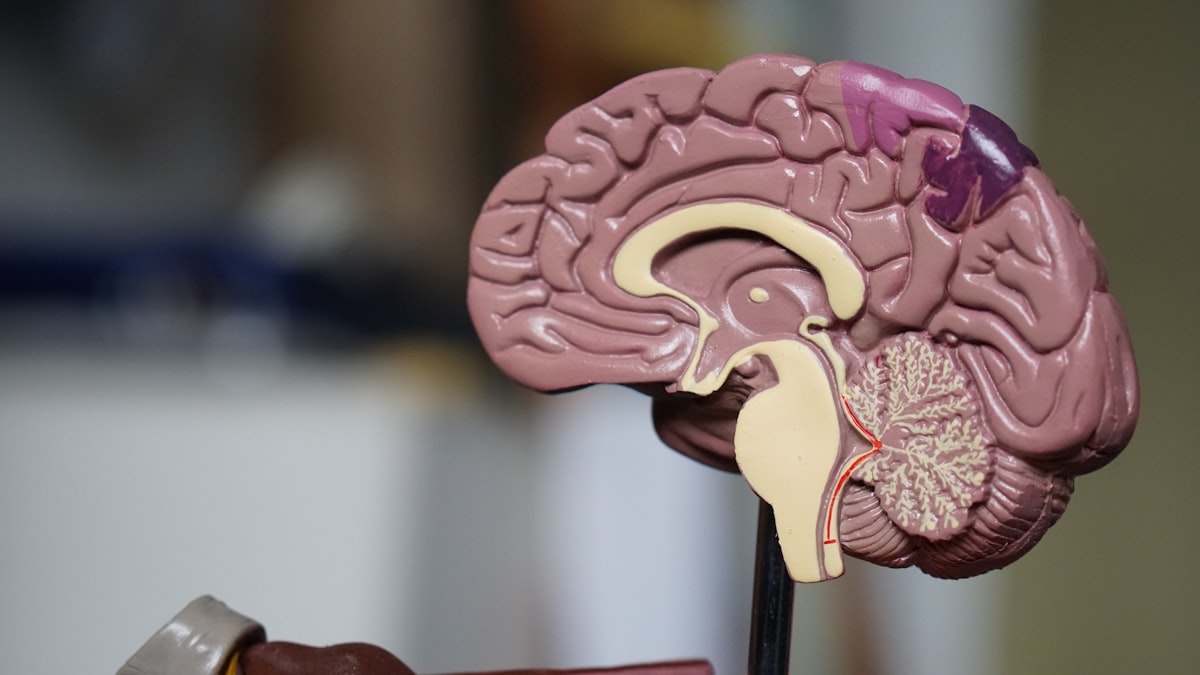
How Acute Inflammation Becomes Chronic
Inflammation is, at its core, the immune system’s response to perceived threat — whether that threat is a pathogen, a damaged cell, a toxin, or physical injury. The inflammatory cascade begins with pattern recognition: immune cells detect molecular signatures of damage or infection and release cytokines — signaling proteins that recruit more immune cells, increase blood flow to the affected area, raise local temperature, and trigger tissue repair. This is a beautifully calibrated system that has kept humans alive through millions of years of infection and injury.
The problem arises when the signals that should turn inflammation off don’t work properly, or when the triggers that turn it on are continuous rather than episodic. Modern life provides an unprecedented number of persistent inflammatory triggers: excess visceral fat (which secretes inflammatory cytokines continuously), ultra-processed foods (which activate inflammatory pathways through multiple mechanisms), chronic psychological stress (which elevates cortisol initially and then drives neuroinflammation chronically), sleep deprivation (which elevates inflammatory markers within days), gut dysbiosis and increased intestinal permeability (which allows bacterial products to leak into circulation), environmental toxins including air pollution, microplastics, and endocrine disruptors, and physical inactivity. None of these triggers produces a fever or visible swelling. All of them maintain a low-level inflammatory state that, sustained over years, causes cumulative damage to virtually every tissue in the body.
Inflammation and Heart Disease: The Original Connection
The cholesterol theory of heart disease — that LDL accumulates in artery walls and causes blockages — is only part of the story. The more complete picture emerged when researchers began asking why LDL deposits in some artery walls and not others, and why so many heart attacks occur in people with “normal” cholesterol. The answer is inflammation. Arterial plaque formation is not passive — it’s an active inflammatory process. LDL particles that have been oxidized by reactive oxygen species are recognized by immune cells as foreign, triggering an inflammatory response within the artery wall. Macrophages engulf the oxidized LDL and become foam cells, which form the core of atherosclerotic plaques. Inflammatory cytokines promote further plaque growth and, critically, plaque instability — increasing the likelihood of rupture, which is the immediate cause of most heart attacks.
The landmark JUPITER trial demonstrated this connection definitively. It enrolled over 17,000 people with normal LDL cholesterol but elevated hsCRP — a marker of systemic inflammation — and found that treating them with a statin (which has both cholesterol-lowering and anti-inflammatory effects) reduced heart attacks and strokes by 44%. The individuals who benefited most were those with the highest inflammation markers, not necessarily those with the highest cholesterol. Elevated hsCRP is now considered an independent cardiovascular risk factor, and a value above 2 mg/L is associated with significantly increased risk regardless of cholesterol levels.
The Diabetes-Inflammation Cycle
Type 2 diabetes and chronic inflammation exist in a bidirectional relationship that becomes a self-reinforcing cycle. Visceral fat — the metabolically active fat stored around abdominal organs — produces inflammatory cytokines including TNF-alpha and IL-6. These cytokines directly interfere with insulin receptor signaling in muscle, liver, and fat cells, promoting insulin resistance. As insulin resistance develops and hyperinsulinemia follows, this drives further fat storage, particularly visceral fat, generating more inflammation. The pancreas works harder to compensate with greater insulin output, eventually exhausting beta cells and producing overt type 2 diabetes.
But inflammation also causes direct damage to beta cells themselves. Elevated inflammatory markers in people without diabetes predict the development of type 2 diabetes years later, independent of traditional risk factors. This means that reducing systemic inflammation is not just a treatment for established diabetes — it’s a prevention strategy. The dietary patterns most associated with reduced diabetes risk — the Mediterranean diet, high-fiber whole-food diets, and diets low in ultra-processed food — are also the dietary patterns most consistently associated with lower inflammatory markers. The connection between diet quality and metabolic health operates substantially through inflammation. Our post on ultra-processed foods covers how specific food components drive this inflammatory-metabolic cascade.
Neuroinflammation: When the Brain Catches Fire
The brain was long thought to be “immune privileged” — protected from the immune system by the blood-brain barrier. This is partially true, but the brain has its own resident immune cells called microglia, which perform immune surveillance and inflammatory responses within neural tissue. When systemic inflammation is chronically elevated, inflammatory signals cross the blood-brain barrier (which becomes more permeable in the context of chronic inflammation), activate microglia, and trigger neuroinflammation — inflammation within brain tissue itself.
Neuroinflammation is now understood to be a central mechanism in several conditions previously thought to be purely neurological. Alzheimer’s disease, once understood primarily as a disease of amyloid plaques and tau tangles, is now recognized to have a major neuroinflammatory component — microglial activation, inflammatory cytokines, and compromised blood-brain barrier all appear earlier than the classical amyloid pathology and may drive it rather than simply accompany it. Depression similarly has a well-established inflammatory component: elevated inflammatory markers predict depression onset, anti-inflammatory interventions improve depression in a subset of patients, and the fatigue, cognitive slowing, social withdrawal, and reduced motivation that characterize depression can be reproduced experimentally by administering inflammatory cytokines to healthy individuals. This explains why many people become depressed during serious illness — it’s partly the immune system’s direct effect on the brain. Our detailed post on how chronic stress reshapes the brain covers the cortisol-inflammation-neuroinflammation pathway in depth.

The Gut as Inflammation’s Ground Zero
The gut lining is a single cell layer thick and represents the largest interface between the body’s interior and the external environment. When this barrier is intact, it allows digested nutrients to pass into circulation while keeping bacteria, bacterial products, and undigested food particles out. When it becomes compromised — a state variously called “leaky gut” or intestinal hyperpermeability — these substances cross into the bloodstream and trigger an immune response. Bacterial lipopolysaccharide (LPS), a component of the cell walls of gram-negative bacteria, is particularly potent: even small amounts in circulation drive chronic inflammation through Toll-like receptor 4 activation across multiple tissues simultaneously.
Intestinal permeability is increased by several modern-lifestyle factors: alcohol (which directly damages the gut lining), ultra-processed foods (which alter the microbiome and reduce mucus layer thickness), non-steroidal anti-inflammatory drugs like ibuprofen (taken chronically), chronic psychological stress (which increases gut permeability through the gut-brain axis), and low-fiber diets (which reduce the production of short-chain fatty acids that maintain the gut lining’s integrity). The gut microbiome — the trillions of bacteria residing in the large intestine — is a key regulator of intestinal barrier function and systemic inflammation. A diverse, fiber-rich microbiome produces anti-inflammatory short-chain fatty acids, regulates immune tone, and maintains the mucus layer. A dysbiotic microbiome, dominated by bacteria that thrive on processed food, does the opposite. Alcohol’s particular impact on the gut-liver-brain inflammatory axis is covered in our post on what alcohol actually does to the body.
Chronic Stress and the Inflammatory Cascade
The relationship between psychological stress and inflammation is bidirectional and well-documented. Acute stress activates the sympathetic nervous system and releases catecholamines (adrenaline and noradrenaline) which have rapid pro-inflammatory effects. Cortisol, which follows within minutes to hours, is primarily anti-inflammatory — this is why corticosteroid drugs (synthetic cortisol analogues) are powerful anti-inflammatory medications. In acute stress, this system is self-limiting: the inflammatory response rises, then cortisol suppresses it.
Under chronic stress, this regulation breaks down. Sustained cortisol exposure causes glucocorticoid resistance — cells become less responsive to cortisol’s anti-inflammatory signal, even as cortisol levels remain elevated. The result is a paradox: high cortisol but reduced anti-inflammatory effect, allowing pro-inflammatory cytokines to operate unchecked. Studies of caregivers under chronic stress, people with PTSD, and people in persistently demanding work environments show elevated hsCRP and IL-6, increased susceptibility to infection, and accelerated aging of immune cells. The mechanism connects psychological experience directly to cellular biology in a way that makes the mind-body distinction look increasingly artificial. Poor sleep — itself both a cause and consequence of chronic stress — independently elevates inflammatory markers within days of sleep restriction, adding another layer to the cycle. The sleep debt post covers the inflammatory consequences of sleep deprivation specifically.
Measuring Inflammation: What to Actually Test
High-sensitivity C-reactive protein (hsCRP) is the most accessible and widely validated marker of systemic inflammation. CRP is produced by the liver in response to inflammatory cytokines, primarily IL-6. Levels below 1 mg/L indicate low cardiovascular and metabolic risk; 1-3 mg/L indicates moderate risk; above 3 mg/L indicates high risk. Values above 10 mg/L typically indicate acute infection or injury rather than chronic low-grade inflammation. Other useful markers include IL-6 (more sensitive but less widely available), ferritin (which is an acute phase reactant elevated by inflammation in addition to iron stores), homocysteine (elevated by B vitamin deficiency and associated with inflammation and cardiovascular risk), and the neutrophil-to-lymphocyte ratio (NLR) which is increasingly recognized as a simple, low-cost inflammatory marker derivable from a standard CBC. Measuring these periodically provides a useful window into systemic inflammatory state that most standard health screenings miss.
The Anti-Inflammatory Toolkit: What the Evidence Actually Supports
Reducing chronic inflammation requires addressing its causes systematically — not just taking anti-inflammatory supplements. The interventions with the strongest evidence are largely the same lifestyle factors that improve every other aspect of metabolic and mental health.
Diet. The Mediterranean diet is the most extensively studied dietary pattern for inflammation reduction, with consistent evidence of lower hsCRP, IL-6, and other inflammatory markers. Its active components include olive oil (rich in oleocanthal, which inhibits the same enzyme as ibuprofen), fatty fish (omega-3 fatty acids EPA and DHA directly reduce inflammatory prostaglandin production), vegetables and fruits (polyphenols and antioxidants that neutralize reactive oxygen species and modulate inflammatory signaling), whole grains and legumes (fiber feeding anti-inflammatory gut bacteria), and nuts (anti-inflammatory fats and polyphenols). Conversely, the components of ultra-processed diets that most consistently elevate inflammation include refined carbohydrates and added sugar (which drive oxidative stress and AGE production), omega-6-rich seed oils in excessive amounts (which shift the omega-6/omega-3 ratio toward pro-inflammatory eicosanoid production), trans fats (now largely banned but still present in some processed foods), and emulsifiers and additives that disrupt the gut microbiome. Reducing seed oils and processed food while increasing omega-3 intake is one of the most evidence-backed dietary interventions for systemic inflammation — our post on the truth about seed oils covers the omega-6/omega-3 balance in detail.
Exercise. Regular moderate aerobic exercise reduces inflammatory markers including hsCRP and IL-6 — with reductions in hsCRP of 30-40% observed in multiple randomized controlled trials. The mechanism involves multiple pathways: exercise reduces visceral fat (a major source of inflammatory cytokines), improves insulin sensitivity (reducing the glucose-driven oxidative stress that drives inflammation), stimulates the production of anti-inflammatory myokines from contracting muscle (including IL-10 and IL-1ra), and improves gut microbiome diversity. Importantly, excessive high-intensity exercise without adequate recovery can acutely elevate inflammatory markers — the anti-inflammatory effect comes from consistent moderate exercise, not from pushing the body beyond its recovery capacity.
Sleep. Even one week of five-hour nights raises hsCRP and IL-6 significantly. Restoring sleep quality and duration to seven to nine hours is one of the most consistent ways to reduce systemic inflammatory markers. Sleep apnea, which fragments sleep and causes repeated hypoxia-reoxygenation cycles, is a powerful driver of systemic inflammation — treating it with CPAP reduces inflammatory markers substantially.
Stress management. Practices with consistent evidence for reducing inflammatory markers include mindfulness meditation (which reduces IL-6 and CRP in multiple RCTs), yoga and tai chi, time in nature, and social connection. The anti-inflammatory effect of these practices likely operates through reduced HPA axis activation and improved glucocorticoid sensitivity.

Supplements: The Supporting Cast
Several supplements have meaningful evidence for reducing inflammatory markers, though they work best as additions to an anti-inflammatory lifestyle rather than substitutes for one. Omega-3 fatty acids (EPA and DHA at doses of 2-4g per day) have robust evidence for reducing triglycerides, hsCRP, and multiple inflammatory cytokines. Magnesium deficiency is associated with elevated CRP, and correcting deficiency reduces inflammatory markers — a connection covered in our post on magnesium deficiency. Curcumin (from turmeric) inhibits NF-kB, a master transcription factor that regulates inflammatory gene expression, and has shown effects on hsCRP in multiple clinical trials — though bioavailability is poor without piperine (black pepper extract) or lipid-based formulations. Vitamin D deficiency is associated with elevated inflammatory markers, and correcting deficiency through supplementation reduces them. Resveratrol, quercetin, and berberine all show anti-inflammatory effects in studies, though the human evidence is less mature.
Inflammation as a Unifying Framework
The recognition of chronic low-grade inflammation as a common driver of most major modern diseases changes how we should think about prevention and treatment. Rather than treating heart disease, diabetes, depression, Alzheimer’s, and cancer as entirely separate conditions requiring entirely separate interventions, the inflammation framework suggests that addressing shared upstream drivers — diet quality, physical activity, sleep, stress, gut health, environmental toxins — may simultaneously reduce risk across all of these conditions. This is consistent with what the epidemiological data shows: people who eat Mediterranean-pattern diets, exercise regularly, sleep adequately, maintain healthy weight, and don’t smoke have dramatically lower rates of not just cardiovascular disease but of most chronic diseases simultaneously.
The conditions that accumulate in bodies living modern Western lifestyles — obesity, insulin resistance, high blood pressure, elevated triglycerides, low HDL — collectively constitute metabolic syndrome, which is both a driver and a consequence of chronic inflammation. The testosterone decline documented across the male population over the past three decades, covered in our post on why testosterone has dropped 30% in 30 years, is also partially driven by chronic inflammation — inflammatory cytokines directly suppress testosterone production at the level of both the testes and the hypothalamus. The connections run in every direction. The good news is that they also respond, together, to the same coherent set of lifestyle interventions — making the investment in addressing inflammation one of the highest-leverage health decisions available.