You’re sitting at your desk. The deadline passed an hour ago. Your heart rate is elevated, your shoulders are up around your ears, and you can’t remember the last time you took a deep breath. This is your nervous system in survival mode — and for millions of people, it never switches off.
Chronic stress is one of the most underestimated health threats of the modern era. Not because we don’t recognize it, but because we’ve normalized it. We mistake the state of constant low-grade activation for “just how life is.” But your biology didn’t evolve for this. The systems designed to save your life in short bursts are destroying it when left running indefinitely.
This article is a deep dive into the science of your autonomic nervous system — how it works, what happens when it gets stuck in “on,” and the evidence-based tools that can genuinely reset it. Understanding this one system may be the key to unlocking every other aspect of your health.
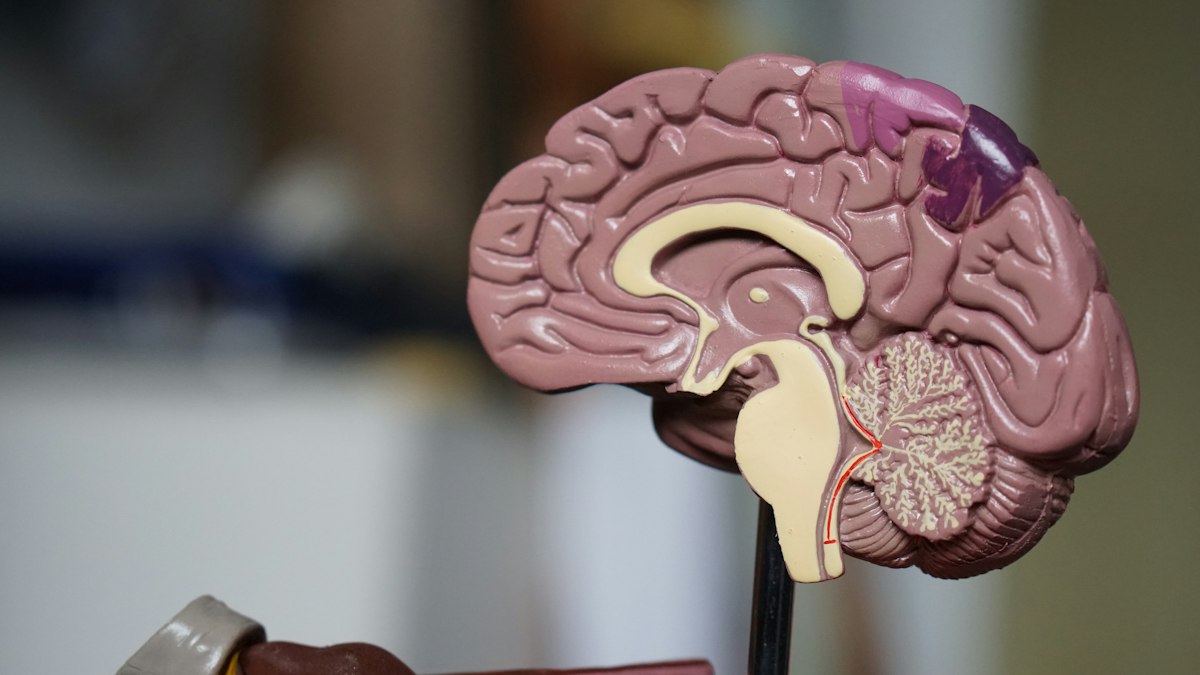
The Two-Branch System: SNS vs. PNS
Your autonomic nervous system (ANS) operates entirely below conscious awareness. It controls your heart rate, breathing, digestion, immune activity, hormonal secretion, and dozens of other essential functions — all without you having to think about it. It does this through two primary branches that are perpetually balanced against each other.
The sympathetic nervous system (SNS) is your accelerator — the “fight-or-flight” system. When activated, it floods your body with epinephrine (adrenaline) and norepinephrine, triggering a cascade of changes: heart rate spikes, blood pressure rises, breathing quickens, blood is redirected from your gut to your muscles, pupils dilate, and pain perception temporarily decreases. Your body is mobilized for immediate physical action. This system evolved to help you escape a predator.
The parasympathetic nervous system (PNS) is your brake — the “rest-and-digest” (or “feed-and-breed”) system. Its primary communication channel is the vagus nerve, the longest cranial nerve in the body, which wanders from your brainstem down through your heart, lungs, and all the way to your intestines. When the PNS is dominant, heart rate slows, digestion activates, immune function is enhanced, cellular repair proceeds, and the brain shifts into a mode of broader, more creative thinking.
The problem: these two systems are mutually inhibitory. You cannot be in full SNS activation and full PNS activation simultaneously. Under chronic stress, the SNS becomes constitutively active — constantly running — while the PNS is perpetually suppressed. This imbalance is at the root of most modern chronic disease.
The Stress Response Anatomy
When your brain perceives a threat — whether it’s a charging lion or a hostile email from your boss — the amygdala (your brain’s threat detection center) fires a signal to the hypothalamus. The hypothalamus immediately triggers two parallel stress responses:
Fast pathway (SAM axis): The sympatho-adrenal medullary (SAM) axis activates within milliseconds. Neural signals travel to the adrenal medulla, which secretes epinephrine and norepinephrine directly into the bloodstream. This is the “adrenaline rush” — immediate, powerful, short-lived.
Slow pathway (HPA axis): Simultaneously, the hypothalamic-pituitary-adrenal (HPA) axis activates. The hypothalamus releases corticotropin-releasing hormone (CRH), which signals the pituitary to release adrenocorticotropic hormone (ACTH), which in turn signals the adrenal cortex to secrete cortisol. This takes minutes to peak but has effects lasting hours. Cortisol is the sustained stress hormone — the one that does the most long-term damage when chronically elevated.
The HPA Axis and Cortisol: Your Stress Master Switch
Cortisol gets a bad reputation, and when chronically elevated, it deserves it. But in its proper context, cortisol is essential for survival. It raises blood glucose by promoting gluconeogenesis (making new glucose from amino acids and fats), suppresses inflammation to prevent tissue damage during injury, enhances memory consolidation of threatening events (so you remember not to repeat them), and mobilizes fat stores for energy.
The problem is that cortisol evolved for short-term, acute threats. When it runs continuously for months or years — as it does in chronically stressed modern humans — the consequences are catastrophic. Research published in Endocrine Reviews has documented what chronic HPA activation does to virtually every organ system:
Brain: Cortisol promotes neuronal death in the hippocampus (memory center) and prefrontal cortex (executive function). Chronic stress literally shrinks these regions, impairing memory, decision-making, and emotional regulation. This connection to sleep quality deterioration creates a vicious cycle — poor sleep elevates cortisol, which further damages sleep architecture.
Metabolic: Cortisol directly drives insulin resistance by counteracting insulin signaling. It promotes visceral fat accumulation (the dangerous kind around your organs) through glucocorticoid receptors that are highly concentrated in abdominal adipose tissue. This is why belly fat and stress are so intimately linked.
Immune: Acute cortisol is anti-inflammatory. But chronic cortisol paradoxically promotes chronic inflammation — the immune system develops cortisol resistance (downregulating glucocorticoid receptors), then inflammatory cytokines run unchecked. This is why chronically stressed people get sick more often and heal more slowly.
Cardiovascular: Chronic SNS activation elevates baseline heart rate and blood pressure, stiffens arterial walls, promotes arterial plaque formation, and creates electrical instability in the heart (increasing arrhythmia risk). A 2017 landmark study in The Lancet found that amygdala activity — a proxy for stress reactivity — directly predicted cardiovascular events through arterial inflammation.
Reproductive: Cortisol suppresses testosterone through multiple mechanisms: reducing GnRH pulsatility, decreasing LH secretion, and directly inhibiting Leydig cell testosterone production. Chronic stress is one of the fastest routes to hormonal dysfunction in both men and women.
Allostatic Load: The Cumulative Toll
Researchers Bruce McEwen and Eliot Stellar introduced the concept of allostatic load in 1993 — the cumulative biological “wear and tear” from chronic stress. Allostasis is the process of achieving stability through change (like raising blood pressure when needed). Allostatic load is what accumulates when your body has to make too many of these adjustments too often for too long.
High allostatic load is measured through a composite of biomarkers: cortisol levels, norepinephrine, blood pressure, waist-to-hip ratio, HbA1c, HDL cholesterol, CRP (inflammatory marker), and others. Studies consistently show that high allostatic load predicts all-cause mortality, cognitive decline, and accelerated aging more reliably than any single biomarker alone.

Polyvagal Theory: A More Nuanced Map of the Nervous System
In the 1990s, neuroscientist Stephen Porges developed Polyvagal Theory, which added significant nuance to our understanding of the ANS. The traditional SNS/PNS binary misses an important third state.
Porges identified that the vagus nerve itself has two distinct components with different evolutionary ages and functions:
Ventral vagal complex (VVC): The evolutionarily newer, myelinated (fast) portion of the vagus. When active, it produces the “social engagement system” — calm alertness, facial expressiveness, the ability to connect with others, a sense of safety. This is the optimal state for human functioning: neither shut down nor in fight-or-flight.
Dorsal vagal complex (DVC): The evolutionarily ancient, unmyelinated portion. Under extreme or prolonged threat, when fight-or-flight is not possible, the DVC produces a freeze/shutdown response — dissociation, emotional numbness, exhaustion, and depression. This is the nervous system’s last resort: “playing dead” to survive.
Polyvagal Theory maps chronic stress as a progression: from ventral vagal safety → sympathetic mobilization (anxiety, fight-or-flight) → dorsal vagal shutdown (depression, burnout, chronic fatigue). Many people oscillate between the sympathetic and dorsal states without ever returning to stable ventral vagal regulation.
Heart Rate Variability: Measuring Your Vagal Tone
The best non-invasive measure of ANS balance is heart rate variability (HRV) — the millisecond-to-millisecond variation in the interval between heartbeats. Counterintuitively, more variability is better. High HRV indicates the vagus nerve is actively modulating heart rate, a sign of a healthy, flexible nervous system capable of rapidly shifting between states as needed.
Low HRV — a rigid, predictable heartbeat — indicates sympathetic dominance and reduced vagal tone. Meta-analyses consistently show that low HRV predicts cardiovascular disease, all-cause mortality, depression, anxiety, post-traumatic stress, and inflammatory diseases. HRV declines with age but is highly modifiable through the interventions described below.
You can now track HRV at home using consumer wearables (Whoop, Garmin, Apple Watch, Oura Ring). Serial tracking over weeks reveals the cumulative impact of lifestyle choices — sleep quality, alcohol, exercise, stress events — on your nervous system state in real time.
How Chronic Stress Damages Every Body System
Beyond the specific mechanisms already described, chronic sympathetic dominance creates a comprehensive pattern of dysfunction that touches every major system:
Digestive System: The Gut-Brain Axis Disruption
The enteric nervous system — sometimes called “the second brain” — contains more neurons than the spinal cord and is in constant bidirectional communication with the brain via the vagus nerve. Chronic sympathetic activation suppresses digestive secretions, slows intestinal motility, reduces blood flow to the gut, and compromises the intestinal barrier (increasing “leaky gut”). The result: irritable bowel syndrome, GERD, altered gut microbiome composition, and impaired nutrient absorption. Low-grade gut-derived inflammation then feeds back to the brain, increasing anxiety and stress reactivity — a true vicious cycle.
Sleep Architecture: The Cortisol-Sleep Cycle
Cortisol and melatonin are on opposing schedules — cortisol should peak in the morning and melatonin at night. Chronic stress disrupts this rhythm. Elevated evening cortisol suppresses melatonin release and keeps the brain in an arousal state incompatible with sleep onset. Poor sleep then elevates the next day’s cortisol, degrading the circadian rhythm further. Research shows that just one night of poor sleep increases inflammatory cytokines enough to produce measurable mood deterioration the following day.
Immune Dysregulation
The stress-immune connection is bidirectional. Acute stress briefly enhances certain immune functions (a feature for injury risk). Chronic stress produces immune dysregulation: reduced natural killer cell activity (your first line of defense against viruses and cancer cells), impaired antibody production, and paradoxical chronic low-grade inflammation (as cortisol resistance develops). Studies on caregivers, people in difficult relationships, and shift workers all show compromised immune function directly attributable to chronic psychological stress.
Cognitive Function: The Stressed Brain
Chronic stress creates a predictable cognitive profile: narrowed attention (hypervigilance to threat, difficulty with broad perspective), impaired working memory, reduced cognitive flexibility, poor decision-making, and heightened emotional reactivity. The prefrontal cortex — the seat of rational thought, impulse control, and long-term planning — literally atrophies under chronic glucocorticoid exposure. Meanwhile, the amygdala hypertrophies (grows larger), making the brain more reactive and threat-focused. This is why stressed people make worse decisions and feel more emotionally volatile — their brain has literally remodeled around threat detection.
The Evidence-Based Reset Toolkit
Here is what the research actually supports for downregulating the stress response and restoring ANS balance. These are not relaxation tips — they are physiological interventions with documented effects on HRV, cortisol, inflammatory markers, and brain structure.
1. Diaphragmatic Breathing and Resonance Frequency Breathing
The vagus nerve is activated by every inhalation and exhalation — the heart naturally speeds up on inhale (SNS influence) and slows on exhale (PNS influence). Slow, diaphragmatic breathing at approximately 5-6 breaths per minute (about 5 seconds in, 5 seconds out) creates “resonance frequency” — a state where breathing, heart rate, and blood pressure oscillate in synchrony, maximally stimulating vagal activity and producing the largest HRV increases of any known intervention.
A 2017 meta-analysis in Frontiers in Psychology found that resonance frequency breathing reliably increases HRV, reduces cortisol, decreases anxiety, and improves attention. The effects are immediate (measurable within minutes) and cumulative (regular practice produces lasting ANS changes). Breathing is unique in the autonomic repertoire — it’s the one ANS function you can also control voluntarily, making it a direct lever on your otherwise automatic nervous system.
2. Exercise: The Acute Stress That Prevents Chronic Stress
Exercise is a paradox: it acutely activates the SNS, spiking cortisol and epinephrine. But regular exercise is one of the most powerful antidotes to chronic stress. This works through several mechanisms:
First, exercise trains the HPA axis to be more efficient — the stress response becomes more proportionate and resolves more quickly (reduced “stress reactivity”). Second, exercise increases BDNF (brain-derived neurotrophic factor), which promotes hippocampal neurogenesis, literally reversing stress-induced brain shrinkage. Third, aerobic exercise significantly increases basal HRV — athletes have some of the highest HRVs ever measured. Fourth, exercise depletes stress hormones accumulated during psychological stress, providing genuine biochemical discharge for the threat response. Combining this with the muscle-preserving benefits of protein creates a comprehensive approach to stress-driven metabolic damage.
3. Cold Exposure: Vagal Stimulation Through Controlled Threat
Brief cold water immersion (cold showers, ice baths) has emerged as a surprisingly robust vagal tonic. The dive reflex — triggered by cold water on the face — directly activates the vagus nerve through facial vagal afferents, causing immediate heart rate deceleration. Regular cold exposure trains the stress response to be more controlled: the initial spike becomes smaller over time, and the recovery faster.
Research from the Radboud University Medical Center found that subjects who practiced cold showers reported less sick days and higher subjective energy levels. While HRV studies on cold exposure are ongoing, the norepinephrine increase (200-300%) from cold exposure provides mood-boosting and attention-enhancing effects that may partially explain the widespread anecdotal enthusiasm for cold therapy.
4. Nature Exposure: The Attention Restoration Effect
The Japanese practice of Shinrin-yoku (forest bathing) has been extensively studied, and the results are compelling. Spending time in natural environments — even relatively briefly — produces measurable reductions in cortisol, blood pressure, sympathetic nerve activity, and inflammatory markers, while increasing NK cell activity and parasympathetic tone.
The mechanisms involve multiple sensory channels: phytoncides (volatile organic compounds from trees) have been shown to directly increase NK cell activity. The visual environment of nature contains the “soft fascination” patterns (fractals, movement) that engage attention effortlessly without the directed-attention demands of urban environments, allowing attentional restoration. Even 20 minutes in a park produces measurable cortisol reduction.
5. Social Connection: The Ventral Vagal Activator
Polyvagal Theory identifies co-regulation — the ANS modulation that occurs during safe social connection — as the primary way mammals regulate their nervous systems. The ventral vagal state is, by design, a social state. Safe eye contact, prosodic voice (the melodic quality of a calm, friendly voice), gentle touch, laughter, and emotional attunement all directly activate the ventral vagal complex.
Research by Julianne Holt-Lunstad found that social isolation is a stronger predictor of premature death than obesity, physical inactivity, or smoking. Loneliness chronically activates the SNS and HPA axis — the brain interprets social isolation as a survival threat. Conversely, oxytocin (released during positive social contact) directly inhibits amygdala reactivity and HPA axis activation, providing genuine biological stress buffering.

6. Mindfulness and Meditation: Cortical Downregulation of the Amygdala
A 2011 study by Sara Lazar at Harvard found that 8 weeks of mindfulness-based stress reduction (MBSR) produced measurable changes in brain structure: decreased amygdala volume (less stress reactivity), increased prefrontal cortex density (better emotional regulation), and increased insula thickness (better interoceptive awareness). These are the opposite changes to those produced by chronic stress.
Meditation works by activating the prefrontal cortex to downregulate the amygdala — essentially strengthening the brain’s own stress-suppression circuits. Regular practitioners show lower baseline cortisol, faster cortisol recovery after acute stress, and higher basal HRV. The dose-response is modest but reliable: even 10-15 minutes daily produces measurable effects within 2-4 weeks.
7. Sleep: The Foundation of Stress Recovery
Sleep is when the ANS resets. During deep slow-wave sleep, sympathetic activity drops to its lowest daily levels and parasympathetic activity dominates. The lymphatic system clears metabolic waste from the brain. The HPA axis downregulates. Growth hormone surges, initiating cellular repair. Chronic sleep restriction prevents this recovery cycle, keeping allostatic load perpetually elevated.
The sleep debt crisis and the chronic stress epidemic are inseparable. Every hour of sleep below optimal increases the following day’s stress reactivity. Sleep hygiene is therefore not merely a sleep issue but a fundamental stress management intervention. Magnesium glycinate at 300-400mg before bed supports both sleep quality and cortisol regulation through its role in HPA axis modulation.
The Mind-Body Feedback Loop: Connecting It All
What makes the nervous system the master regulator of health is that it doesn’t operate in isolation — it creates feedback loops with every other system we’ve discussed throughout this series.
Chronic SNS activation drives systemic inflammation → inflammation feeds back to the brain, increasing amygdala reactivity and perceived stress. Stress drives insulin resistance through cortisol → insulin resistance drives metabolic inflammation → which further stresses the body. Stress suppresses testosterone → low testosterone increases stress vulnerability → creating hormonal fragility. Stress disrupts the circadian rhythm → disrupted circadian rhythm impairs cortisol regulation → further dysregulating the HPA axis.
This is not a linear chain but a web of mutually reinforcing dysregulation. The good news: it also means that intervening at any point can create positive cascades throughout the system.
The Perception Problem: Perceived Stress Matters as Much as Actual Stress
One of the most counterintuitive findings in stress research is that perceived stress — how much you believe stress is harming you — may matter as much as objective stress levels. A landmark 8-year study published in Health Psychology followed 30,000 Americans and found that high stress increased mortality risk by 43%, but only in people who believed stress was harmful. High-stress individuals who did not believe stress was damaging had the lowest mortality risk in the entire study — lower even than low-stress participants.
This doesn’t mean stress has no biological effects. It means the cognitive appraisal of stress — challenge vs. threat, controllable vs. uncontrollable, meaningful vs. meaningless — activates different neuroendocrine profiles. A challenge response (I have the resources to handle this) produces a cortisol spike without the vasoconstrictive effects of a threat response. Reframing capacity is a genuine physiological intervention, not just positive thinking.
Practical Protocol: Resetting Your Nervous System
Based on the evidence, here is a practical daily structure for shifting ANS balance:
Morning: Avoid checking your phone for the first 30 minutes after waking — the morning is when cortisol naturally peaks (cortisol awakening response), and immediate news/email inputs can spike it further before you’ve had a chance to orient to the day. Light exposure within 30 minutes of waking sets the cortisol rhythm. A brief cold shower (30-60 seconds) deploys the dive reflex and sets a controlled-stress tone for the day.
Throughout the day: Practice “physiological sighs” — a double inhale through the nose followed by a long exhale — which are the fastest known way to reduce acute stress (one breath can reduce arousal measurably). Set a reminder every 90 minutes to check your breathing and consciously slow it. Take a 20-minute walk outdoors if possible — nature exposure plus movement provides dual ANS benefit.
Evening: Begin downregulating 2 hours before sleep. Dim lights, eliminate blue light screens, lower ambient temperature. 5 minutes of resonance frequency breathing (5-second inhale, 5-second exhale) before sleep activates the vagal brake and improves sleep onset quality measurably. Avoid alcohol — despite its sedating effect, alcohol fragments sleep architecture and elevates next-day cortisol.
Weekly: 3-5 sessions of moderate aerobic exercise (zone 2 intensity — able to hold a conversation) produces the most robust long-term HRV improvements. Social connection with safe, supportive people at least 2-3 times weekly. One extended nature exposure session (1+ hour) if possible.
When to Seek Help: Recognizing Nervous System Dysregulation
Some patterns suggest nervous system dysregulation that benefits from professional support beyond lifestyle intervention:
Trauma history — adverse childhood experiences (ACEs) produce lasting HPA axis changes that make the stress response persistently hyperreactive. Somatic therapies (EMDR, somatic experiencing, Sensorimotor Psychotherapy) address the body-level stress storage that cognitive therapies may not fully reach.
Adrenal fatigue syndrome — a controversial but clinically observed pattern where the HPA axis appears to chronically underrespond after prolonged overactivation. Morning cortisol is abnormally low, fatigue is pervasive, and recovery from minor stressors takes disproportionately long. This aligns closely with the chronic fatigue pattern.
Anxiety disorders and PTSD — represent clinically significant ANS dysregulation where the amygdala threat response is hypersensitized and the PFC’s downregulatory capacity is insufficient. Combination of pharmacotherapy, somatic work, and the lifestyle interventions above is typically most effective.
The Bottom Line: Your Nervous System Is Modifiable
Here is the most important thing to understand: your autonomic nervous system is not a fixed system. It is extraordinarily plastic — capable of change at any age through consistent inputs. The same neuroplasticity that allows chronic stress to remodel your brain toward threat sensitivity also allows targeted interventions to remodel it toward regulation and resilience.
The techniques in this article are not temporary fixes. Practiced consistently over weeks and months, they produce measurable changes in brain structure, HPA axis reactivity, vagal tone, inflammatory markers, and allostatic load. They address the root cause of much of the chronic disease burden in modern life — not by eliminating stressors, which is impossible, but by fundamentally changing how your biology responds to them.
In the context of everything else we’ve explored in this series — inflammation, metabolic health, sleep, hormones, nutrition — the nervous system is the master regulator. Getting it right doesn’t just reduce stress. It makes every other health intervention more effective, and creates the physiological foundation for genuine resilience.
Your nervous system learned to be stuck. With the right inputs, it can learn to be free.