Somewhere between 40 and 50 percent of American adults are either diabetic or pre-diabetic. Most of them don’t know it. The condition driving both — insulin resistance — is now so common that researchers have begun calling it the defining metabolic disorder of the 21st century. Yet most people have never heard a clear explanation of what it actually is, why it develops, or what it means for their health beyond a vague warning about sugar.
Insulin resistance isn’t a disease that appears suddenly. It develops over years — often decades — through the accumulation of metabolic stress that slowly degrades the body’s ability to respond to one of its most critical hormones. By the time a diagnosis of type 2 diabetes arrives, the underlying dysfunction has typically been present for 10-15 years. The tragedy is that the window for intervention is wide, the mechanisms are well understood, and the reversal is achievable — but only if you understand what’s actually happening.
What Insulin Actually Does
To understand insulin resistance, you first need to understand what insulin does when it’s working properly. Insulin is a peptide hormone secreted by beta cells in the pancreas in response to rising blood glucose. Its primary job is to facilitate glucose uptake into cells — muscle, fat, and liver tissue — by binding to insulin receptors on the cell surface and triggering a cascade of signaling events that allow glucose transporters (primarily GLUT4 in muscle and fat) to move to the cell surface.
But insulin does far more than move glucose. It’s a profound anabolic signal that stimulates protein synthesis, promotes fat storage (by activating enzymes that convert glucose and fatty acids into triglycerides), suppresses lipolysis (the breakdown of stored fat), and regulates dozens of other metabolic processes including inflammation, cell growth, and kidney function. In a healthy system, insulin rises after a meal to handle the incoming glucose load, then falls as glucose is cleared, allowing the body to shift into a fat-burning mode between meals.
Insulin resistance means the cells are not responding normally to this signal. It’s not that there’s no insulin — initially, there’s often too much. When cells become resistant, the pancreas compensates by producing more insulin to overcome the blunted response. For years or decades, it can maintain something close to normal blood glucose levels through this compensatory hyperinsulinemia. The blood glucose looks fine on a standard test. But the elevated insulin itself is driving a cascade of downstream damage.
The Mechanisms: How Insulin Resistance Develops
Insulin resistance doesn’t have a single cause — it’s the convergence of several pathways that each degrade insulin signaling at the cellular level. Understanding these mechanisms explains why so many seemingly unrelated lifestyle factors all contribute to the same condition.
Ectopic Fat Accumulation
The most well-established mechanism involves the accumulation of fat in tissues that aren’t designed to store it — primarily skeletal muscle and the liver. When these cells are overloaded with lipid, particularly diacylglycerol (DAG) and ceramides, these lipid intermediates directly interfere with insulin signaling. DAG activates protein kinase C (PKC), which phosphorylates the insulin receptor substrate (IRS-1) at serine rather than tyrosine residues — essentially jamming the signal transduction cascade that insulin normally triggers.
This explains why visceral fat — the fat stored around abdominal organs — is so metabolically damaging compared to subcutaneous fat. Visceral fat is highly lipolytic, constantly releasing free fatty acids into the portal circulation that flows directly to the liver. This creates a state of chronic hepatic fat overload that drives liver insulin resistance, which in turn impairs the liver’s ability to suppress glucose production after meals — one of the hallmarks of progressing metabolic dysfunction. The connection to belly fat accumulation is direct and bidirectional.
Mitochondrial Dysfunction
Healthy mitochondria are essential for insulin sensitivity because they’re responsible for oxidizing glucose and fatty acids efficiently. When mitochondrial function is impaired — whether through sedentary behavior, chronic inflammation, oxidative stress, or simple aging — the cell’s ability to clear incoming fuel is reduced. Substrates back up, lipid intermediates accumulate, and insulin signaling degrades. Exercise is the most powerful intervention for restoring mitochondrial function and density, which is a major reason why physical activity so consistently improves insulin sensitivity even without weight loss.
Chronic Inflammation as a Driver
Chronic low-grade inflammation directly impairs insulin signaling through multiple pathways. Inflammatory cytokines — particularly TNF-α and IL-6, which are released by visceral fat, liver macrophages, and other tissues — activate serine kinases (IKK-β, JNK) that phosphorylate IRS-1 at serine residues, the same jamming mechanism that lipid overload triggers. This creates a vicious cycle: insulin resistance promotes fat accumulation and metabolic stress, which drives inflammation, which worsens insulin resistance.
The gut microbiome’s role has become increasingly clear. Gut dysbiosis — the disruption of the gut’s microbial ecosystem — increases intestinal permeability, allowing bacterial endotoxins (lipopolysaccharide, or LPS) to enter systemic circulation. LPS binds to toll-like receptor 4 (TLR4) on immune cells and metabolic tissues, triggering inflammatory signaling that directly impairs insulin sensitivity. This is one mechanism through which ultra-processed food diets — which devastate microbiome diversity — promote insulin resistance beyond their caloric contribution.
Cortisol, Sleep, and Stress
Cortisol is a counter-regulatory hormone that directly opposes insulin’s action — it promotes glucose production in the liver, impairs glucose uptake in muscle, and drives fat accumulation in visceral depots. Chronically elevated cortisol from psychological stress, sleep deprivation, or HPA axis dysregulation creates a state of persistent insulin resistance that is largely independent of diet. Research consistently shows that sleep deprivation of even a few days can reduce insulin sensitivity by 20-25% in otherwise healthy individuals. The cortisol-insulin connection is one of the most underappreciated drivers of metabolic disease.
The Hidden Costs of Compensatory Hyperinsulinemia
The conventional medical framing treats insulin resistance as a precursor to diabetes — something to worry about when blood glucose rises. But this framing misses the damage that elevated insulin itself is doing long before glucose becomes abnormal. Hyperinsulinemia — chronically high insulin — is not benign compensation. It’s an active driver of pathology.
Chronically elevated insulin promotes cell proliferation and inhibits apoptosis (programmed cell death) through the PI3K/Akt/mTOR pathway. This creates a permissive environment for cancer growth — insulin acts as a growth factor, and many cancer cells overexpress insulin receptors. The epidemiological evidence linking hyperinsulinemia to cancers of the colon, breast, prostate, and endometrium is substantial. The cancer connection is part of why researchers like Dr. Jason Fung argue that treating insulin resistance is a cancer-prevention strategy, not just a diabetes-prevention strategy.
Hyperinsulinemia also suppresses sex hormone binding globulin (SHBG) production in the liver. SHBG binds to testosterone and estrogen in circulation, regulating how much is biologically active. When insulin is chronically elevated, SHBG falls, which alters the balance of sex hormone activity — contributing to PCOS in women (where excess free androgens drive the characteristic symptoms) and potentially worsening testosterone dysregulation in men. The connection between metabolic health and hormonal health runs directly through insulin.
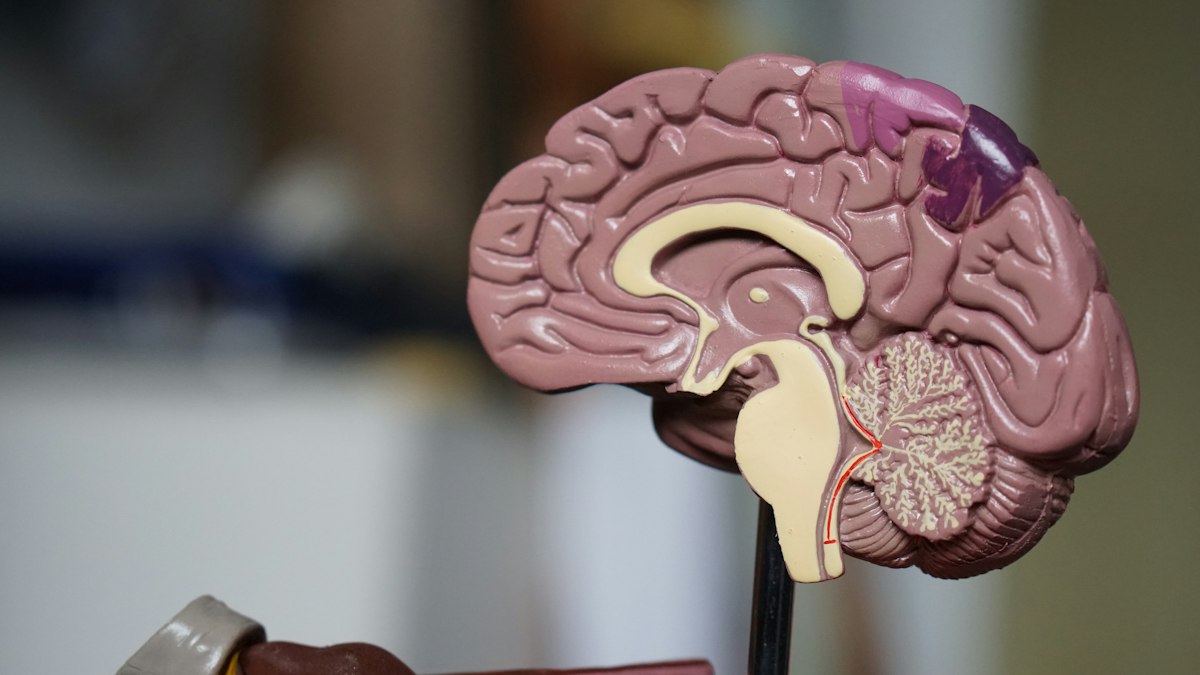
In the brain, insulin receptors are abundant in the hippocampus and prefrontal cortex. Brain insulin signaling regulates synaptic plasticity, neuroinflammation, and the clearance of amyloid beta — the protein that accumulates in Alzheimer’s disease. Impaired brain insulin signaling is now considered a central feature of Alzheimer’s pathology; some researchers have begun calling it “type 3 diabetes.” Insulin resistance in the periphery is associated with impaired cognitive function, accelerated brain aging, and significantly increased Alzheimer’s risk.

How to Detect Insulin Resistance Before It’s “Diabetes”
Standard fasting glucose and HbA1c tests miss insulin resistance until the pancreas has been significantly stressed. By the time fasting glucose is elevated, significant metabolic damage has already occurred. There are better markers to look for.
Fasting insulin is the most direct test. A fasting insulin below 5 mIU/L is optimal; above 10 mIU/L suggests significant insulin resistance even if glucose is normal. Most conventional lab panels don’t include fasting insulin — you often have to request it specifically. This single test provides more early-warning metabolic information than fasting glucose.
HOMA-IR (Homeostatic Model Assessment of Insulin Resistance) uses both fasting glucose and fasting insulin: (fasting glucose in mmol/L × fasting insulin in mIU/L) / 22.5. A score below 1.0 is excellent; above 2.0 indicates insulin resistance; above 2.5 is moderate resistance; above 5.0 is severe.
Triglyceride-to-HDL ratio is a surprisingly good proxy for insulin resistance. When insulin signaling is impaired, the liver produces more VLDL (which breaks down into triglycerides) while HDL production falls. A ratio above 2.0 (in mg/dL) is associated with insulin resistance; below 1.0 is optimal. This marker is readily available on any standard lipid panel.
Waist circumference is the simplest screening tool. Waist above 35 inches in women or 40 inches in men is strongly associated with visceral fat accumulation and insulin resistance. Unlike BMI, waist circumference directly reflects the metabolically active visceral fat depot that drives hepatic insulin resistance.
A 2-hour oral glucose tolerance test (OGTT) with insulin measurement is the gold standard for detecting both glucose dysregulation and insulin resistance. Most doctors don’t routinely order this, but for anyone with metabolic risk factors (family history of diabetes, obesity, PCOS, fatty liver, cardiovascular disease), it provides far more information than fasting glucose alone.
Reversing Insulin Resistance: What the Evidence Shows
Insulin resistance is not a one-way door. The mechanisms that create it are largely reversible through targeted interventions. The body retains the capacity to restore insulin sensitivity at virtually any stage of pre-diabetes and even in early type 2 diabetes. Understanding which interventions work through which mechanisms helps prioritize what matters most.
Exercise: The Most Powerful Single Intervention
A single bout of exercise can improve insulin sensitivity for 24-72 hours through multiple mechanisms: muscle contraction activates GLUT4 translocation independently of insulin (via AMPK), depletes muscle glycogen (creating storage capacity for incoming glucose), improves mitochondrial function, and reduces inflammatory cytokines. Both aerobic exercise and resistance training improve insulin sensitivity, but they work through different mechanisms and their benefits are additive.
Resistance training is particularly important as people age because it preserves and builds skeletal muscle mass — and skeletal muscle is the largest insulin-sensitive tissue in the body, responsible for 70-80% of post-meal glucose disposal. Every decade of inactivity after 30 results in significant muscle loss (sarcopenia), which directly reduces the body’s glucose disposal capacity and contributes to progressively worsening insulin sensitivity. The longevity research on muscle mass and metabolic health is unambiguous: muscle isn’t just cosmetic — it’s metabolically essential.
Dietary Strategies
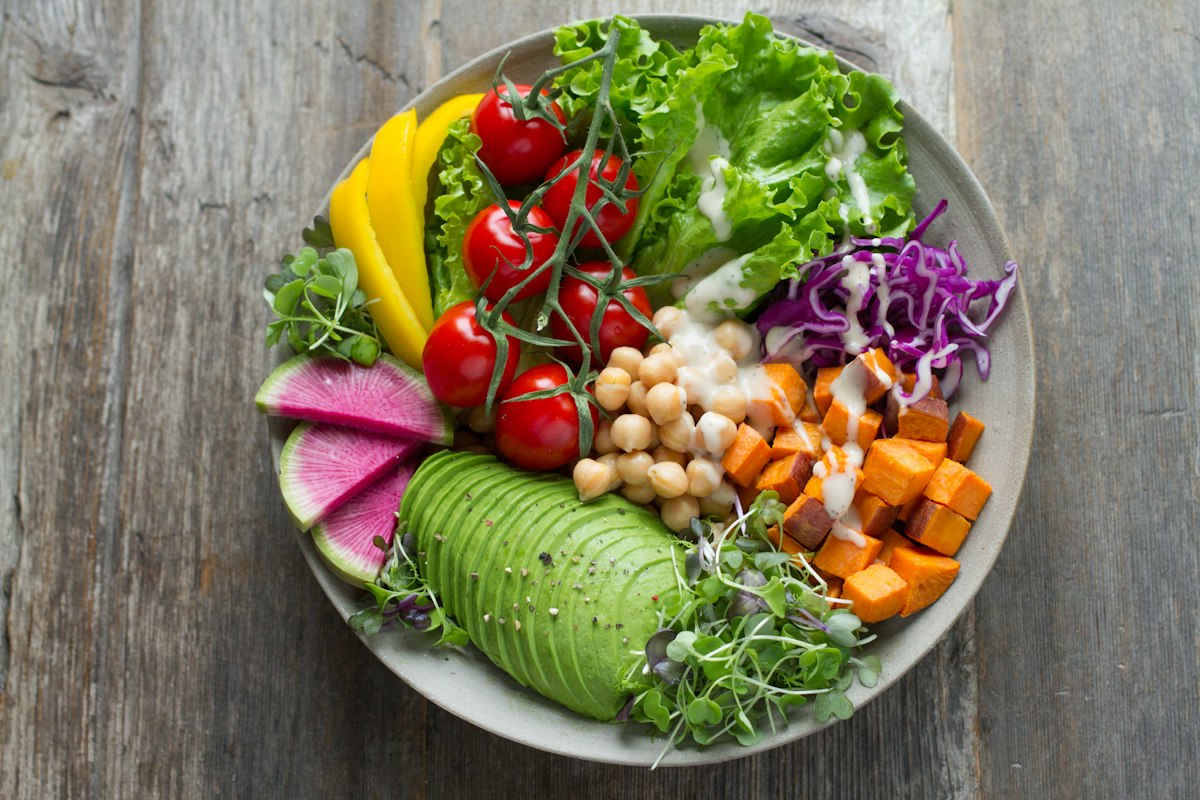
Reducing refined carbohydrates and sugar is the most direct nutritional approach because these foods drive the largest insulin spikes and are most readily converted to hepatic fat when consumed in excess. But the evidence doesn’t support a single “correct” dietary pattern — Mediterranean diets, low-carbohydrate diets, and plant-based diets all improve insulin sensitivity when they reduce processed food intake, provide adequate fiber (which slows glucose absorption and feeds beneficial gut bacteria), and maintain caloric appropriateness.
Food quality matters enormously. Ultra-processed foods worsen insulin resistance through multiple mechanisms beyond their glycemic load: they disrupt the gut microbiome, drive chronic inflammation, and create eating patterns (hyperpalatability, rapid consumption) that overwhelm normal satiety signaling. Whole foods that contain intact fiber matrices slow glucose absorption and provide the micronutrients (including magnesium, chromium, and zinc) that are essential cofactors for insulin signaling.
Time-restricted eating improves insulin sensitivity even without calorie restriction, likely through circadian mechanisms — aligning food intake with the body’s most insulin-sensitive window (morning and midday) and allowing an extended overnight fast that promotes hepatic fat clearance and insulin receptor resensitization.
Sleep and Stress
Addressing sleep and stress is not optional in insulin resistance management — it’s foundational. Even a perfect diet and exercise regimen cannot fully overcome the insulin-desensitizing effects of chronic cortisol elevation and sleep deprivation. Studies show that normalizing sleep (both duration and quality) improves insulin sensitivity within days. Stress management practices — meditation, nature exposure, social connection — reduce HPA axis activity and cortisol output in ways that directly improve insulin signaling. Circadian alignment — consistent sleep timing, morning light exposure, early caloric front-loading — reinforces the metabolic benefits of all other interventions.
Pharmacological Support
Metformin remains the most evidence-backed medication for insulin resistance, working primarily by reducing hepatic glucose production and activating AMPK (which mimics some of the cellular effects of exercise). GLP-1 receptor agonists (semaglutide, tirzepatide) have demonstrated remarkable effects on insulin resistance, visceral fat reduction, and metabolic inflammation, and are increasingly being studied for their benefits beyond weight loss. However, medications work best as adjuncts to lifestyle change, not substitutes for it — they don’t address the underlying mechanisms driving insulin resistance the way exercise and dietary change do.
The Metabolic Syndrome Connection
Insulin resistance is the central pathology underlying metabolic syndrome — the clustering of visceral obesity, elevated triglycerides, low HDL, elevated blood pressure, and elevated fasting glucose that multiplicatively increases cardiovascular disease risk. Each component of metabolic syndrome has insulin resistance at its root: the elevated triglycerides (from hepatic lipogenesis driven by excess insulin), the low HDL (from impaired reverse cholesterol transport), the hypertension (from insulin’s effects on the kidney, sodium retention, and sympathetic nervous system activation), and the central fat accumulation.
This unified pathological mechanism explains why treating cardiovascular risk factors individually — a statin for cholesterol, a diuretic for blood pressure — while ignoring underlying insulin resistance is treating symptoms rather than causes. The epidemiological data on metabolic syndrome and cardiovascular events is stark: having three or more metabolic syndrome criteria increases cardiovascular event risk by 2-3 fold compared to having none, largely independently of conventional risk factors.
The Scope of the Problem — and the Opportunity
The insulin resistance epidemic is not inevitable. Across populations where physical activity is high, ultra-processed food intake is low, and sleep is adequate, insulin resistance rates are dramatically lower than in Westernized societies — even among older adults. The mechanisms of insulin resistance are largely products of the mismatch between our evolutionary biology and the modern environment, not immutable biology.
This matters because it means the solution is available to most people who understand the problem. Not pharmaceutical — behavioral. Not permanent — reversible. The body’s capacity to restore insulin sensitivity is remarkable. Studies of caloric restriction, exercise interventions, and dietary change consistently show substantial improvements in insulin sensitivity within weeks to months. The Diabetes Prevention Program, one of the most important clinical trials in metabolic medicine, showed that intensive lifestyle intervention reduced progression from pre-diabetes to diabetes by 58% — nearly twice the effect of metformin.
The tragedy of the insulin resistance epidemic is not that it’s incurable — it’s that most people don’t know they have it, don’t understand what it is, and receive inadequate guidance about the evidence-based interventions that would most effectively address it. Testing fasting insulin alongside fasting glucose, understanding the HOMA-IR calculation, prioritizing muscle-building exercise, optimizing sleep, and reducing ultra-processed food intake are not exotic or expensive interventions. They’re accessible, evidence-backed strategies that address the root mechanisms — not just the downstream symptoms — of the most prevalent metabolic disorder of our era.