Something unusual is happening. People taking Ozempic for weight loss are reporting that they’ve stopped craving alcohol. Others say they’ve lost interest in online shopping, cigarettes, and compulsive gambling. These drugs were designed to lower blood sugar and shrink waistlines — so why are they quietly rewiring the reward centers of the human brain?
The answer lies in a molecule called GLP-1 — glucagon-like peptide-1 — and a growing body of neuroscience research that suggests these drugs may be doing something far more profound than managing weight. They appear to be reshaping how the brain processes pleasure, craving, and addiction itself.
GLP-1 Was Never Just About Blood Sugar
GLP-1 is a hormone your gut releases after you eat. Its primary job is to stimulate insulin secretion and signal satiety — telling your brain “that’s enough.” For decades, researchers focused on its metabolic role. Then they started mapping GLP-1 receptors throughout the brain.
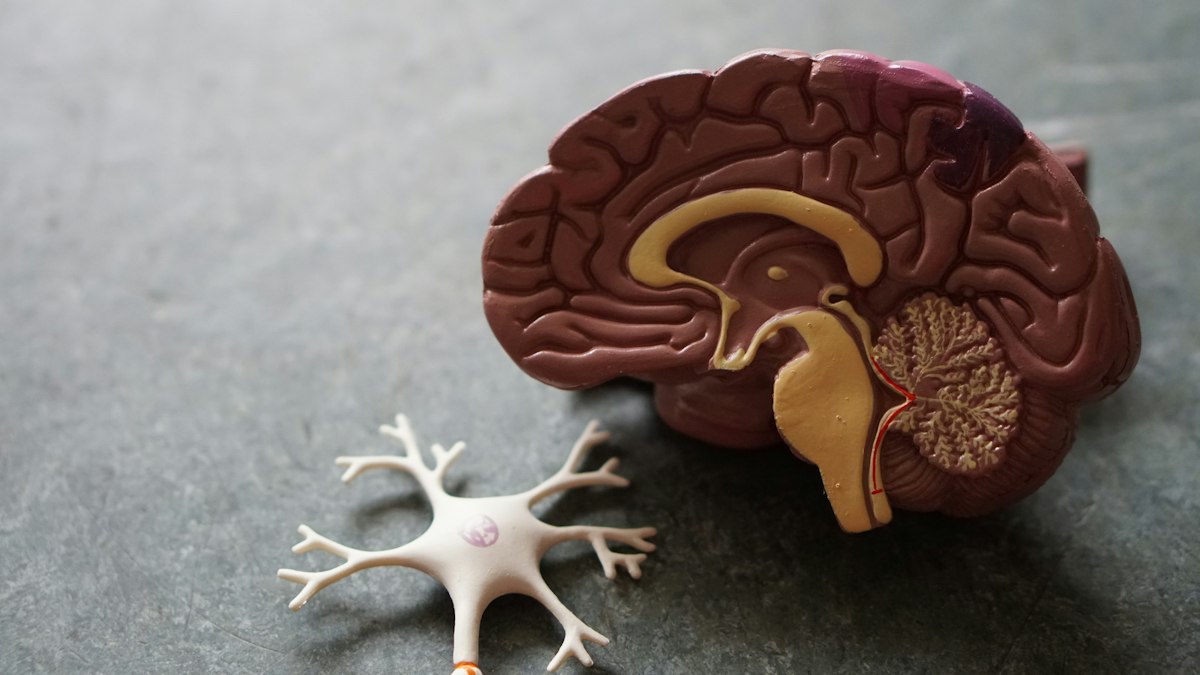
What they found was surprising: GLP-1 receptors are densely expressed in the hypothalamus (which regulates appetite and body weight), the brainstem (which processes nausea and aversion), and — crucially — the nucleus accumbens and ventral tegmental area. Those last two are the heart of the brain’s dopamine reward system.
This means GLP-1 doesn’t just tell you when you’re full. It directly modulates the neural circuits that generate craving, motivation, and reward-seeking behavior. The same circuits that go haywire in addiction.
What GLP-1 Receptor Agonists Actually Do
Semaglutide (Ozempic, Wegovy), liraglutide (Saxenda), and tirzepatide (Mounjaro) all work by mimicking or amplifying GLP-1 signaling. They bind to GLP-1 receptors, activate them more potently and for longer than the natural hormone, and produce a cascade of effects across multiple body systems.
In the gut and pancreas: insulin up, glucagon down, gastric emptying slowed. In the hypothalamus: appetite suppression, reduced caloric intake. In the reward system: something researchers are still working to fully understand — but the early findings are striking.
The Dopamine Connection: Quieting the Noise
Dopamine is often called the brain’s “pleasure chemical,” but that’s a significant oversimplification. Dopamine is primarily a signal of anticipated reward — it drives craving, seeking, and wanting, not just the pleasure of getting. When dopamine fires in the nucleus accumbens, you experience the pull toward something: food, a drink, a scroll through your phone, another bet.
GLP-1 receptors in this area appear to act as a kind of dampener on dopamine signaling. When activated, they reduce the salience of reward cues — the internal urgency that makes you need that thing right now. Users of GLP-1 drugs frequently describe this effect as the silencing of “food noise” — the constant background mental chatter about eating that many overweight individuals experience. The cravings don’t just become easier to resist; they stop arising in the first place.
This distinction matters enormously. Most behavioral interventions for addiction or overeating work by strengthening the prefrontal cortex’s ability to inhibit impulses — essentially teaching you to fight the craving harder. GLP-1 drugs appear to work upstream, reducing the dopamine-driven signal that generates the craving itself. To understand more about how the prefrontal cortex and dopamine interact in behavior, see our deep dive into why ADHD brains work differently.
Animal Studies: The First Clues
The addiction-modulating effects of GLP-1 were first observed in animal research. Rodents given GLP-1 receptor agonists consumed less alcohol when given free access — not because they were sedated or aversive, but because they simply wanted it less. The same effect appeared with cocaine self-administration. Rats that had been trained to press a lever for cocaine pressed it less after GLP-1 treatment.
Critically, this wasn’t just a side effect of reduced appetite or lower caloric intake. Animals receiving GLP-1 drugs maintained normal food consumption for non-palatable foods while showing selective reduction in high-reward, high-calorie, or addictive substances. The reward system was being recalibrated, not globally suppressed.

Human Evidence: Addiction Behaviors Drop Unexpectedly
The human evidence began accumulating through something researchers call “serendipitous reporting” — patients volunteering observations their doctors hadn’t asked about. Across clinical trials and online communities, a consistent pattern emerged.
A 2023 survey of Ozempic users found that 35% reported reduced desire for alcohol, often dramatically so. Users who had struggled with alcohol use disorder described simply no longer wanting to drink — not through willpower, but through the disappearance of the desire itself. Similar anecdotes emerged about compulsive shopping, nail-biting, gambling, and even the urge to engage in revenge bedtime procrastination.
Formal research has followed. A 2024 study using electronic health records from over 83,000 patients found that individuals prescribed GLP-1 drugs for obesity or diabetes had significantly lower rates of alcohol use disorder, opioid overdose, cannabis use disorder, and stimulant misuse compared to matched controls on other medications. The risk reduction was substantial — in some categories, exceeding 40%.
The Alcohol Finding Is Especially Significant
Alcohol activates the dopamine reward pathway more directly than almost any other substance. It binds to GABA and opioid receptors, triggers dopamine release in the nucleus accumbens, and creates powerful associative memories that generate craving cues. Current pharmaceutical treatments for alcohol use disorder — naltrexone, acamprosate — work by blocking opioid receptors or reducing glutamate-driven craving. They help, but they don’t extinguish the underlying drive.
GLP-1 drugs appear to hit earlier in the chain — reducing the dopaminergic salience of alcohol-related cues before they even generate a craving signal. For a deeper understanding of how dopamine-driven reward loops form and sustain habits, read our post on digital dopamine and smartphone addiction.
Beyond Addiction: Anxiety, Depression, and Neuroinflammation
The mental health implications extend beyond addiction. GLP-1 receptors are also expressed in brain regions involved in mood regulation, including the hippocampus and prefrontal cortex. Emerging research suggests GLP-1 drugs may have antidepressant and anxiolytic properties — potentially through multiple mechanisms.
First, GLP-1 appears to reduce neuroinflammation. Chronic inflammation in the brain is increasingly recognized as a driver of depression, anxiety, and cognitive decline. GLP-1 receptor activation suppresses microglial activation (the brain’s inflammatory immune cells) and reduces pro-inflammatory cytokine production. For those whose mood disorders have an inflammatory basis — which research suggests is a substantial subset — this could be therapeutic.
Second, animal studies have shown GLP-1 receptor activation promotes neuroplasticity in the hippocampus — the brain region most critical for memory formation and mood regulation, and the region most damaged by chronic stress. GLP-1 appears to increase BDNF (brain-derived neurotrophic factor), the growth factor that promotes the survival and growth of neurons. Low BDNF is strongly associated with depression. This connects to what we know about how chronic stress rewires the brain.
The Gut-Brain Axis Connection
GLP-1 is produced not only in the gut but also in specific neurons in the brainstem that project widely throughout the central nervous system. This means GLP-1 signaling is part of the broader gut-brain communication network — the bidirectional highway through which your microbiome and digestive system influence your mental states. We’ve covered this in detail in our article on the gut-brain connection and how your microbiome runs your mind.
Interestingly, certain gut bacteria stimulate GLP-1 secretion from intestinal L-cells. A healthy microbiome — rich in fiber-fermenting bacteria that produce short-chain fatty acids — naturally boosts GLP-1 levels. This may be one reason why diets high in fiber and fermented foods are associated with lower rates of both obesity and certain psychiatric conditions.
The Risks and Limitations Nobody Is Talking About Enough
The neurological effects of GLP-1 drugs aren’t uniformly positive. A closer look at the evidence reveals important nuances and genuine concerns.
The Risk of Anhedonia
If GLP-1 drugs dampen dopamine-driven reward signals, they could, in some individuals, dampen reward signaling too broadly. Anhedonia — the inability to experience pleasure — is the clinical term for this state, and it’s one of the most debilitating features of clinical depression. A subset of GLP-1 users report feeling emotionally flat, joyless, or unmotivated — not just disinterested in unhealthy foods and substances, but in things that previously brought genuine pleasure.
This appears to be relatively uncommon, and may depend on dose, individual neurobiology, and baseline dopamine system function. But it represents a serious concern as these drugs become increasingly prescribed. The same mechanism that silences food noise and addiction craving could, in vulnerable individuals, silence other forms of natural reward motivation as well.
Muscle Loss and Cognitive Implications
GLP-1 drugs produce rapid weight loss, but a significant portion of that weight comes from lean mass — muscle — rather than fat alone. Some studies suggest 25-40% of weight lost on semaglutide is muscle mass, not fat. This matters for the brain because skeletal muscle is a major producer of BDNF and other neuroprotective compounds during exercise. Muscle contraction during physical activity releases molecules called myokines that cross the blood-brain barrier and directly promote neuroplasticity and cognitive function.
If rapid weight loss on GLP-1 drugs comes at the cost of significant muscle mass — especially if users are not actively resistance training and consuming adequate protein — the cognitive and brain health benefits from weight reduction could be partially offset by the loss of exercise-driven neurochemical benefits. The relationship between physical performance and mental sharpness is something we explored in depth in our post on cold exposure and its effects on the brain and body.
What We Don’t Know Yet
GLP-1 drugs have been prescribed at scale for only a few years. The long-term neurological effects — beyond the two-to-four year timeframe of current trials — remain unknown. Does extended GLP-1 receptor activation alter the baseline sensitivity of dopamine receptors? Does it change how the brain responds when the drug is discontinued? These are not hypothetical concerns; they’re active research questions without settled answers.

Who Benefits Most — and What It Means for Everyone Else
Not everyone who takes GLP-1 drugs will experience dramatic changes in addictive behavior or mood. The neurological response to these drugs appears to vary substantially based on individual neurobiology, particularly the density and sensitivity of GLP-1 receptors in reward circuits, which is genetically influenced.
Research suggests those who benefit most neurologically tend to be individuals who have significant reward dysregulation as a baseline — people with elevated “wanting” but diminished “liking,” a neurobiological pattern common in obesity, food addiction, and substance use disorders. For these individuals, GLP-1 drugs may restore a more balanced reward set-point, reducing the chronic overdrive that drives compulsive behavior.
But the broader takeaway extends beyond who should take these drugs. The GLP-1 research is revealing something fundamental about the biology of craving, reward, and self-control — that much of what we experience as “willpower” or “discipline” around food, alcohol, and other behaviors is not purely psychological. It is deeply neurochemical. The gut, the microbiome, and metabolic hormones are active participants in the reward system — not peripheral players. This connects directly to research we’ve covered on the neuroscience of willpower and self-control.
Practical Implications: What This Research Means for Brain Health
Whether or not you ever take a GLP-1 drug, this research has actionable implications for optimizing your brain’s reward system naturally.
Support Natural GLP-1 Production
Your body produces GLP-1 naturally in response to eating — and certain dietary patterns significantly amplify this production. A diet rich in soluble fiber (oats, legumes, vegetables), fermented foods (yogurt, kimchi, kefir), and protein stimulates GLP-1 release from intestinal L-cells. This is partly why high-fiber, high-protein diets produce better satiety and more stable appetite regulation than ultra-processed food diets. More on why dietary patterns profoundly shape the gut-brain axis can be found in our article on the gut-brain connection.
Exercise Amplifies GLP-1 Signaling
Both aerobic exercise and resistance training have been shown to increase GLP-1 secretion and upregulate GLP-1 receptor sensitivity. This is likely one of the pathways through which regular exercise reduces cravings for unhealthy foods and addictive substances — an observation made by clinicians long before the neuroscience was understood. Exercise also independently boosts BDNF, dopamine receptor density, and neuroplasticity — the same targets that GLP-1 drugs affect pharmacologically. Sleep quality also dramatically influences this system, as we detail in our post on sleep science and peak performance.
Reduce Reward System Dysregulation
The mechanism through which GLP-1 drugs reduce cravings — dampening dopamine salience of reward cues — can be partially replicated through behavioral strategies. Reducing exposure to highly palatable, engineered foods that hijack the dopamine system allows natural reward sensitivity to recalibrate. Many people report that after several weeks of avoiding ultra-processed foods and excessive screen-based dopamine stimulation, natural foods become more satisfying and cravings become less intense. This mirrors the neurochemical recalibration that GLP-1 drugs achieve pharmacologically. Our article on attention neuroscience and deep work explores related territory on managing reward-driven distraction.
The Bigger Picture: A Window Into the Biology of Desire
GLP-1 drugs are, in a sense, accidental neuroscience tools. Developed to treat metabolic disease, they’ve inadvertently provided researchers with a window into the deep connections between metabolism, the gut, and the brain’s reward circuitry — connections that have been theorized but never before so directly manipulable in humans.
The finding that a metabolic hormone can reduce alcohol consumption, quiet addiction craving, and potentially alleviate depression is not just a pharmacological curiosity. It is a profound challenge to how we think about desire, willpower, and mental health. It suggests that many of the behaviors we frame as moral failures — overeating, addiction, compulsivity — have deep neurobiological roots in the metabolic-reward axis, and that reshaping that axis can reshape the behaviors themselves.
As GLP-1 research matures, we’re likely to see these drugs — or more targeted versions of them — become tools not just for obesity and diabetes, but for addiction medicine, psychiatric treatment, and potentially cognitive enhancement. The science is early, the risks are real, and the long-term picture remains unclear. But the mechanism being revealed is one of the most significant neuroscientific discoveries of the past decade — a molecular bridge between the gut, the metabolism, and the mind.