You’ve probably heard that you need eight hours of sleep. But where did that number come from, and what does the research actually say? The science of sleep optimization has exploded over the past decade, driven partly by consumer wearable technology and partly by a growing recognition that sleep deprivation is a public health crisis. In 2026, tracking your sleep stages is as easy as strapping on a smartwatch — but understanding what those numbers mean is a different challenge entirely.
This article cuts through the noise. We’ll examine what peer-reviewed research says about sleep architecture, optimal duration, the performance consequences of sleep debt, and evidence-based strategies for improving sleep quality. No biohacker mythology. Just the science.
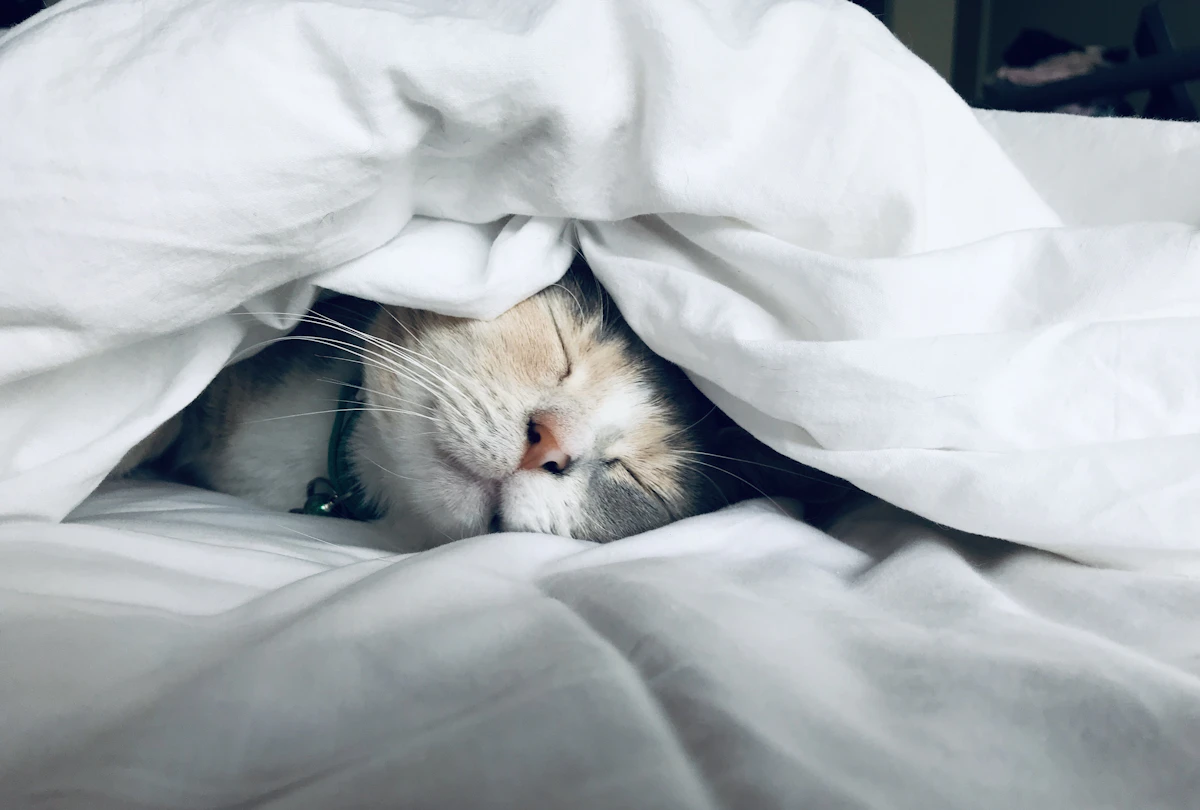
Why Sleep Is Not a Passive State
For most of human history, sleep was considered a passive, dormant state — the brain switching off to conserve energy. Neuroscience has completely overturned this view. Sleep is one of the most metabolically active periods for the brain. During sleep, the glymphatic system — a recently discovered waste-clearance network — flushes toxic proteins including amyloid-beta, the plaque associated with Alzheimer’s disease. This process is up to ten times more active during sleep than wakefulness.
The brain doesn’t just clean itself during sleep. It consolidates memories, processes emotions, repairs neural connections, and regulates the hormones that govern appetite, stress response, immune function, and cellular repair. Sleep is not recovery time from your day. Sleep is where much of the day’s cognitive work is actually completed.
The Architecture of a Night’s Sleep
Sleep is not monolithic. It cycles through distinct stages, each serving different biological functions:
NREM Stage 1 (Light Sleep): The transition from wakefulness. Heart rate slows, body temperature drops, muscles relax. This stage lasts only a few minutes and serves as the gateway into deeper sleep.
NREM Stage 2: True sleep begins. Brain activity shows characteristic sleep spindles and K-complexes — electrical patterns associated with memory consolidation. Body temperature continues to drop. This stage constitutes roughly 50% of total sleep time.
NREM Stage 3 (Slow-Wave or Deep Sleep): The most physically restorative stage. Growth hormone is secreted, tissues are repaired, and immune function is enhanced. The brain produces slow, synchronized delta waves. Waking someone from this stage leaves them groggy and disoriented — a phenomenon called sleep inertia.
REM Sleep (Rapid Eye Movement): The stage most associated with vivid dreaming. The brain is nearly as active as during wakefulness, but the body is temporarily paralyzed to prevent acting out dreams. REM sleep is critical for emotional memory processing, creative problem-solving, and integrating new information with existing knowledge.
A complete sleep cycle lasts approximately 90 minutes. During the early part of the night, cycles contain more deep (slow-wave) sleep. During the later part, REM sleep dominates. This is why cutting sleep short by even 90 minutes disproportionately reduces REM sleep — the stage with the greatest impact on mood, creativity, and cognitive flexibility.
How Much Sleep Do You Actually Need?
The research is clear: for most adults, the optimal range is 7–9 hours per night. The National Sleep Foundation and the American Academy of Sleep Medicine both endorse this range based on extensive epidemiological data. Below 7 hours, measurable cognitive deficits accumulate. Above 9 hours in adults who are not recovering from illness or sleep debt, research begins to show associations with other health factors (though causality here is debated).
However, there is meaningful genetic variation. Roughly 3% of the population carries a gene variant (BHLHE41) that allows them to function optimally on six or fewer hours of sleep. These are true short sleepers — rare individuals who genuinely don’t need more. If you believe you’re one of them because you “feel fine” on six hours, the research suggests you’re almost certainly wrong. Studies by Matthew Walker at UC Berkeley found that after just a few nights of six-hour sleep, subjects’ cognitive performance dropped dramatically — but their subjective sense of impairment did not. Sleep deprivation impairs your ability to assess your own impairment.
The Compounding Cost of Sleep Debt
Sleep debt is real, and it compounds. Research by Hans Van Dongen at the University of Pennsylvania demonstrated that restricting subjects to six hours per night for two weeks produced cognitive deficits equivalent to two full nights of total sleep deprivation — yet subjects reported feeling “slightly sleepy” rather than severely impaired. Their brains had adapted to a new, degraded baseline.
The relationship between sleep deprivation and performance connects directly to how the brain manages attention and focus. If you’re already struggling with concentration, chronic sleep debt is almost certainly a major contributing factor — as we explored in our deep-dive on the neuroscience of why you can’t focus.
Partial sleep recovery is possible. Studies suggest that two full nights of recovery sleep can largely restore cognitive performance after short-term sleep restriction. But chronic sleep deprivation over months or years may cause lasting changes to neural architecture that don’t fully reverse with recovery sleep.

Circadian Rhythm: Your Body’s Master Clock
Sleep is regulated by two interlocking systems: sleep pressure (the homeostatic drive) and the circadian clock. Sleep pressure is simple: the longer you’re awake, the more adenosine builds up in the brain, creating increasing sleepiness. Sleep clears adenosine, resetting the pressure. This is why caffeine works — it blocks adenosine receptors, temporarily masking the pressure without actually reducing it.
The circadian clock is more complex. It’s a roughly 24-hour biological cycle synchronized primarily by light — specifically, by the wavelength of light detected by melanopsin-containing cells in the retina. These cells are most sensitive to short-wavelength blue light, which signals daytime to the brain and suppresses melatonin production.
Chronotype: Morning Larks vs. Night Owls
Chronotype — your natural tendency toward earlier or later sleep timing — is substantially heritable and rooted in real biological differences. Research by Till Roenneberg and others has shown that chronotype follows a normal distribution in the population, with most people falling somewhere between extreme morning and evening types. Critically, chronotype shifts predictably across the lifespan: children tend to be morning-oriented, adolescents shift strongly toward eveningness (a phenomenon so robust it’s sometimes called “social jet lag”), and adults gradually shift back toward morningness as they age.
The practical implication: forcing a genuine night owl to perform cognitively demanding work at 7am is the neurological equivalent of forcing a morning person to perform at 2am. The performance differences are real. One of the most evidence-based changes any organization can make to improve cognitive output is simply to offer flexible start times.
Chronotype interacts directly with stress response systems. People who are chronically misaligned with their social schedule — forced to wake earlier than their biology prefers — show elevated cortisol, impaired immune function, and higher rates of metabolic dysfunction. We examined how stress degrades cognitive capacity in detail in our post on how chronic stress rewires the brain.
What Wearables Get Right (and Wrong) About Sleep
Consumer sleep trackers — from Apple Watch to Oura Ring to Whoop — have democratized sleep data. Tens of millions of people now have nightly data on their sleep stages, heart rate variability, and respiratory rate. This is genuinely useful for identifying trends and patterns. But it’s important to understand the limitations.
Gold-standard sleep measurement requires polysomnography (PSG) — recording brain waves (EEG), eye movements (EOG), muscle activity (EMG), heart rhythm, and respiratory patterns simultaneously in a sleep lab. Consumer wearables cannot do this. They use actigraphy (movement detection), photoplethysmography (optical heart rate), and sophisticated machine learning algorithms to infer sleep stages from proxies.
Studies comparing wearable devices to PSG show that most consumer trackers are reasonably accurate at detecting total sleep time and distinguishing sleep from wakefulness, but significantly less accurate at staging specific sleep phases — particularly distinguishing N2 from N3 (deep sleep). A device telling you that you got 1.5 hours of deep sleep may be off by 30–40%.
There’s also a psychological risk: orthosomnia. Research published in the Journal of Clinical Sleep Medicine documented cases of patients developing anxiety about their sleep tracker scores, which paradoxically worsened their sleep. If checking your sleep data each morning makes you anxious about the previous night’s numbers, you may be inducing more harm than benefit.
Heart Rate Variability as a Sleep Quality Proxy
One metric wearables measure more reliably is heart rate variability (HRV) — the variation in time between successive heartbeats. Higher HRV during sleep generally correlates with greater parasympathetic nervous system activity (rest-and-digest), better sleep quality, and more robust recovery. Athletes and high performers increasingly use morning HRV as a readiness metric: low HRV may indicate the body is still recovering from stress, illness, or inadequate sleep.
HRV is genuinely useful when tracked over time as a personal baseline. A single reading tells you little; a week of readings showing a downward trend tells you something meaningful. The key is tracking deviations from your own pattern rather than comparing against population averages.

Evidence-Based Strategies for Better Sleep
Sleep hygiene has become a cliché, but the research supporting specific interventions is solid. Here’s what the evidence actually shows:
1. Temperature Regulation
Core body temperature must drop by 1–2°C (2–3°F) to initiate and maintain sleep. Your body offloads heat through the hands, feet, and face. A cool bedroom (16–19°C / 60–67°F for most people) facilitates this process. Research shows that even warming the hands and feet — which paradoxically accelerates heat redistribution away from the core — can reduce sleep onset time by several minutes.
This is also why hot baths taken 1–2 hours before bed can improve sleep onset: the bath causes peripheral vasodilation, accelerating core cooling after you get out. The bath itself isn’t relaxing you to sleep — it’s cooling your core more efficiently than passive waiting.
2. Light Management
Morning bright light exposure (ideally sunlight within 30–60 minutes of waking) is one of the most powerful circadian anchors available. Research by Andrew Huberman and others has shown that morning light exposure accelerates cortisol release at waking (beneficial for alertness), sets circadian timing for the day, and advances the timing of melatonin release in the evening — making it easier to fall asleep at your target bedtime.
Evening blue light from screens is legitimately problematic, but may be overstated in popular discourse. The most significant light effects occur in the 2–3 hours before your natural sleep time. Blue light blocking glasses show modest benefit in studies; reducing overall light intensity in the evening may be more important than filtering specific wavelengths. Using your phone in a fully dark room at maximum brightness is worse than using it at low brightness with blue light filtering.
3. Caffeine Timing
Caffeine has a half-life of approximately 5–7 hours in most adults (though this varies significantly with genetic CYP1A2 variants). A 200mg coffee at 2pm still has 100mg active in your system at 7pm, and 50mg at midnight. This doesn’t just make it harder to fall asleep — it reduces the proportion of slow-wave (deep) sleep even when sleep onset is normal. Many people who claim caffeine “doesn’t affect their sleep” are actually experiencing measurable deep sleep reduction without subjective awareness.
The relationship between caffeine and sleep connects closely to adenosine dynamics and the broader question of how we manage energy and focus throughout the day — a topic we explored through the lens of cognitive load theory and brain capacity limits.
4. Sleep Consistency Over Duration
A consistent sleep and wake schedule is more important than most people realize. The circadian system is synchronized by repeated timing signals. Irregular sleep schedules — sleeping at different times on weekdays versus weekends — create a form of chronic jet lag that impairs metabolic function, mood, and cognitive performance independently of total sleep duration.
Studies show that sleep irregularity is a stronger predictor of academic performance problems than total sleep time. Getting 7.5 hours on a consistent schedule outperforms getting 8.5 hours on a variable schedule, on most performance measures.
5. Strategic Napping
The post-lunch dip in alertness is a genuine biological phenomenon — a circadian trough that occurs approximately 8 hours after waking, regardless of meal timing. Many cultures have historically accommodated this with midday rest. Research supports the value of naps in the 10–20 minute range (enough to clear adenosine and consolidate memory without inducing significant slow-wave sleep, which causes sleep inertia on waking) or longer 90-minute naps (a full sleep cycle, which allows waking between cycles).
Napping after 3pm for most people risks disrupting nighttime sleep by reducing sleep pressure. The “nappuccino” — drinking a coffee immediately before a 20-minute nap, then waking as caffeine begins to take effect — has some research support for minimizing sleep inertia.
Sleep and the Habit Systems That Govern Performance
Sleep doesn’t operate in isolation from the other behavioral systems that determine performance. The quality of your sleep fundamentally shapes — and is shaped by — your habits, stress levels, and cognitive patterns throughout the day.
Poor sleep elevates cortisol, which increases impulsivity and reduces prefrontal cortex function. This makes it harder to resist unhealthy food, exercise, or maintain the habits that would otherwise protect sleep quality. It’s a negative feedback loop: bad sleep causes bad decisions, which cause worse sleep. The habit formation research we covered in our evidence-based guide to the habit loop and our complete habit formation science guide shows that sleep-deprived individuals have significantly lower rates of successful habit change.
The connection also runs through self-control. Sleep deprivation directly impairs the prefrontal cortex — the seat of executive function and self-regulation. Subjects in sleep deprivation studies consistently show impaired performance on tasks requiring inhibition, planning, and decision-making. This is why understanding why willpower fails and what actually works is inseparable from understanding sleep.
The Performance Case for Prioritizing Sleep
In professional and athletic domains, the performance evidence for sleep is unambiguous. Studies on NBA players, tennis players, and swimmers found that extending sleep to 10 hours per night improved sprint times, reaction times, shooting accuracy, and mood. For knowledge workers, studies consistently show that even modest improvements in sleep quality produce measurable gains in creativity, problem-solving, and emotional regulation.
The cognitive domains most sensitive to sleep deprivation are also the ones most valued in modern knowledge work: sustained attention, working memory, creative insight, and emotional intelligence. Tasks requiring rote execution or physical skill are relatively more robust to sleep deprivation. Tasks requiring judgment, innovation, and interpersonal nuance are severely degraded.
Yet organizational culture persistently valorizes sleep deprivation. “I’ll sleep when I’m dead” and “I only need five hours” are status signals in many professional environments — signals that are neurologically incoherent. The executives and entrepreneurs who claim to thrive on minimal sleep are performing thriving, not achieving it. Their cognitive output is measurably worse than it would be with adequate sleep, even if they can’t perceive the gap. This connects directly to how we systematically misattribute procrastination and poor performance to motivation failures rather than physiological depletion — a theme we explored in our analysis of why your brain fights you when you try to work.
Practical Sleep Optimization: A Research-Based Protocol
Based on the convergent evidence, here is a sleep optimization protocol that the research supports:
Set a consistent wake time and maintain it seven days a week, including weekends. The wake time anchors your circadian clock. Let bedtime vary if needed, but protect the wake time.
Get bright light within 60 minutes of waking. Outdoor light is ideal; if that’s not possible, a 10,000 lux light therapy lamp for 20–30 minutes works. This sets your circadian anchor for the day.
Set your last caffeine at least 8 hours before target sleep time. If you sleep at 11pm, your last coffee should be by 3pm. This is earlier than most people practice.
Keep your bedroom cool (16–19°C / 60–67°F), dark, and used only for sleep and sex. Stimulus control — associating the bed exclusively with sleep — is one of the most evidence-backed behavioral interventions for insomnia.
Reduce light intensity in the two hours before bed. Dim overhead lights, use lamps, and reduce screen brightness. The goal is to signal the brain that day is ending.
If you can’t sleep after 20 minutes, get up. Lying in bed awake strengthens the association between the bed and wakefulness. Get up, do something calm in dim light, and return when sleepy. This counterintuitive advice is the core of Cognitive Behavioral Therapy for Insomnia (CBT-I) — the gold-standard treatment that outperforms sleep medication in long-term studies.
Track trends, not nights. Use wearable data to identify patterns over weeks, not to judge individual nights. A single poor night is essentially irrelevant. A three-week declining HRV trend is meaningful.
The Bottom Line
Sleep optimization isn’t a biohacking trend — it’s a return to physiological sanity in a culture that has systematically pathologized adequate rest as laziness. The research is unambiguous: seven to nine hours of high-quality, consistently timed sleep is not a luxury. It is the foundation upon which every other performance variable — focus, memory, emotional regulation, creativity, metabolic health, and immune function — is built.
The irony of the modern productivity cult is that its most effective intervention isn’t a new app, a morning routine, or a supplement. It’s treating sleep as a non-negotiable biological requirement rather than a variable to be minimized. Every hour invested in sleep quality compounds across every waking hour that follows.
Start with consistency. Protect your wake time. Get morning light. Cut caffeine earlier. Cool your room. The interventions aren’t exotic — but the evidence behind them is as solid as neuroscience gets.