Creatine is the most researched supplement in sports science history — and for decades, it lived almost exclusively in the world of lifting weights and building muscle. Gym bags, protein shakers, bodybuilding forums. That was creatine’s world. But something has shifted in the research over the past ten years. Scientists studying the brain, aging, and longevity have started looking at creatine with fresh eyes, and what they’re finding is genuinely surprising.
It turns out that creatine isn’t just a muscle supplement. It’s a fundamental molecule in human energy metabolism — one that plays critical roles in the brain, in cellular aging, in cognitive function, and possibly in how long we live and how well we age. The fitness community discovered something important, but they may have discovered it for the wrong reasons.

What Creatine Actually Is (And What It Does)
Creatine is a naturally occurring compound synthesized primarily in the liver and kidneys from three amino acids: arginine, glycine, and methionine. About 95% of the body’s creatine is stored in skeletal muscle, with the remaining 5% distributed in the brain, heart, kidneys, and testes. You also get creatine from dietary sources — primarily red meat and fish — with a typical omnivorous diet supplying around 1–2 grams per day.
The core function of creatine is energy buffering. Specifically, it participates in the phosphocreatine (PCr) system — one of the fastest ways the body regenerates ATP, the universal energy currency of cells. When cells need energy rapidly, they break ATP down to ADP. Creatine phosphate donates its phosphate group to ADP, regenerating ATP almost instantaneously. This reaction is catalyzed by the enzyme creatine kinase.
Think of it like a battery backup system. When the primary power supply (ATP) runs low, creatine phosphate acts as an emergency reserve that restores power immediately, buying time for slower energy systems — glycolysis and oxidative phosphorylation — to catch up. This is why creatine is so useful for high-intensity, short-duration efforts: explosive lifts, sprints, anything that demands maximal power for a few seconds.
The Creatine-ATP Cycle
The phosphocreatine system operates like this: when muscle fibers contract forcefully, ATP is consumed rapidly. Creatine kinase immediately transfers a phosphate from phosphocreatine to ADP, regenerating ATP. The creatine that remains (now unphosphorylated) gets transported back to the mitochondria, where it’s re-phosphorylated using ATP generated through oxidative metabolism. This shuttle system — sometimes called the creatine-phosphocreatine shuttle — is essential for maintaining energy balance in high-demand tissues.
Supplementing with creatine simply increases the total pool of creatine and phosphocreatine available in muscle and brain tissue. More reserve capacity means faster ATP regeneration, better sustained performance, and quicker recovery between maximal efforts. The performance effects are well-established and undisputed — creatine is one of the few supplements where the evidence is essentially bulletproof.
Creatine and the Brain: The Emerging Science
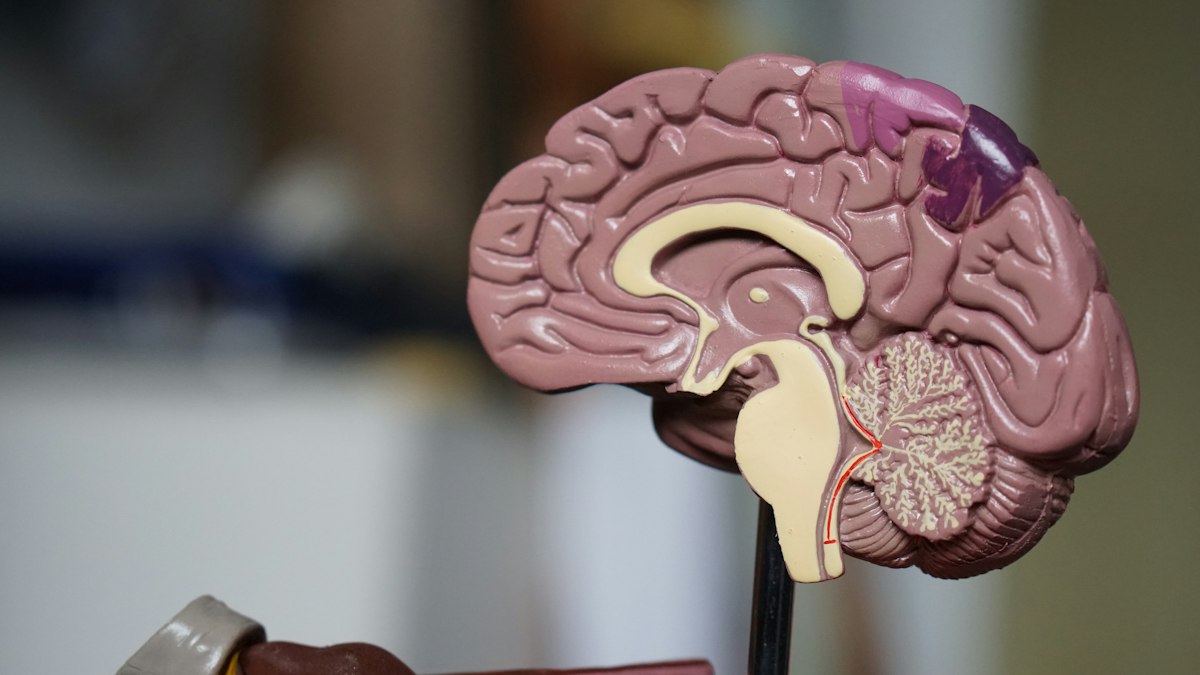
The brain is metabolically hungry. Despite representing only 2% of body weight, it consumes roughly 20% of the body’s energy — mostly in the form of ATP. Neurons fire constantly, maintaining ion gradients, synthesizing neurotransmitters, and sustaining complex electrical activity. Energy supply disruptions, even brief ones, affect cognition quickly and profoundly.
The brain also contains creatine kinase and uses the phosphocreatine system extensively. This raises an obvious question: if creatine supplementation increases phosphocreatine stores in muscle, does it do the same in the brain? And if so, does that translate into measurable cognitive benefits?
Brain Creatine Levels and Cognitive Performance
The answer to both questions appears to be yes — though with important nuances. Brain creatine levels do increase with supplementation, though less dramatically than in muscle, and the effects are most pronounced under conditions of metabolic stress.
A 2003 study by Rae and colleagues published in Psychopharmacology found that vegetarians who supplemented with creatine for six weeks showed significant improvements in working memory and intelligence test scores compared to placebo. Vegetarians were used partly because they have lower baseline creatine levels (since they don’t eat meat), making them more likely to show a response to supplementation.
More recent research has investigated creatine’s effects on cognition during sleep deprivation — a condition that significantly depletes brain energy reserves. A 2006 study found that creatine supplementation substantially reduced the cognitive performance decline associated with 24 hours of sleep deprivation. Tasks requiring sustained attention, complex decision-making, and working memory were all less impaired in the creatine group. The mechanism appears to be the maintenance of cerebral phosphocreatine levels, which buffer against the energy depletion that underlies sleep-deprivation cognitive decline.
This finding has practical implications. High-stress periods, illness, poor sleep, intense exercise — all these states tax brain energy metabolism. Creatine supplementation may provide a meaningful buffer, helping maintain cognitive function when the brain is under metabolic pressure. This connects to the broader theme of cellular energy optimization — when metabolic reserves are adequate, every system in the body performs better.
Traumatic Brain Injury and Neuroprotection
One of the most compelling emerging applications for creatine is neuroprotection following traumatic brain injury (TBI). Brain injury disrupts cellular energy metabolism dramatically — mitochondrial dysfunction, ATP depletion, and oxidative stress cascade through injured tissue. Maintaining phosphocreatine stores during this period may limit secondary damage.
Animal studies have shown that pre-injury creatine supplementation significantly reduces brain damage markers after induced TBI. Human pediatric studies have shown promising results as well — children supplemented with creatine after TBI showed better outcomes on multiple measures including headache duration, dizziness, and cognitive recovery. While research is still in early stages for adults, the neuroprotective rationale is mechanistically strong.
Depression and Mental Health
An unexpected area of creatine research is its potential role in depression and mood disorders. Several studies have found that patients with depression have lower brain creatine levels, and that creatine supplementation — particularly as an adjunct to antidepressant therapy — can improve outcomes. A 2012 study in The American Journal of Psychiatry found that women with treatment-resistant depression who added creatine to their SSRI regimen showed significantly faster and greater improvement than those taking the SSRI alone.
The proposed mechanism involves creatine’s effects on phosphocreatine levels in prefrontal cortex, an area critical for mood regulation and executive function. The prefrontal cortex is energetically expensive and particularly vulnerable to metabolic insufficiency. Supporting its energy supply may help normalize the neural circuit dysfunction underlying depression. This connects interestingly with the research on sauna and BDNF, where other non-pharmacological interventions also show meaningful effects on brain chemistry.
Creatine and Aging: The Longevity Angle
As we age, creatine metabolism changes in ways that may accelerate multiple aspects of biological aging. Understanding these changes — and how supplementation might mitigate them — represents one of the most exciting frontiers in longevity research.
Sarcopenia and Muscle Loss
Sarcopenia — the age-related loss of muscle mass and function — begins in the 30s and accelerates significantly after 50. It’s a primary driver of frailty, falls, metabolic decline, and loss of independence in older adults. By age 80, most people have lost 30–40% of their muscle mass compared to young adulthood.
Creatine supplementation combined with resistance training is one of the most effective interventions for slowing sarcopenia. A meta-analysis published in the Journal of Aging and Physical Activity found that older adults supplementing with creatine gained significantly more lean mass and strength from resistance training compared to those taking placebo. The benefits appear to operate through multiple mechanisms: enhanced phosphocreatine availability supporting training intensity, improved satellite cell activation (the stem cells that repair and build muscle), and possibly direct anti-catabolic effects on muscle protein metabolism.
Maintaining muscle mass as we age isn’t merely cosmetic — it’s profoundly metabolic. Muscle is the largest glucose disposal organ in the body, and muscle mass is one of the strongest predictors of metabolic health, insulin sensitivity, and longevity. The connection between muscle preservation and metabolic health is a thread that runs through most longevity research, from Zone 2 training to strength work to nutritional interventions.
Bone Health and Osteoporosis
A less appreciated dimension of creatine’s aging-related benefits is its potential effects on bone. Creatine kinase is active in osteoblasts (the cells that build bone), and several studies have found that creatine supplementation, particularly combined with resistance training, improves markers of bone formation. In postmenopausal women — a group at high risk for osteoporosis — creatine supplementation appears to provide modest protective effects on bone mineral density.
The mechanism may partly be indirect: better training performance and increased muscle mass create greater mechanical loading on bones, which stimulates bone remodeling. But creatine may also have direct effects on osteoblast energy metabolism, supporting bone matrix synthesis. Research here is still emerging, but the signal is promising enough that bone health has become another reason gerontologists are paying attention to creatine.
Mitochondrial Function and Cellular Energy
One of the hallmarks of biological aging is mitochondrial dysfunction — the gradual decline in the quality and quantity of mitochondria, the cellular organelles responsible for ATP production through oxidative phosphorylation. As mitochondrial function declines, cells become energy-limited, reactive oxygen species production increases, and the cascade of molecular damage we associate with aging accelerates.
The creatine-phosphocreatine shuttle is intimately connected to mitochondrial function. Creatine kinase exists in multiple isoforms — cytosolic forms that regenerate ATP at the site of consumption, and mitochondrial forms that regenerate phosphocreatine at the site of production. This shuttle system is essential for efficient mitochondrial energy coupling. When mitochondrial function declines with age, the creatine kinase system becomes less efficient as well, creating a self-reinforcing cycle of energy insufficiency.
Research suggests creatine supplementation may partially compensate for age-related mitochondrial decline by increasing the available phosphocreatine pool, maintaining more efficient energy buffering even as mitochondrial output decreases. This connects to the broader picture of cellular energy metabolism explored in the context of NAD+ and sirtuins — multiple converging pathways support mitochondrial health and energy production.
Cognitive Aging and Dementia Risk
Perhaps most intriguingly for longevity purposes, creatine may play a role in protecting against cognitive aging and neurodegenerative disease. Brain creatine levels decline with normal aging, and lower brain creatine has been associated with worse cognitive performance in older adults. In preclinical models of Alzheimer’s disease, creatine supplementation has been shown to reduce brain amyloid burden and improve cognitive performance — though this research is far from conclusive in humans.
More directly relevant human data comes from epidemiological studies suggesting that dietary creatine intake (primarily from meat consumption) is associated with lower risk of neurodegenerative disease. The association isn’t definitive — meat consumption is correlated with many other dietary factors — but it adds to a mechanistic picture suggesting brain creatine levels matter for long-term neurological health.
Who Benefits Most from Creatine Supplementation?
Not everyone responds equally to creatine supplementation, and understanding who benefits most helps calibrate realistic expectations.
Vegetarians and Vegans
People who don’t eat meat have lower baseline creatine levels and show the largest responses to supplementation — both in muscle and brain. Creatine is absent from plant foods (with trace amounts in some plant-derived protein sources), so vegetarians rely entirely on endogenous synthesis. For this group, supplementation is essentially replacing a dietary deficit, and the cognitive and physical benefits tend to be more pronounced than in meat-eaters.
Older Adults
The combination of declining endogenous creatine synthesis, reduced dietary intake in many older adults (who often eat less meat), and the well-documented aging-related declines in muscle mass, bone density, and cognitive function makes older adults an ideal population for creatine supplementation. The evidence base for creatine in older adults is now substantial, with consistent benefits on muscle mass, strength, and function when combined with resistance training.
High-Intensity Athletes
This remains the classic creatine use case. For sports requiring repeated maximal efforts — sprinting, weightlifting, team sports with intermittent high-intensity bouts — creatine supplementation provides measurable performance benefits. The effect sizes are modest but consistent: roughly 5–15% improvement in measures of power and strength output, and better recovery between maximal efforts within training sessions.
People Under Cognitive Stress
Given the emerging evidence on creatine’s role in brain energy metabolism, people experiencing high cognitive demands — sleep-deprived students, shift workers, those recovering from illness or injury — may benefit from creatine’s energy-buffering effects on the brain. This isn’t well-established clinically, but the mechanistic rationale is strong.

Practical Guide: How to Take Creatine
Form: Creatine Monohydrate Is King
Despite the proliferation of “advanced” creatine forms — creatine HCl, creatine ethyl ester, buffered creatine (Kre-Alkalyn), creatine nitrate — no form has been demonstrated to be superior to creatine monohydrate in terms of efficacy. Creatine monohydrate is the most studied, most proven, and cheapest form available. The marketing around newer forms typically exploits perceived problems with monohydrate (GI distress, water retention) that largely don’t exist at appropriate doses.
Micronized creatine monohydrate (ground into finer particles) mixes more easily in water and may cause slightly less GI discomfort for sensitive individuals, but chemically it’s identical to standard creatine monohydrate. Either form works.
Dosing: Loading vs. Maintenance
Two approaches are well-supported:
Loading protocol: 20 grams per day, divided into 4–5 doses, for 5–7 days, followed by 3–5 grams per day maintenance. Loading fully saturates muscle creatine stores within about a week. It’s the fastest way to reach maximum tissue creatine levels. Some people experience GI discomfort with loading doses, which can be mitigated by spacing doses throughout the day and taking with food.
Standard maintenance protocol: 3–5 grams per day without loading. This approach reaches the same endpoint — full creatine saturation — but takes 3–4 weeks rather than one week. For most people not rushing to peak for a competition, this is the preferred approach. Simpler, better tolerated, identical long-term outcome.
For older adults and those focused on cognitive benefits, some researchers suggest 5 grams per day is more effective than 3 grams, as brain creatine uptake is less efficient than muscle uptake. Higher doses (10 grams/day) have been explored for brain-specific benefits in some protocols.
Timing
Creatine timing is less critical than often claimed. The research suggests that post-workout creatine intake may have a slight advantage for muscle creatine loading compared to pre-workout — possibly because post-exercise muscle tissue is more receptive to nutrient uptake. But the effect is small, and for daily supplementation (the goal is simply to maintain elevated tissue levels), timing relative to exercise matters little. Consistency matters far more than timing.
Taking creatine with carbohydrates may enhance uptake slightly, as insulin promotes creatine transport into muscle cells. Taking it with your largest meal of the day is a practical approach that also ensures consistency.
What About Cycling?
There’s no compelling evidence that creatine needs to be cycled. Some early speculation suggested chronic supplementation might downregulate endogenous creatine synthesis or creatine transporter expression, but subsequent research hasn’t found this to be a meaningful concern in practice. Long-term supplementation studies — some extending over years — have found no adverse effects and no evidence that cycling improves outcomes. Most experts in the field take it continuously.
Safety Profile: The Most Studied Supplement
Creatine’s safety record is exceptional. Decades of research involving hundreds of studies and thousands of participants have found no clinically significant adverse effects at recommended doses. Let’s address the common concerns specifically.
Kidneys
The most persistent myth about creatine is that it damages kidneys. This concern arose from two sources: (1) creatine metabolism produces creatinine, a marker of kidney function — and creatine supplementation does raise creatinine levels; and (2) early case reports suggested possible renal issues in individuals with pre-existing kidney disease who also took creatine. Neither establishes causation, and the research in healthy individuals is clear: creatine supplementation at standard doses does not impair kidney function. Long-term studies in athletes, including studies up to 5 years of continuous use, have found no adverse renal effects. The elevated creatinine from supplementation reflects creatine metabolism, not kidney damage — a distinction any clinician should understand but that often gets lost in translation.
The caveat: if you have pre-existing kidney disease, consult your physician before supplementing. The safety data primarily covers people with normal kidney function.
Water Retention
Creatine loading does cause water retention — typically 1–2 kilograms in the first week, as creatine draws water into muscle cells (it’s osmotically active). This is intracellular water, not subcutaneous bloating, and is actually beneficial for muscle function. The weight gain is real and does appear on the scale, which may be concerning to some users, but it isn’t fat gain and it doesn’t compromise health or appearance for most people. During maintenance dosing, ongoing water retention is minimal.
Hair Loss
One study published in 2009 found that creatine supplementation raised DHT (dihydrotestosterone) levels by about 56% — and DHT is associated with male pattern baldness. This single study has generated significant ongoing concern. However, subsequent research has not consistently replicated the DHT finding, and no studies have actually measured hair loss outcomes with creatine supplementation. For men with significant genetic predisposition to hair loss, this remains an area of theoretical concern, but the evidence is far from established. Women and men without genetic susceptibility to hair loss have essentially no basis for this concern.
Creatine in the Broader Longevity Picture
The emerging science on creatine fits neatly into the broader picture of longevity research. The fundamental insight is that cellular energy metabolism — the capacity of cells to generate ATP efficiently — is central to health span and life span. When energy metabolism is robust, DNA repair works better, inflammatory signaling is better regulated, protein synthesis proceeds normally, and cognitive function stays sharp. When energy metabolism falters, everything starts to break down.
Creatine supports energy metabolism directly, acting as an emergency ATP reserve that maintains cellular function during periods of high demand. As we age and mitochondrial function naturally declines, this buffering capacity becomes increasingly important. Maintaining higher creatine and phosphocreatine stores throughout the aging process represents a straightforward, safe, and inexpensive intervention with substantial evidence behind it.
This connects creatine to other longevity-relevant practices: the cardiovascular remodeling from regular sauna use, the mitochondrial biogenesis stimulated by Zone 2 cardio, the metabolic optimization from cold exposure, and the cellular energy signaling from the NAD+ pathway. These aren’t competing approaches — they’re complementary pieces of a comprehensive metabolic health strategy.
Practical Takeaways
Creatine monohydrate at 3–5 grams per day is almost certainly the most cost-effective supplement available for health and performance across the life span. The evidence for muscle benefits is definitive. The evidence for cognitive benefits is strong in high-demand contexts. The evidence for aging-related benefits is compelling and growing. The safety profile over decades of research is excellent.
For older adults specifically, the combination of resistance training and creatine supplementation may be one of the highest-return health interventions available — addressing multiple aging-related declines simultaneously. For those primarily interested in cognitive function, the evidence is strongest for vegetarians, the sleep-deprived, and those under high mental stress. For athletes, the performance benefits are clear at all ages.
What’s remarkable is that something so thoroughly studied and so consistently beneficial remained confined to gym culture for so long. As longevity science matures, creatine’s profile will likely shift — from bodybuilder supplement to fundamental metabolic support across the lifespan. The brain researchers, the geriatricians, and the neuroscientists are finally paying attention, and what they’re finding confirms that creatine’s original reputation as performance-enhancing was just the beginning of the story.